

If you’ve ever dreamed of exploring rugged mountains, forested paths, and ocean-view summits, then you’re in for a treat. Cape Town Hiking Trails are some of the most breathtaking in the world. From gentle family-friendly walks to full-day adventures that test your endurance, the Mother City’s trails promise unforgettable experiences for every level of hiker. The beauty lies in the diversity; one moment you’re walking beneath leafy canopies, and the next, you’re standing high above the city with the Atlantic stretching endlessly before you.
Each of these Cape Town Hiking Trails tells its own story. Some lead you through whispering forests, others across wild fynbos landscapes dotted with colourful flowers. Whether you crave tranquillity, adventure, or the thrill of conquering a peak, Cape Town offers a trail that matches your spirit. Lace up your boots, take a deep breath of fresh mountain air, and let’s explore the trails that make this city a hiker’s paradise.
Beginner-Friendly Cape Town Hiking Trails

Kloof Corner Trail
If you’re short on time but still want a spectacular reward, the Kloof Corner Trail is perfect. Starting from Tafelberg Road, this short yet steep trail climbs to one of the best panoramic viewpoints in Cape Town. In just 20–30 minutes, you’ll find yourself gazing at Lion’s Head, Camps Bay, and the twinkling city below.
The path is well-marked and accessible, making it a favourite among locals for sunrise or sunset. Despite its brief distance, the sense of accomplishment and the photo opportunities make it a gem among Cape Town Hiking Trails.
Cecilia Forest Trail – Kirstenbosch Botanical Gardens via Silver Tree Path
The Cecilia Forest Trail is a gentle escape into nature’s calm. Starting near Constantia, this beautiful route winds through pine trees, lush forest, and streams that glisten in the sunlight. Birds provide a cheerful soundtrack as you make your way toward the world-famous Kirstenbosch Botanical Gardens.
This moderate hike offers shaded paths, cascading waterfalls, and views of Table Mountain. It’s peaceful, refreshing, and ideal for families or beginner hikers who want to experience Cape Town’s green side.
Silvermine Nature Reserve Trails
Nestled within Table Mountain National Park, Silvermine Nature Reserve offers several scenic hiking options, from the Elephant’s Eye Cave Trail to the Waterfall Trail and Reservoir Loop. These trails range from short strolls to longer loops, allowing hikers to choose their own pace.
The reserve’s beauty lies in its tranquillity, fynbos-covered slopes, sparkling streams, and the serene Silvermine Reservoir, where you can rest or swim. With panoramic views of the Cape Peninsula and rich biodiversity, it’s one of the most rewarding Cape Town Hiking Trails for all levels.
Woodstock Cave Trail
Tucked beneath Devil’s Peak, the Woodstock Cave Trail is a hidden treasure. Starting at Rhodes Memorial, the trail climbs gently through shaded terrain to a large, naturally formed cave that offers a cool escape on warm days.
Inside the cave, you’ll find dripping water, soft echoes, and sweeping views of Cape Town. It’s an easy-to-moderate hike that blends adventure, history, and serenity, a must-try for beginners looking to explore the mountain’s quieter corners.
Intermediate Cape Town Hiking Trails

Chapman’s Peak Trail
Few trails match the coastal beauty of the Chapman’s Peak Trail. Beginning along the famous Chapman’s Peak Drive, this hike winds through fynbos-covered slopes overlooking Hout Bay and Noordhoek Beach.
As you climb, proteas and wildflowers line the path, while the sea glitters below. The summit reveals a breathtaking panorama that stretches all the way to Gordon’s Bay. With a mix of inclines and flat sections, it’s an ideal hike for moderate fitness levels and one of the most scenic Cape Town Hiking Trails you’ll ever experience.
Elsie’s Peak – Glencairn Trail
The Elsie’s Peak Trail in Glencairn offers a rewarding blend of mountain and ocean views. The path winds through colourful fynbos, and as you ascend, the landscape unfolds into sweeping vistas over Fish Hoek, Simon’s Town, and beyond.
The steady climb leads to a summit where the Cape Peninsula stretches out before you. It’s a tranquil trail that perfectly balances effort with awe-inspiring beauty, a quintessential Cape Town experience for intermediate hikers.
Sirkelvlei via Cape Point Trail
For something truly unique, head to Cape Point Nature Reserve and explore the Sirkelvlei Trail. Beginning at the Olifantsbos parking area, this circular route passes pine groves, wetlands, and rolling fynbos hills.
As you walk, keep an eye out for wildlife such as eland, ostriches, and baboons. The trail loops back to the coast, offering glimpses of the ocean and rugged Cape cliffs. With its mix of landscapes and peaceful solitude, this Cape Town Hiking Trail is a hidden gem within the reserve.
Advanced Cape Town Hiking Trails

12 Apostles via Skeleton Gorge
This challenging yet magnificent route combines forest, fynbos, and panoramic coastal views. Starting in the Kirstenbosch Botanical Gardens, the trail ascends through shaded forest paths and ladders before opening onto the 12 Apostles ridge.
Once at the top, the terrain flattens, leading you across high-altitude plateaus, lakes, and sandy paths that overlook Hout Bay and the Atlantic. The sheer variety of scenery makes this one of the most unforgettable Cape Town Hiking Trails for seasoned hikers.
Devil’s Peak via Saddle Rock
For an exhilarating challenge, the Devil’s Peak Trail delivers steep climbs and jaw-dropping views. Beginning on Tafelberg Road, the route steadily ascends toward the summit, rewarding hikers with panoramic vistas of Table Bay, Lion’s Head, and Robben Island.
Along the way, you’ll encounter rare vegetation like Peninsula Shale Renosterveld and possibly spot mountain goats. It’s demanding but immensely satisfying, a trail that epitomises the adventurous spirit of Cape Town.
Suicide Gorge Trail (Kloofing)
Reserved for the brave and fit, Suicide Gorge in the Hottentots Holland Mountains is part hike, part aquatic adventure. The trail involves swimming through icy pools, navigating rockslides, and jumping from cliffs up to 14 metres high.
It’s a full-day experience that tests endurance and courage but rewards you with pristine mountain scenery and an adrenaline rush unlike any other. Only open in summer, this trail is the ultimate challenge among Cape Town Hiking Trails.
Cape Town Hiking Trails For Every Hiker – Tips Before You Go

Before you hit the trail, keep these helpful tips in mind to make the most of your hike:
- Start early: Morning hikes offer cooler weather and fewer crowds.
- Stay hydrated: Always bring more water than you think you’ll need.
- Wear proper gear: Comfortable shoes and layered clothing are essential.
- Check the forecast: Cape Town’s weather can change quickly.
- Respect nature: Stick to marked trails and leave no trace.
- Safety first: Hike in groups and let someone know your route.
From the gentle paths of Kloof Corner and Cecilia Forest to the rugged heights of Devil’s Peak and Suicide Gorge, there’s no shortage of ways to explore the wild heart of the Mother City. Each trail invites you to slow down, breathe deeply, and rediscover your connection with nature.
Mountain Safety & Emergency Information for Hikers
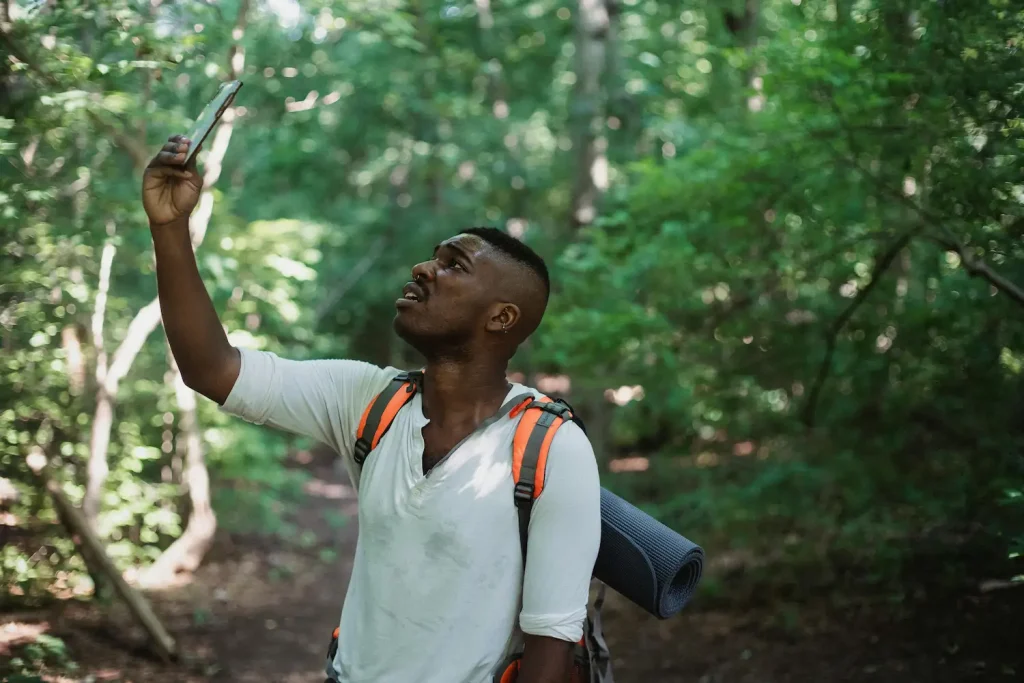
While exploring Cape Town’s majestic trails is incredibly rewarding, mountain safety should always be your top priority. The weather can change rapidly, and even experienced hikers can encounter unexpected challenges. Table Mountain is notorious for its rapidly changing weather conditions and in previous years was considered more dangerous than Mount Kilimanjaro and even Mount Everest.
Always check conditions before you depart, hike within your abilities, never hike alone, and carry adequate water, sun protection, warm layers, and a charged mobile phone.
Emergency Contact Numbers for Hikers
If you or someone in your party requires assistance in the mountains, use the following numbers. Save them in your phone before you start your hike.
Primary Emergency Contacts
- 112 – Universal Emergency Number (Cell Phones)
Dial this free number from any South African mobile network for all emergencies. It is the most reliable way to summon help if you have a signal. - 107 – City of Cape Town Emergency Services (Landlines)
Use this number if calling from a landline within the Cape Town area. - 10111 – South African Police Service (SAPS)
The police will coordinate with mountain rescue and other emergency services. Use this if other numbers do not connect.
Direct Mountain Rescue Contact
- 0861 106 417 – Table Mountain National Park Security & Emergency Line
This number connects you directly to the park’s security team, who are trained in mountain rescue and know the terrain intimately. This is often the most efficient way to reach the appropriate rescue services for incidents within the park.
Critical Steps in an Emergency
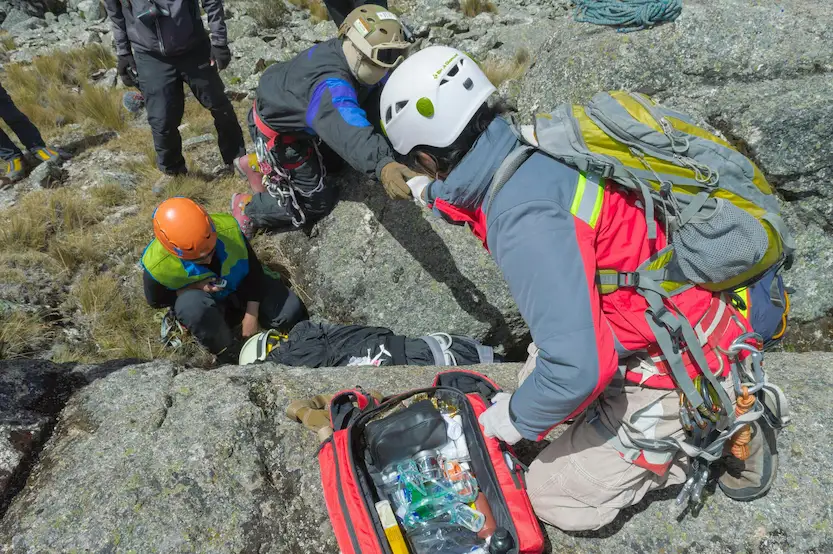
If you need to call for help, follow these steps to ensure rescuers can reach you as quickly as possible:
- Stay Calm & Assess: Ensure you and your group are in a safe position, away from immediate danger like cliff edges.
- Call the Right Number: Start with 0861 106 417 for direct park rescue. If that fails, try 112 or 1011.
- Provide CLEAR Location Details:
- State the name of the mountain, trail, or nearest landmark (e.g., “Platteklip Gorge,” “near the King’s Blockhouse,” “on the Skeleton Gorge trail between the waterfall and the contour path”).
- If you have a GPS device or phone map, provide coordinates.
- Note any distinctive features (a large rock, a specific tree, a stream crossing).
- Describe the Emergency:
- Clearly state the nature of the emergency (e.g., “a member of our group has a suspected broken ankle,” “we are lost and disoriented,” “there is a medical emergency”).
- Report the number of people in your party and their condition.
- Stay Put and Conserve Resources:
- Do not move the injured person unless they are in immediate danger.
- Keep your phone on and preserve battery. If signal is weak, send a detailed text message, as it may send when a call cannot connect.
- Use a whistle, mirror, or bright clothing to signal rescuers if you hear or see them.
Pre-Hike Preparation: Your Safety Checklist
Before you leave:
- Tell Someone: Always inform a reliable person of your planned route, your party, and your expected return time. Call them when you finish.
- Check the Weather: Mountain conditions change swiftly. Check forecasts for wind, cloud (the “tablecloth”), and temperature. Do not hike in high winds or poor visibility.
- Pack Essentials: Water (at least 2-3 litres per person), high-energy snacks, a warm layer/rain jacket, a fully charged phone, a power bank, a headlamp, a basic first-aid kit, a whistle, and a physical map or downloaded offline map.
- Use the “ICE” Contact: Store an “In Case of Emergency (ICE)” contact in your phone. Rescuers will check for this if you are unable to communicate.
On the trail:
- Stay on Marked Paths: Shortcuts cause erosion and increase your risk of getting lost or injured.
- Monitor Time: Start early to ensure you finish well before sunset. Calculate your turnaround time to avoid being caught in the dark.
- Respect the Environment: Take all litter with you. Do not feed wildlife.
Hiking in Cape Town’s mountains is an unforgettable experience. By preparing properly, respecting the environment, and knowing what to do in an emergency, you ensure your adventure is both safe and spectacular.
Cape Town Hiking Trails remind us that adventure isn’t just about reaching the summit, it’s about the journey itself, the people you meet, and the landscapes that stay with you long after your boots are off. Wherever you choose to walk, Cape Town will greet you with open skies and endless horizons.


