
According to the latest economic assessment of the city’s visitor economy, overseas travellers injected billions of rand into the local economy, helping sustain employment and strengthen Cape Town’s position as a leading global destination.
The positive momentum in the Mother City aligns with a broader national recovery.
South Africa’s international tourism sector achieved full recovery in 2025 from its pandemic drop, with total arrivals across the country reaching 10.5 million.
This represents an increase of more than 17 per cent over the previous year and sits nearly three per cent higher than 2019 figures.
International Visitors Drive Record Economic Growth
Cape Town enjoyed one of its strongest years on record for international tourism in 2025.
The city welcomed approximately 1.44 million overnight international visitors, who stayed longer and spent considerably more than in previous years.
Foreign travellers generated around R19 billion in direct tourism spending, making international tourism the dominant contributor to the city’s visitor economy.
The report estimates that tourism generated approximately R24.5 billion in direct economic spending during the year while supporting more than 106,000 jobs across accommodation, restaurants, attractions, transport, and related services.
Improved international air connectivity also played an important role in the sector’s success.
Passenger traffic through Cape Town International Airport continued to increase, supported by expanded flight routes and stronger demand from key overseas markets.
Visitors from traditional source countries—including the United Kingdom, the United States, Germany, the Netherlands, and France—continued to account for a significant share of arrivals.
Navigating Visitor Safety and the Travel Experience
While visitor numbers flourished, safety concerns remain the most frequently cited reason in the tourist board’s annual tourist satisfaction survey regarding why visitors may feel unsatisfied.
Industry experts emphasize that understanding local dynamics and accessing reliable information is key to a successful trip.
David Vorster, Africa’s regional security manager at International SOS, noted that travel in South Africa can be conducted safely as long as tourists are well-informed and appropriately supported throughout their journeys, adding that the vast majority of the millions of travellers who visit the country each year do so without incident.
Local guides point out that serious crime statistics are frequently concentrated in specific areas that sit well outside typical tourism hubs.
Dominic Chadbon, a licensed tour operator known as “The Fynbos Guy,” explained that areas with a heavy tourist footprint maintain an extensive security presence.
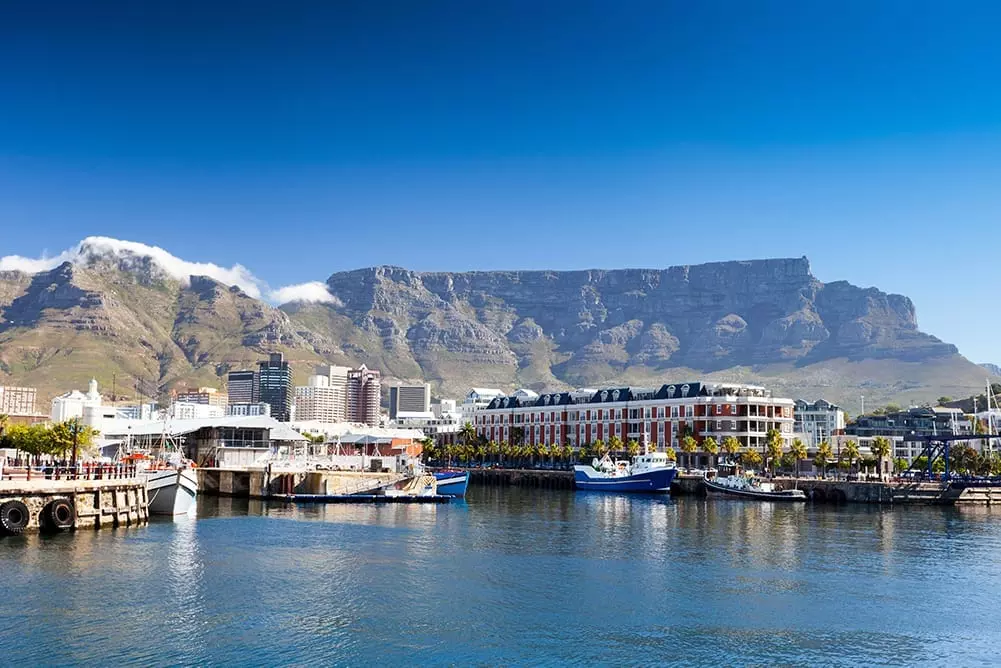
Destinations such as Cape Town’s V&A Waterfront, the Boulders Beach penguin colony, and the surrounding winelands feature substantial dedicated security infrastructure.
JD van Zyl, co-founder of the boutique travel company The Travel Cafe, shared foundational advice for any international visitor planning a trip:
“Be aware, but not afraid.”
Professionals recommend standard global travel precautions, such as maintaining awareness of your surroundings, avoiding walking alone at night in unfamiliar urban areas, using reputable transport providers, and relying on local travel companies for area-specific advice and routing.

Domestic Tourism Faces Economic Headwinds
While international tourism flourished, the domestic travel market presented a different picture.
Although many South Africans continued travelling within the country, rising inflation, higher transport costs, increased accommodation prices, and broader economic uncertainty reduced overall domestic tourism spending.
Local travellers are spending less and shortening their trips as higher living costs continue to strain household budgets.
Recognising the slowdown in local travel, Cape Town is introducing initiatives aimed at making tourism more accessible for South African visitors.
Tourism authorities are encouraging affordable travel packages, discounted seasonal offers, and locally focused promotional campaigns designed to stimulate domestic demand.
Partnerships with accommodation providers, attractions, and travel businesses are expected to create more value-driven experiences for residents and regional visitors.
Industry leaders believe that strengthening domestic tourism will provide greater resilience against global economic uncertainty and future international travel disruptions, ensuring stable tourism activity throughout the year.
Looking Ahead to 2030
Cape Town’s long-term tourism strategy extends well beyond the strong performance recorded in 2025.
City officials aim to increase visitor spending, diversify tourism offerings, and promote more inclusive economic participation by 2030.
Sustainability, improved infrastructure, digital innovation, and expanding international air connectivity remain major priorities for the city.