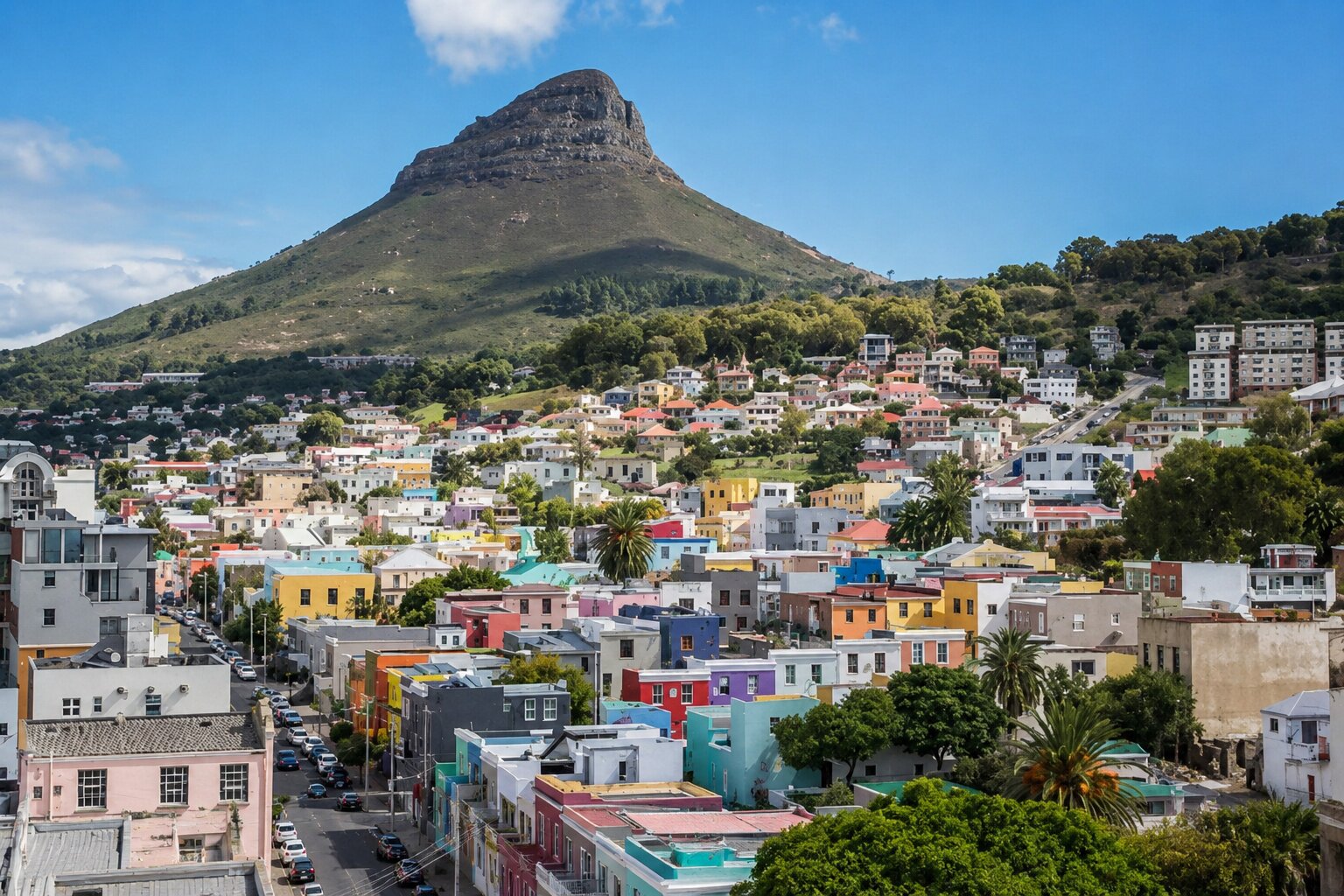

Tipping in South Africa is a customary practice deeply ingrained in the service industry, where many workers rely on gratuities to supplement low base wages. Unlike some countries where tipping is optional or minimal, South Africans generally expect tips starting at 10% for satisfactory service, rising to 15-20% for exceptional experiences. This culture is prominent in urban areas like Cape Town, Johannesburg, and tourist hotspots, but is less emphasized in rural regions. Cash in South African Rand (ZAR) is king, as many providers lack card facilities, and tips given directly ensure they reach the recipient promptly.
Always check bills for included service charges, common in restaurants for large groups (10-15%). Tipping is discretionary, reward good service but withhold or reduce for poor performance, providing feedback to management instead. Carry small notes or coins (R5, R10, R20) for other services like car guards or petrol attendants. In 2026, with inflation, amounts remain stable but adjust for service quality. This guide covers key scenarios to help visitors navigate confidently, enhancing interactions and supporting local workers.
Tipping in Restaurants and Cafés


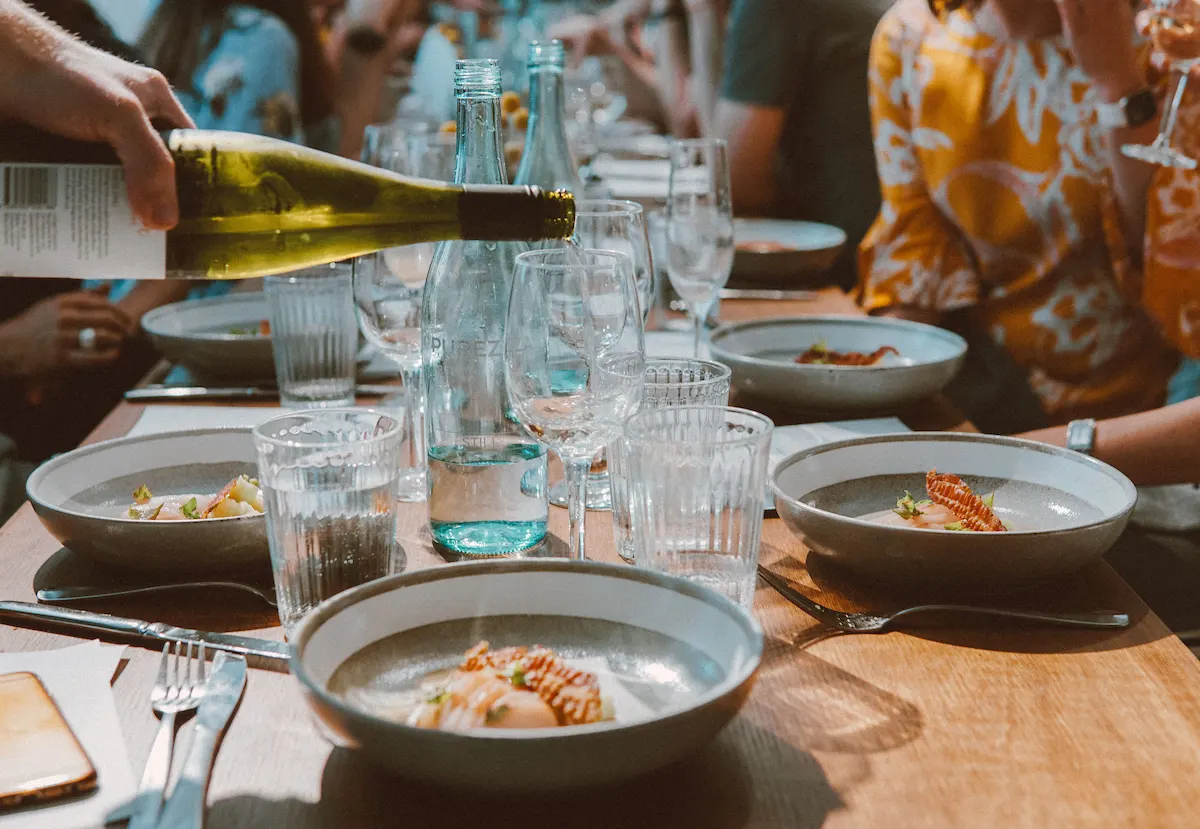
Restaurants and cafés form the core of South Africa’s tipping culture, where waitstaff often earn minimum wage and depend on tips. The standard is 10-15% of the total bill (excluding VAT and service charges) for good service; aim for 15-20% if outstanding. Always scrutinize the bill at upscale venues or when part of a large party (8+). Management often auto-add 10-12.5% gratuity; no extra needed unless service exceeds expectations. For buffets, tip R10-50 per person for plate-clearing or drink service.
Fast-casual or counter-service rarely requires tips, but rounding up shows appreciation. Bars follow suit: R5-10 per drink or 10-15% for table service/cocktails. Penalize bad service (rude, slow) by tipping less than 10%, but address issues with the manager first don’t blame staff for kitchen errors. Cash is preferred for immediate payout; card tips may be delayed. Sommeliers warrant separate tips for expert advice. In tourist areas, this sustains livelihoods amid economic pressures.
Tipping for Accommodation and Hotel Services
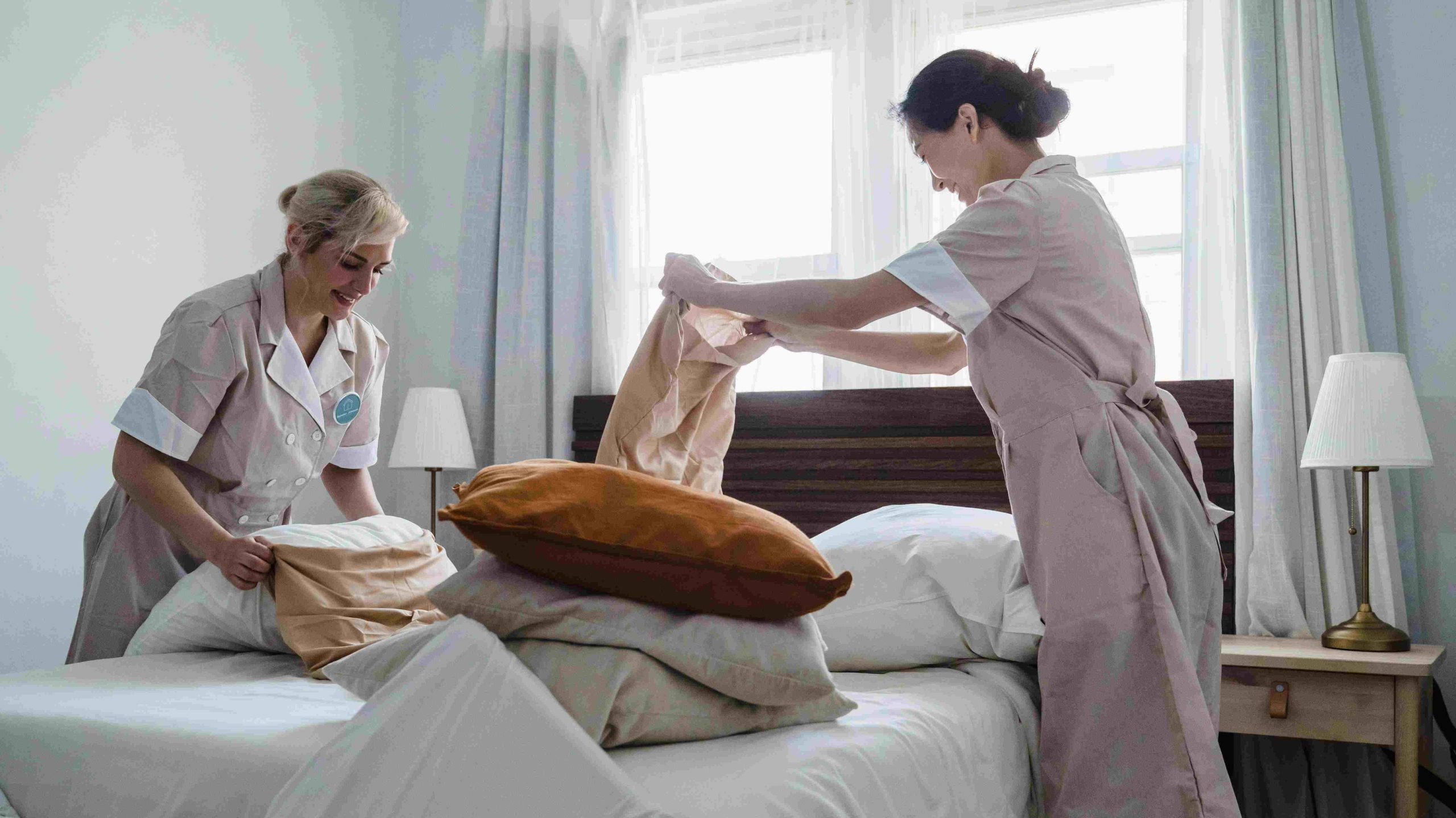
Hotels, lodges, and guesthouses expect tips for personalized services. Porters receive R10-20 per bag upon arrival/departure. Housekeeping gets R20-50 daily, left in the room or an envelope labelled “Housekeeping” at checkout. Concierge tips (R50-100) reward bookings or advice. In safari lodges, pooled tips for kitchen/cleaning staff run R50-200 per guest per stay via reception boxes; personalize for standouts. Doormen match porter rates if hailing taxis. Exceptional service, like turndown amenities, merits 15%+ equivalents.
Cash ensures direct benefit; many lack card access and Urban hotels like in Cape Town see higher volumes, rural lodges emphasise communal pots. Avoid over-tipping to prevent disappointment. Always tip discreetly, hand-to-hand or in boxes. This practice acknowledges efforts in hospitality, a key economic driver.
Tipping for Transportation and Parking Services
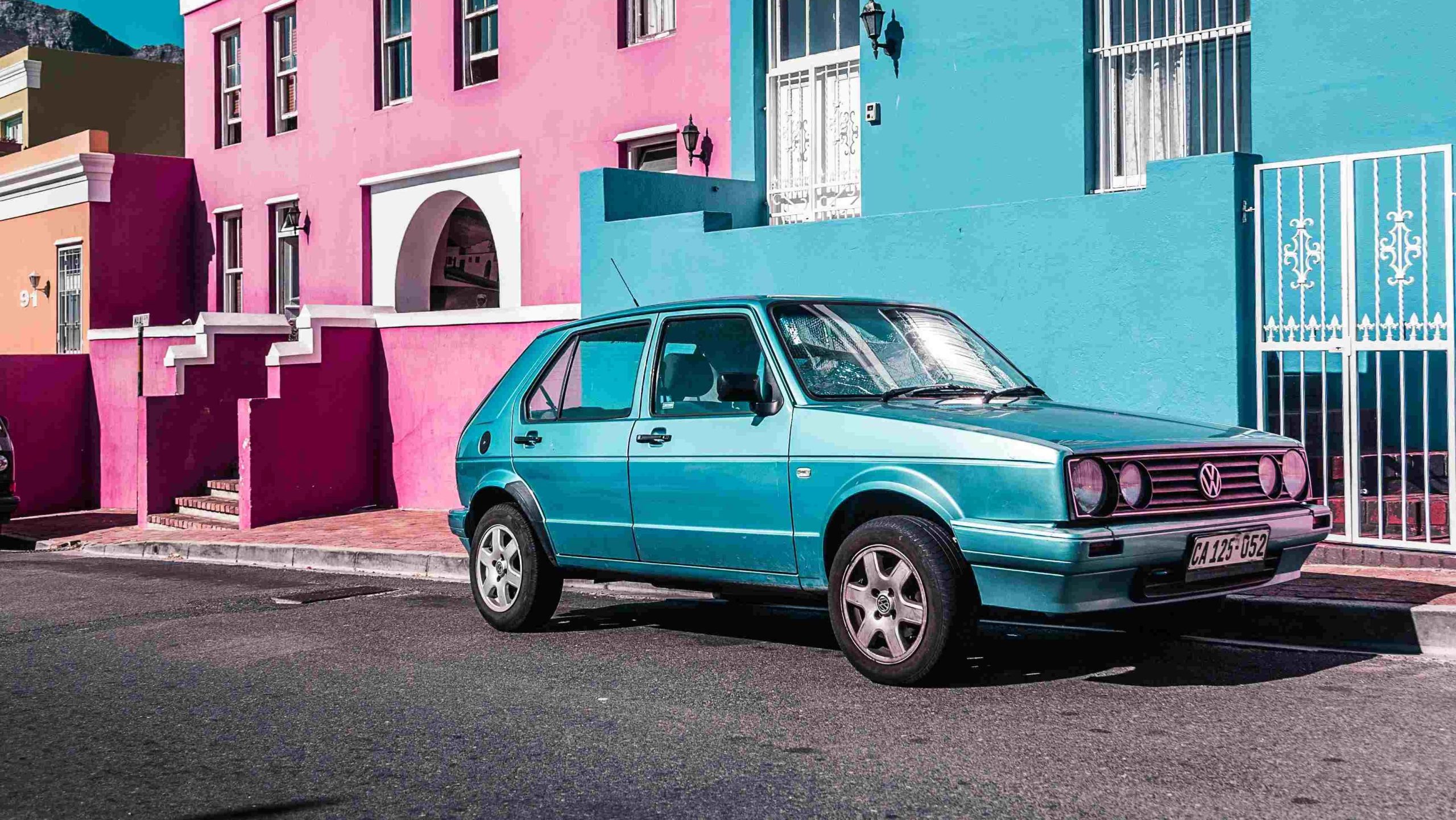
Transportation tipping is routine for hands-on assistance. Petrol attendants (full-service stations) get R5-20 for fueling, window cleaning, oil/tire checks R5 minimum, more for thoroughness. Car guards (informal watchers in vests) receive R5-10 if helpful/no incidents, skip paid lots or official city attendants. Taxi/minibus: no tip. Metered cabs/Uber/Bolt: round up or 10-15% (R10-50), higher for luggage/help. Airport porters: R20-50/bag.
Private drivers/chauffeurs: R50-200/day. Apps allow in-app tips. Cash preferred; verify legitimacy to avoid scams. In cities, these micro-tips accumulate daily (R100+ routine). Rural rides less common. Tip based on courtesy/safety.
Tipping for Tours, Safaris, and Other Services


Tours and spas round out etiquette. Tour guides: 10% or R50-100/day/person. Safari guides: R100-200/day/person; trackers R50-100. Pooled for lodge teams. Spas/beauty: 10-15% or R50-100. Hairdressers same. Golf caddies: R200-300. Delivery: 10-15%. Restroom attendants: R5 to R10. Not compulsory for minor services. Cash is the most direct way to show your appreciation for exceptional knowledge/effort.
Comparing Tipping Customs: South Africa vs. Europe vs. the USA

Tipping practices differ significantly across South Africa, Europe, and the USA, reflecting wage structures and cultural norms. In South Africa, a 10% gratuity is standard for restaurants and services like taxis or tours, especially in tourist areas, as service workers rely heavily on tips to supplement low base pay. Cash is preferred for immediate distribution.
The USA mandates higher expectations: 15-20% (often 18-22%) for sit-down dining, bartenders ($1-2/drink or 20%), and rideshares, due to servers earning minimum wage plus tips. It’s ingrained, with social pressure via bill prompts.
Europe contrasts sharply: tipping is minimal (5-10% or rounding up), optional if service charges (often 10-15%) are included, as workers receive livable wages. Country variations exist. Germany rounds up, France rarely tips but over-tipping embarrasses locals.
South Africa’s culture aligns closer to the USA’s tip-dependency than Europe’s service-included model, but at lower rates (10% vs. 20%). Travellers from the USA may overtip in SA/Europe; Europeans undertip in SA/USA. Always check bills and tip accordingly.
Mastering South African tipping, 10-15% baseline, cash-focused, fosters positive experiences and supports workers. Key things to remember: check bills, carry small ZAR, tip service-based. Exceptions: no tips for poor performance, included charges, or self-service. And always remember it’s up to you how much and when to tip, so if that waiter has gone out of their way to give you an amazing experience, make sure to show your appreciation with a fair amount of 10 to 20% of the bill.
Love learning about new places and interesting events?
Our newsletter shares the best restaurants, experiences and hidden gems in Cape Town every week.
👉 Join the CapeTourism newsletter.