The thought of stepping onto an aircraft knowing you won’t see another airport for almost an entire day sounds unimaginable to some travellers. For others, it’s becoming the future of international business travel.
As airlines continue to push the limits of long-distance flying, the question is no longer whether technology can make it happen—it’s whether passengers, particularly business travellers, are ready for journeys lasting more than 20 hours.
From October 2027, that future becomes a reality.
A new era of ultra-long-haul travel
Qantas will launch the world’s longest scheduled commercial flight, connecting Sydney directly with both London and New York without a stopover.
The ambitious project, known as Project Sunrise, has been in development for a decade. When the first specially designed aircraft departs Sydney, passengers will remain airborne for approximately 22 hours, setting a new benchmark for commercial aviation.
It’s an engineering milestone that reflects how airlines are responding to growing demand for direct international connections, even across the world’s greatest distances.
South Africans already know long flights
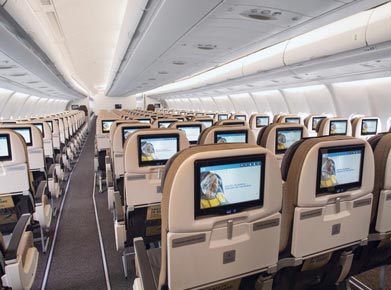
Although a 22-hour journey sounds extraordinary, South African travellers are no strangers to spending long hours in the air.
Non-stop services from Johannesburg to Atlanta already stretch beyond 16 hours, while flights from Johannesburg and Cape Town to Newark take around 15-and-a-half hours.
These routes regularly carry business executives, government officials and corporate travellers who often head straight into meetings shortly after landing.
The difference is that Project Sunrise takes endurance to an entirely new level.
Airlines are redesigning the flying experience
Rather than simply adding more fuel, Qantas has approached the challenge by rethinking how passengers experience extremely long flights.
The airline’s specially configured Airbus A350-1000 Ultra Long Range aircraft will carry just 238 passengers—far fewer than a standard version of the aircraft—to create additional space throughout the cabin.
Researchers from the University of Sydney’s Charles Perkins Centre contributed to the design, studying how lighting, sleep patterns and nutrition affect passengers during extended flights.
Among the new features is a dedicated Wellbeing Zone where travellers can stretch, move around and reduce the physical strain of remaining seated for long periods. The aircraft also uses customised lighting sequences designed to help passengers gradually adjust their body clocks while flying across multiple time zones.
Singapore Airlines, which currently operates one of the world’s longest non-stop services between Singapore and New York, has taken a similarly passenger-focused approach. Its ultra-long-range aircraft eliminates economy seating altogether, offering only Business Class and Premium Economy cabins.
The message from airlines is becoming clear: ultra-long-haul flying demands a different approach.
Why companies may need to rethink travel policies
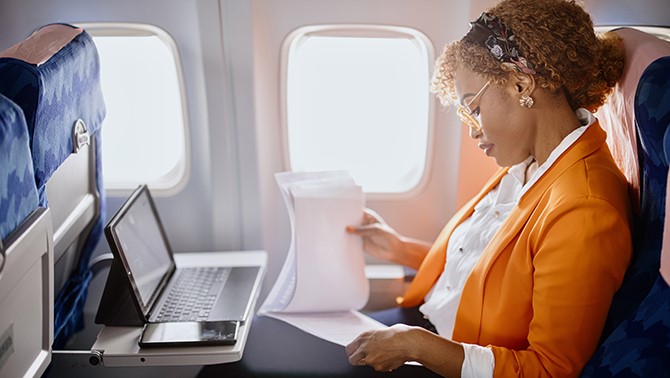
For employers sending staff across continents, booking the cheapest available seat may no longer be the smartest option.
Corporate travel specialists argue that journeys exceeding 12 hours require travel policies that prioritise both employee wellbeing and productivity.
Recommended measures include:
- Lie-flat business class seats on flights above a set duration.
- Airport lounge access before departure and after arrival.
- A recovery day before important meetings.
- Rest days after returning home.
- Early hotel check-in when arriving after overnight flights.
- Safe airport transfers instead of expecting travellers to drive after long journeys.
- Health assessments for frequent long-haul flyers to reduce risks such as deep vein thrombosis (DVT).
- Coverage for practical extras like in-flight Wi-Fi and extra-legroom seating.
The goal isn’t luxury. It’s ensuring travellers arrive rested enough to work safely and effectively.
A smaller world with longer flights
Ultra-long-haul services are steadily shrinking the map for international business.
Removing stopovers reduces total travel time, lowers the chance of missed connections and allows travellers to reach global destinations more efficiently. For South African businesses with international clients, this could reshape how future travel is planned.
As airlines continue investing in longer non-stop routes, more destinations may eventually become accessible with fewer connections.
What this means for South African travellers
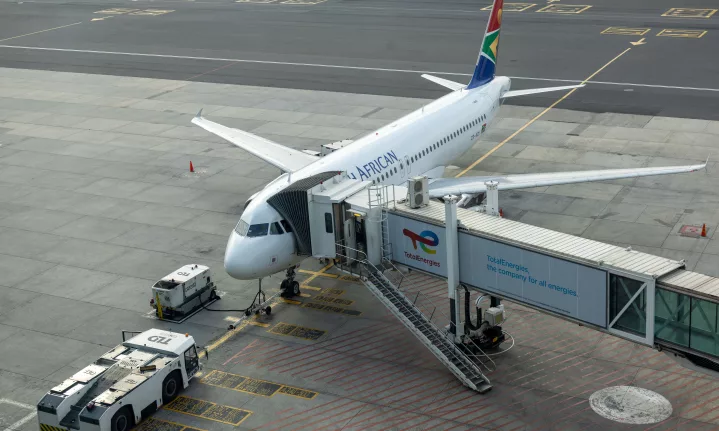
South Africans have long adapted to lengthy international journeys because of the country’s geographical location.
Whether travelling to North America, Europe, Asia or Australia, spending half a day—or more—in the air has become part of the experience.
Project Sunrise simply takes that reality one step further. It also highlights a broader shift within global aviation: airlines are increasingly recognising that passenger comfort, health and recovery matter just as much as the aircraft’s range.
The future of business travel is changing
The world’s longest commercial flight is about more than setting a record. It reflects how aviation continues to evolve to meet the demands of a more connected global economy.
For South African business travellers already familiar with marathon flights, the arrival of 22-hour non-stop journeys offers a glimpse into what international travel may soon become. The destinations may feel closer than ever—but making those journeys comfortable, productive and sustainable will be just as important as reaching them.