The rhythmic sound of trains pulling into stations has long been part of South Africa’s story. From bustling commuter routes in major cities to scenic railway journeys that reveal some of the country’s most beautiful landscapes, rail has shaped the way people travel for generations.
Now, that story is entering a new chapter. South Africa is preparing to build hundreds of modern passenger trains on home soil, a move that could reshape public transport while strengthening the country’s position as a rail manufacturing leader on the African continent.
A major investment in South Africa’s rail future
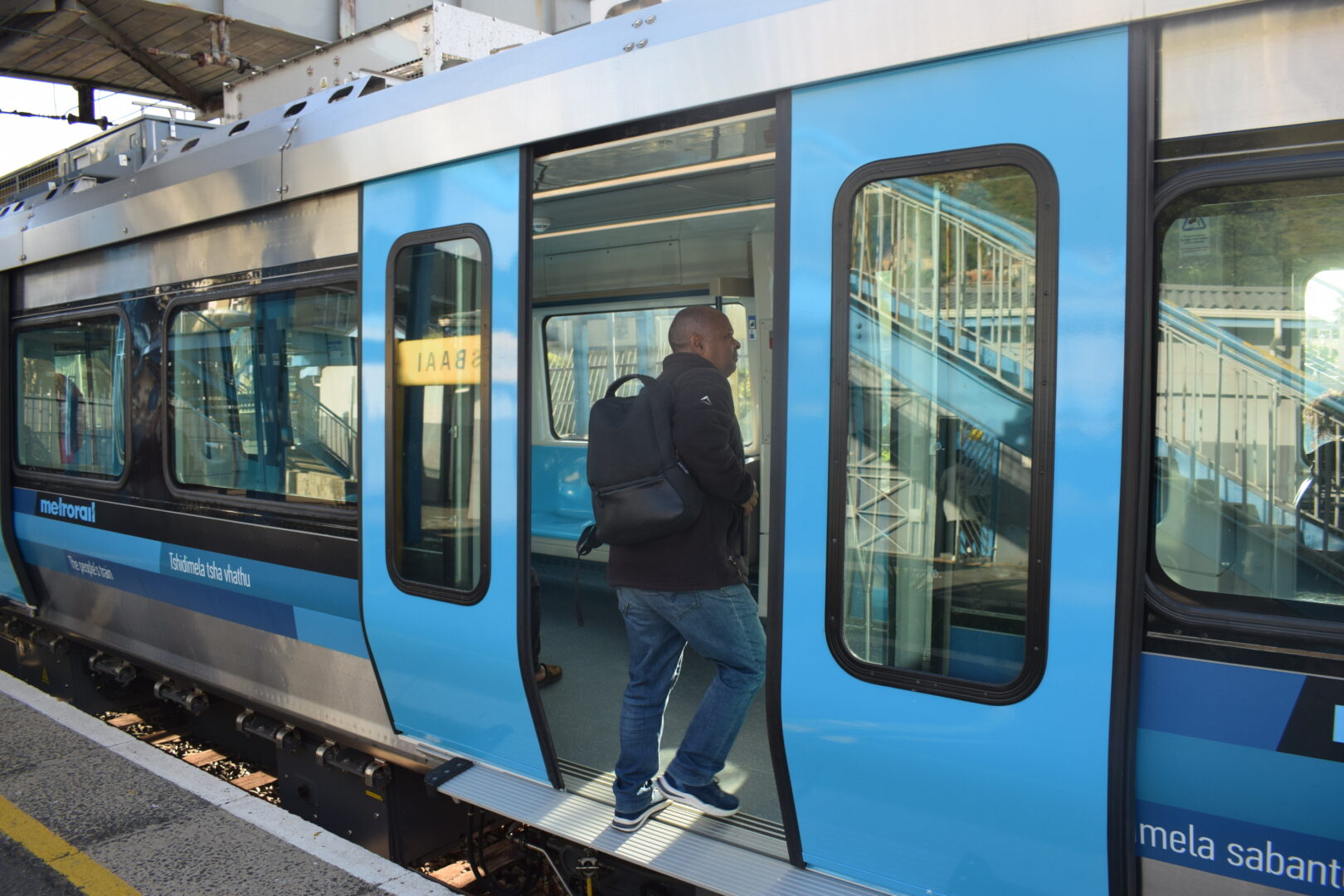
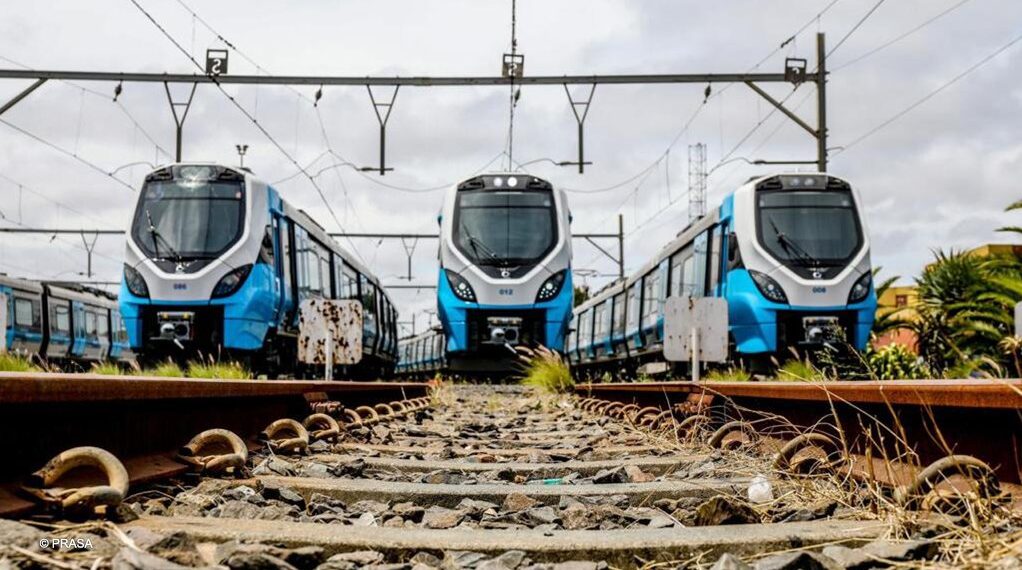
The Passenger Rail Agency of South Africa (PRASA) has appointed the Gibela Rail Transport Consortium to manufacture 600 new passenger trains as part of its long-term rail modernisation programme.
Beyond introducing new rolling stock, the agreement includes a significant milestone for the country’s transport sector. Once the current manufacturing contract concludes, ownership of the train production facility will transfer to PRASA, giving the agency the ability to continue building passenger trains locally.
According to PRASA CEO Hishaam Emeran, the long-term vision extends far beyond replacing ageing fleets. It is about creating a sustainable manufacturing industry capable of serving both South Africa and neighbouring countries.
Built in South Africa, for South Africa
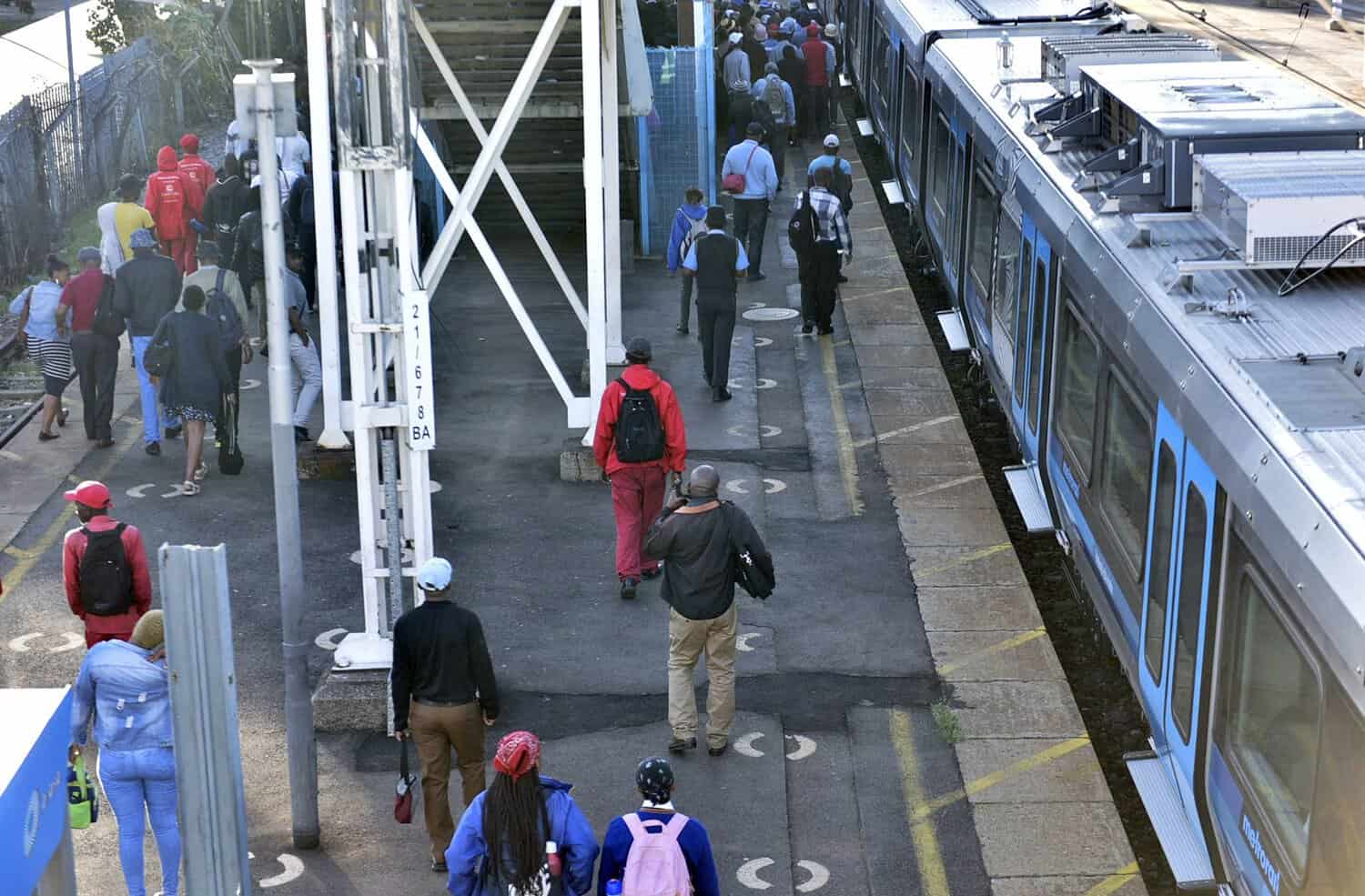
One of the standout features of the programme is its emphasis on local production.
Rather than relying heavily on imported components, the new passenger trains are being manufactured with locally sourced materials wherever possible. This approach supports South African industries, creates skilled jobs and develops expertise that can continue long after the initial fleet has been completed.
The project also aligns with broader efforts to strengthen local manufacturing while reducing dependence on overseas suppliers.
South Africa chosen as Africa’s rail manufacturing hub
South Africa’s ambitions stretch beyond its own borders.
The African Union has identified the country as the continent’s rolling stock manufacturing hub, recognising its growing capability to build trains for African rail networks.
For travellers and the tourism industry, this could eventually mean stronger rail connections between neighbouring countries, making regional travel more accessible while supporting trade, business and economic development across Southern Africa.
Rail revival gathers momentum across the continent
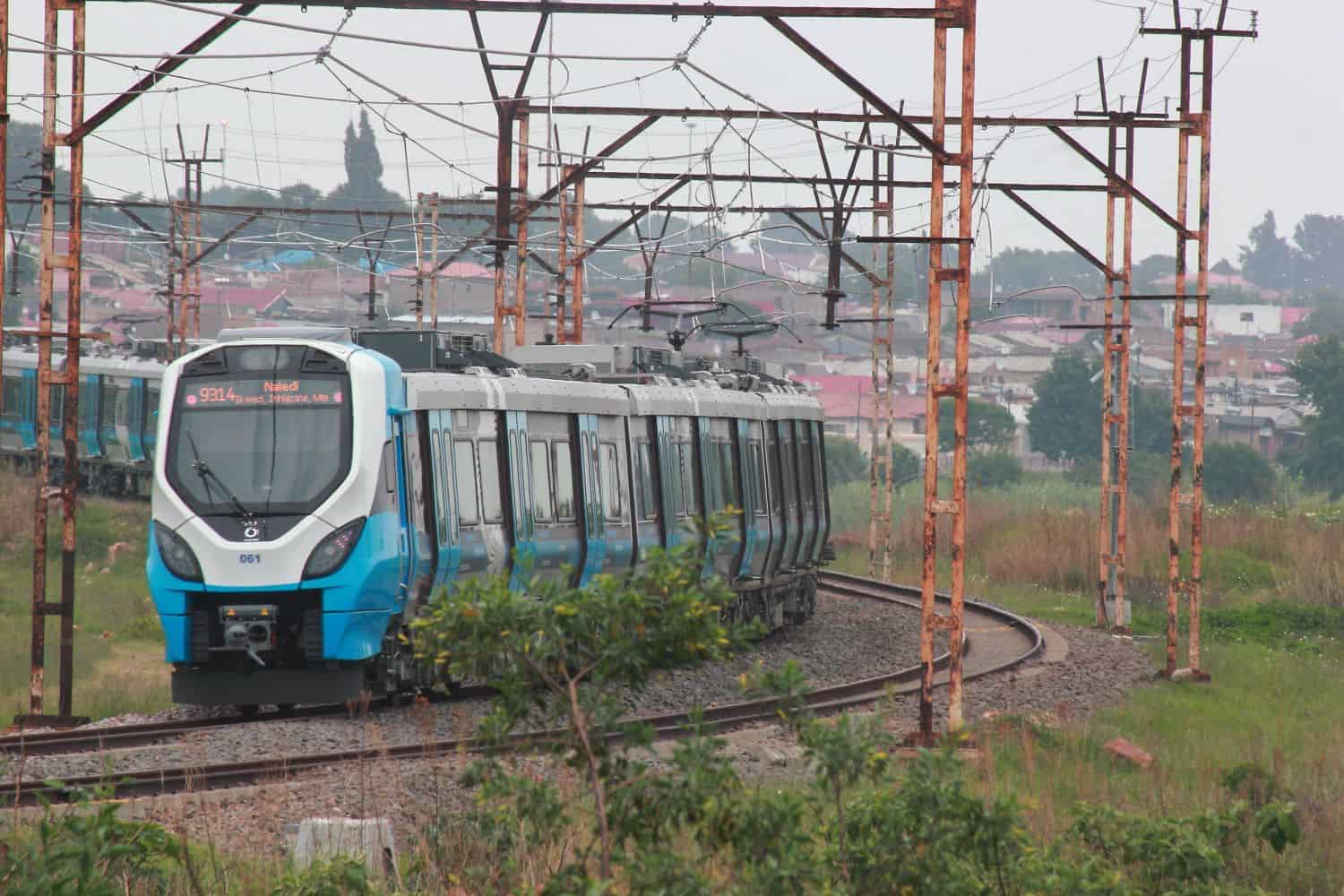
Passenger rail is experiencing renewed attention throughout Africa as governments invest in modern transport infrastructure.
Countries including Tanzania have introduced standard-gauge railway projects aimed at improving mobility between cities and supporting economic growth. Similar developments are taking shape across North Africa, reflecting a broader recognition that reliable rail systems remain essential to growing populations and expanding economies.
PRASA says discussions are already underway with partners across the Southern African Development Community (SADC) about future opportunities for collaboration.
Existing trains could also find new life
While attention is focused on manufacturing new trains, PRASA believes its current fleet can continue contributing to regional transport.
The agency confirmed that surplus trains still have operational value and could be deployed in other African countries where passenger rail services require additional capacity.
These discussions remain at an early stage, but they form part of a wider vision to improve rail connectivity across the continent.
More than manufacturing
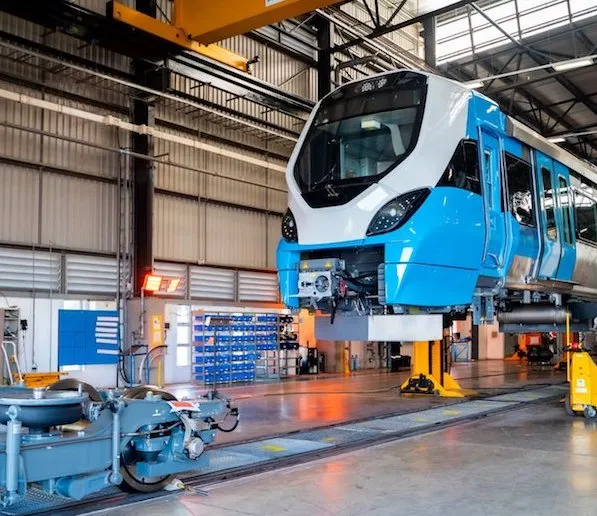
Building trains is only one part of the plan.
PRASA says additional work is still required to establish the structures needed to support long-term operations, maintenance and future expansion. The agency has also welcomed strong private-sector interest following the Department of Transport’s 2025 request for information on rolling stock provision, leasing models and rail partnerships.
According to Emeran, interest has been expressed across all five proposed rail projects currently under consideration.
Connecting Africa through rail
One of the most ambitious long-term goals is improving rail links between African countries.
The African Union’s Agenda 2063 includes plans for a high-speed railway network connecting major cities across the continent. While that vision remains years away, ongoing conversations around cross-border rail connectivity suggest momentum is building.
For tourism, improved rail networks could eventually create new travel experiences, making multi-country journeys easier while opening lesser-known destinations to visitors.
Why this matters for travellers
Reliable passenger rail benefits more than daily commuters.
Modern train services can ease pressure on roads, improve access between cities, support domestic tourism and create more sustainable transport options for visitors exploring South Africa.
Scenic rail journeys have always been part of the country’s tourism appeal, and continued investment in rail infrastructure has the potential to strengthen that offering while improving mobility for local communities.
A journey that goes beyond the tracks
South Africa’s plan to manufacture 600 new passenger trains represents more than an infrastructure project. It reflects growing confidence in local engineering, regional cooperation and the future of rail across Africa.
While there is still significant work ahead before the full vision becomes reality, the foundations are being laid for a transport network that could benefit commuters, businesses, tourists and neighbouring countries alike. If successful, today’s investment could help keep South Africa at the centre of Africa’s rail revival for decades to come
Source:https://topauto.co.za