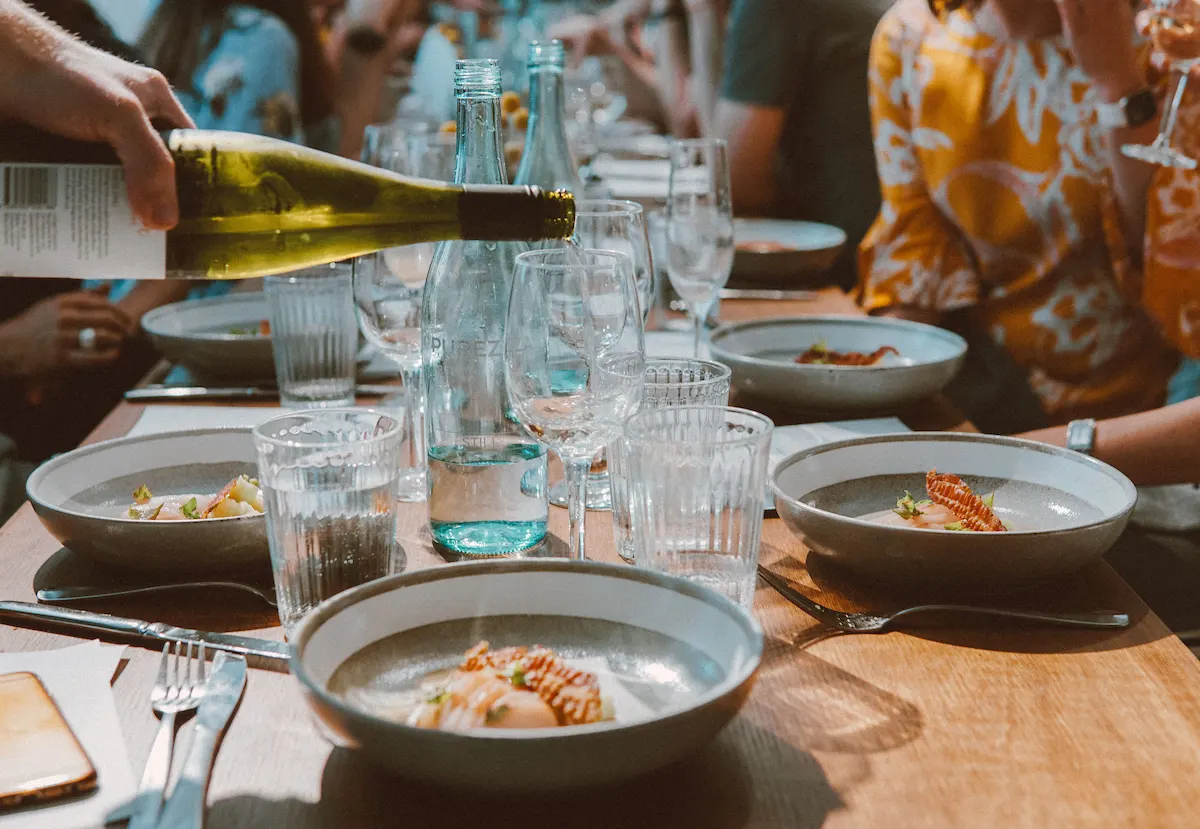
A QR code sits beside the plate. A diner lifts their phone and scans it. Seconds later, the face of the fisherman who caught their dinner appears on screen.
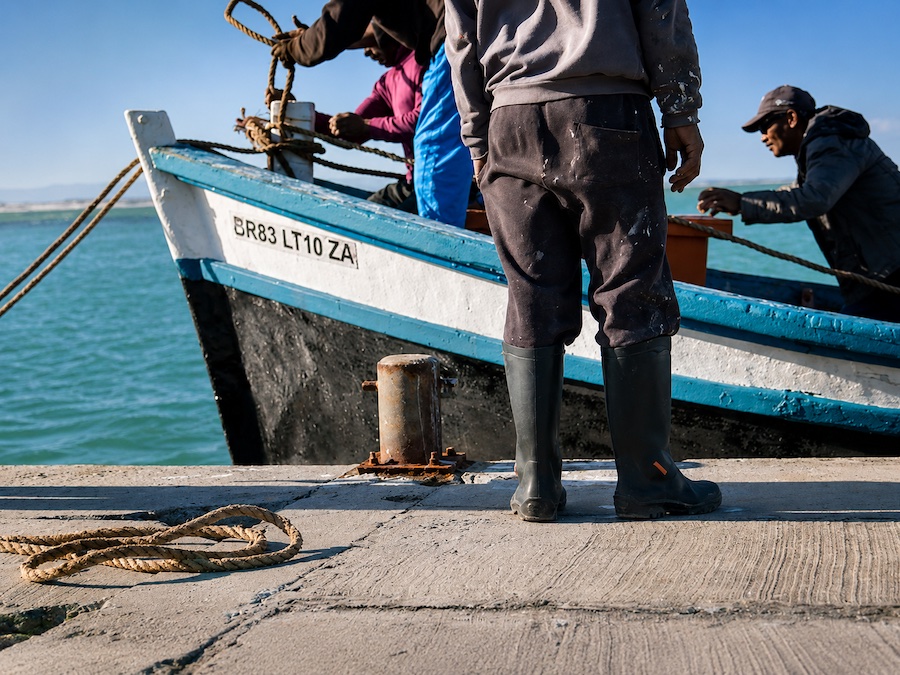
In Cape Town, this experience is becoming increasingly common. Through ABALOBI Fish with A Story programme, a handful of restaurants are serving more than exceptional seafood. They’re creating a direct connection between diners and the small-scale fishers who bring local line-caught fish ashore each day.
As travellers increasingly seek meaningful food experiences, wanting to know where their ingredients come from, sustainable seafood Cape Town experiences are gaining momentum. From live-fire cooking and vineyard dining to immersive tasting menus inspired by South Africa’s biodiversity, these kitchens are embracing traceability, seasonality, and the stories behind each catch. In doing so, they’re helping to redefine what traceable seafood Cape Town can look like, thoughtful, transparent, and deeply connected to the people and places behind every plate.
More Than Sustainable Seafood
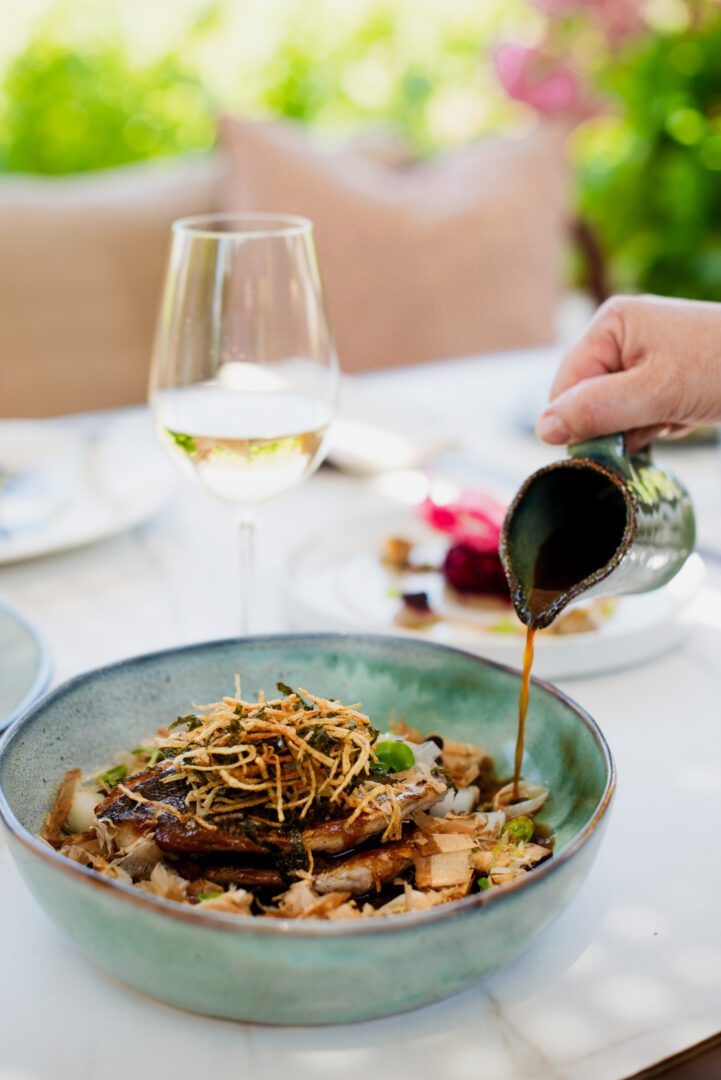
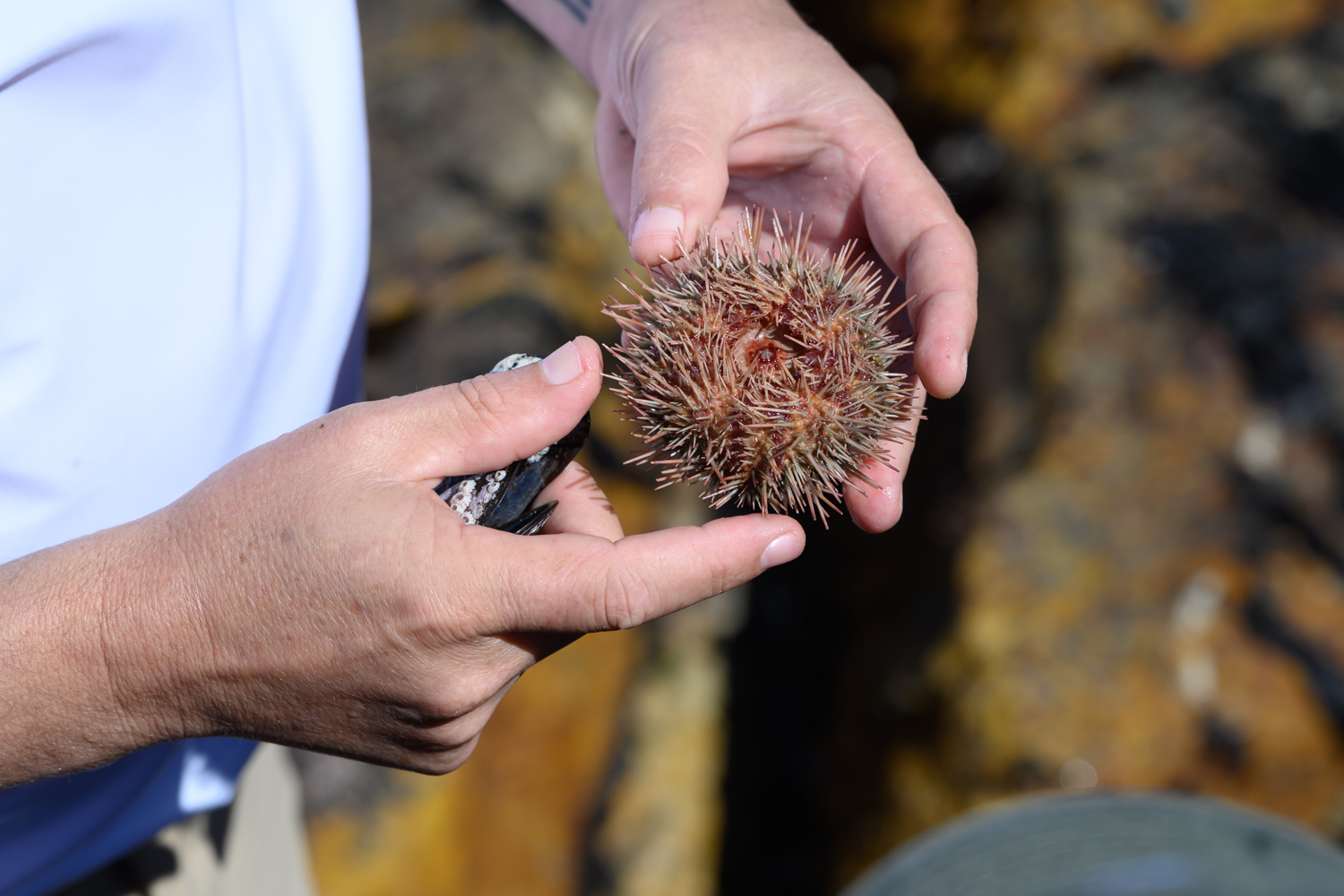
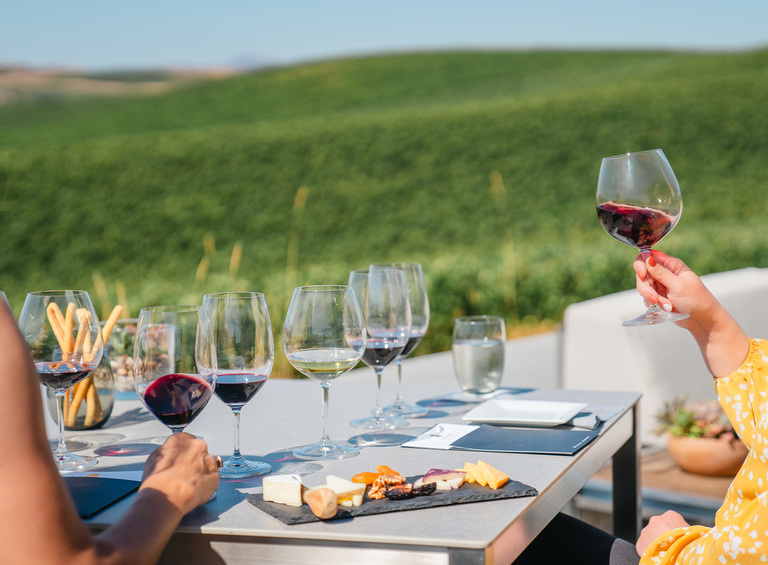
At first glance, these restaurants could not be more different. One cooks almost entirely on fire. Another overlooks vineyards in the Constantia Valley. One takes diners on a journey through South Africa’s nine biomes, while another quietly changes its menu according to what the fishing boats bring in.
And yet, they share a common philosophy.
For these kitchens, sustainability is not a certification on a wall or a marketing phrase on a menu. It’s a series of daily decisions: buying local fish even when imported options are cheaper, adapting menus to seasonal availability, paying fair prices to small-scale fishers, and using ingredients thoughtfully to reduce waste.
Increasingly, the most sustainable restaurants Cape Town has to offer are those willing to work with nature rather than against it. Through ABALOBI’s marketplace, chefs know exactly where their seafood comes from and who caught it. Diners, in turn, are invited into that story. A simple QR code can reveal the fisher’s name, the catch location, and the journey from ocean to plate.
This commitment to transparency is helping to shape a new era of sustainable dining in Cape Town, where exceptional meals are built around responsible seafood Cape Town diners can trust. At the same time, these restaurants are demonstrating how hospitality can support local economies, becoming some of the leading restaurants supporting local fishers in Cape Town.
The result is a different kind of dining experience ,one that proves thoughtful sourcing and exceptional food belong on the same plate.
Blondie: The Beauty of Doing Less
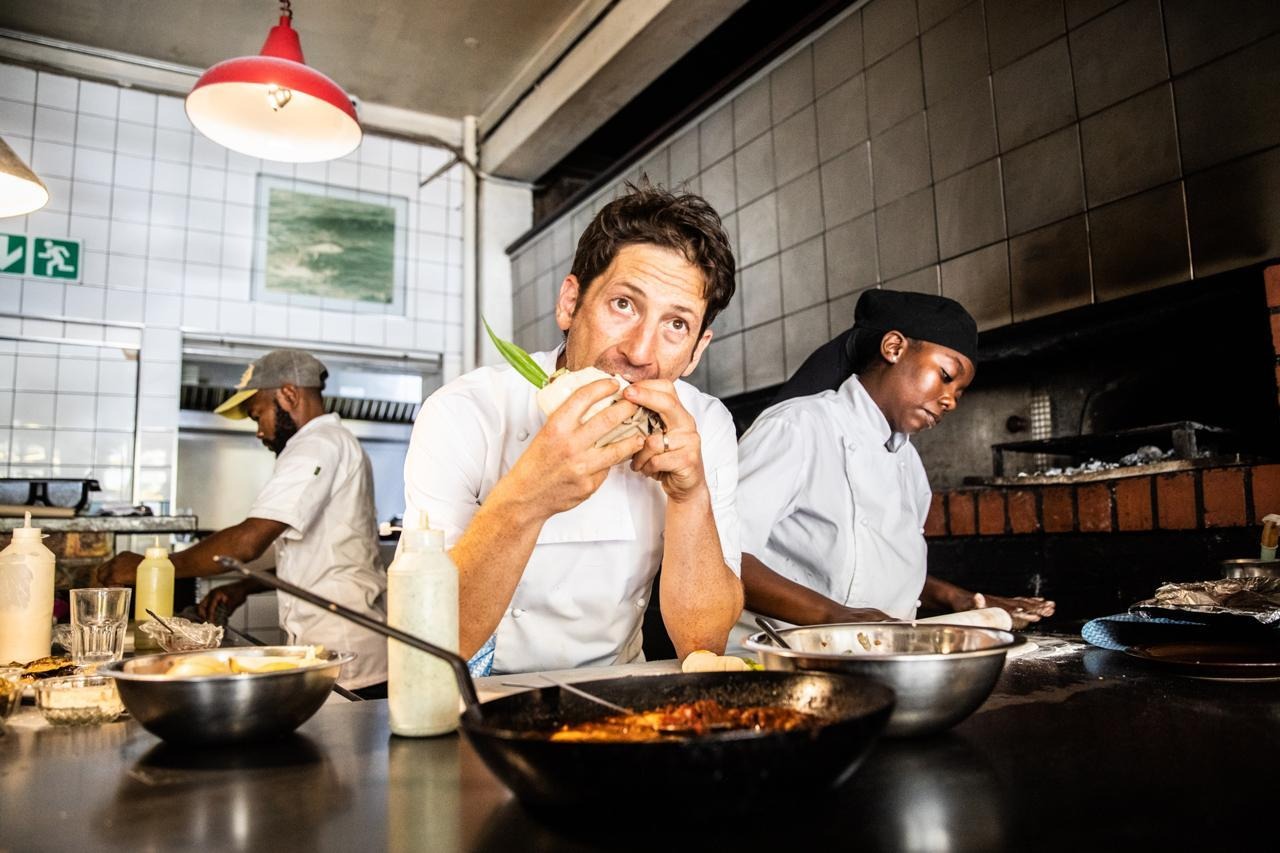
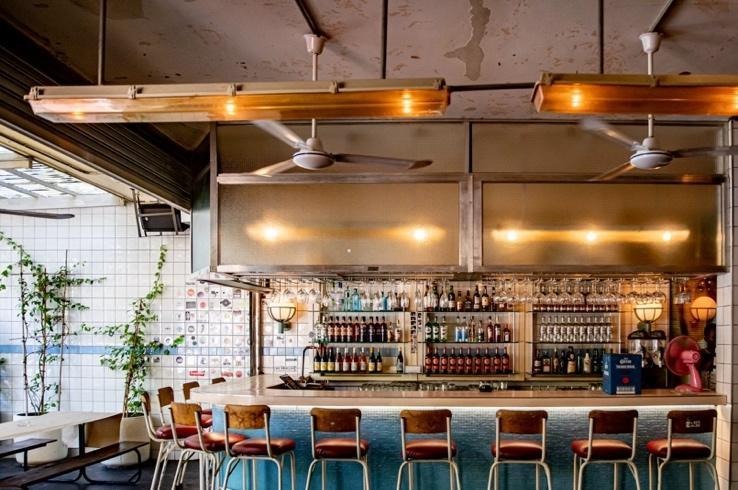
At Blondie, almost everything passes through fire.
This restaurant has an intentionally uncomplicated approach to dining, where simple food and drinks are prepared with precision and little fuss. Yet behind that apparent simplicity lies a thoughtful philosophy and how ingredients are sourced, prepared, and ultimately enjoyed.
Everything is cooked over a live-fire oven. Beyond the distinctive caramelisation it brings to the food, this approach naturally reduces reliance on electricity, gas, and oil. The same uncomplicated thinking guides the menu. Many dishes are built around just two or three elements, allowing ingredients to speak for themselves.
That approach also shapes how ingredients are used. Fish sourced though ABALOBI is often served whole, ensuring very little goes to waste. The same thinking applies to vegetables. Whole aubergines, sweet potatoes, beetroot, and fennel are cooked and served with minimal trimming, making full use of each ingredient that enters the kitchen.
For chef Maor Harris, sustainability is less a carefully planned strategy and more the natural result of good kitchen practices.
“We’re not chasing certifications, we’re chasing zero waste at the pass and integrity in where the food comes from.”
That commitment extends beyond seafood. The restaurant sources local, free-range meat, uses olive oil produced in Stellenbosch, and works with suppliers who collect and reuse their containers and packaging.
For travellers seeking sustainable dining in Cape Town experiences, Blondie’s approach offers something refreshingly uncomplicated. Sustainability is not announced or turned into a talking point. It simply arrives on the plate, in the form of carefully sourced ingredients, thoughtful cooking, and dishes that prove one thing done properly can often be more memorable than many things done at once.
Opening Times: Tuesday to Saturday, 12 pm to 12 am. Sunday, 12 pm to 10 pm.
Address: 69 Kloof St, Gardens, Cape Town, 8001, South Africa
Website: https://www.blondie.bar/
Contact: +27 72 169 8671
Steenberg: Two Restaurants, One Philosophy of Stewardship
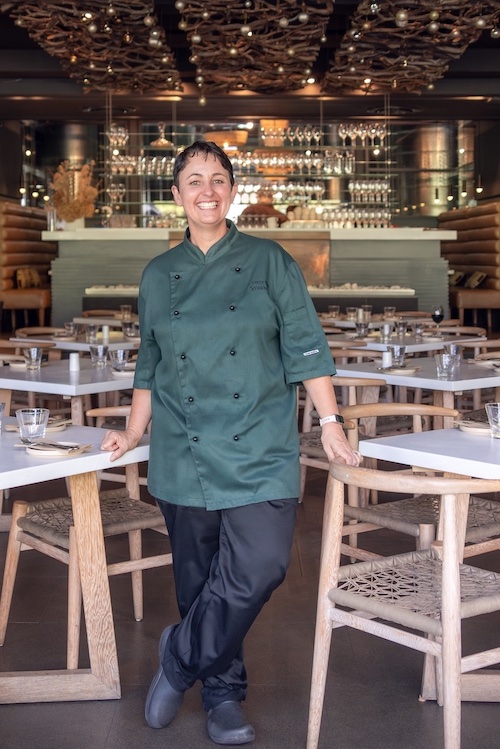
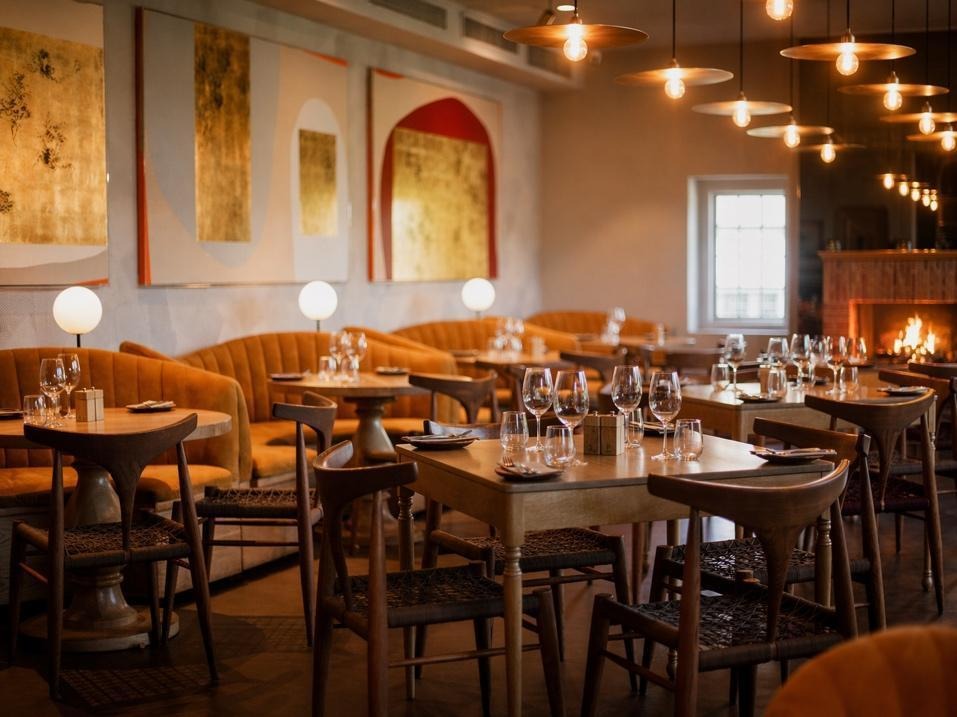
At Steenberg in the Constantia Valley, sustainability begins with caring for the land. Guided by more than 340 years of custodianship, the estate’s philosophy embraces regenerative farming, responsible water use, and the protection of indigenous ecosystems. The same principles shape the food served at its two restaurants, Bistro Sixteen82 and Tryn.
Although the dining experiences differ, the values behind them remain the same. Bistro Sixteen82 offers contemporary, flavour-driven dishes in a relaxed vineyard setting, while Tryn presents a more intimate and refined interpretation of contemporary South African cuisine. Both menus are rooted in seasonality, thoughtful sourcing, and a deep respect for provenance.
Steenberg’s relationship with ABALOBI reflects this commitment. Bistro Sixteen82 became the pilot restaurant partner for the initiative in 2018, helping pioneer a model that connected chefs directly with small-scale fishers and brought fully traceable seafood to the table. Today, both restaurants continue to source seafood through the platform, supporting ethical fishing practices and the coastal communities behind every catch.
At Bistro Sixteen82, a signature pickled fish dish draws on the individual heritage influences of the team, resulting in something that feels both deeply personal and distinctly South African. At Tryn, seasonal menus encourage guests to slow down and connect more thoughtfully with the ingredients on their plate and the landscape that produced them.
In both restaurants, ABALOBI dishes are presented with QR codes that reveal the story behind each catch. With a simple scan, diners can discover who caught their fish and where it came from, transforming a meal into a meaningful connection between the Constantia Valley and South Africa’s coastal fishing communities.
Bistro Sixteen82 Opening Times: Daily, 9 am to 10 pm.
Address: Steenberg Rd, Tokai, Cape Town, 7945, South Africa
Website: https://steenbergfarm.com/
Contact: +27 21 205 3866
Tryn Opening Times: Daily, 8 am to 10 pm.
Address: Steenberg Rd, Tokai, Cape Town, 7945, South Africa
Website: https://steenbergfarm.com/
Contact: +27 21 713 7178
De Tafel: Dining Through South Africa’s Living Landscapes
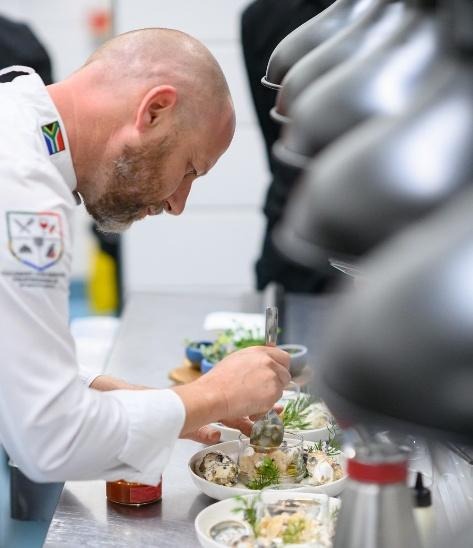
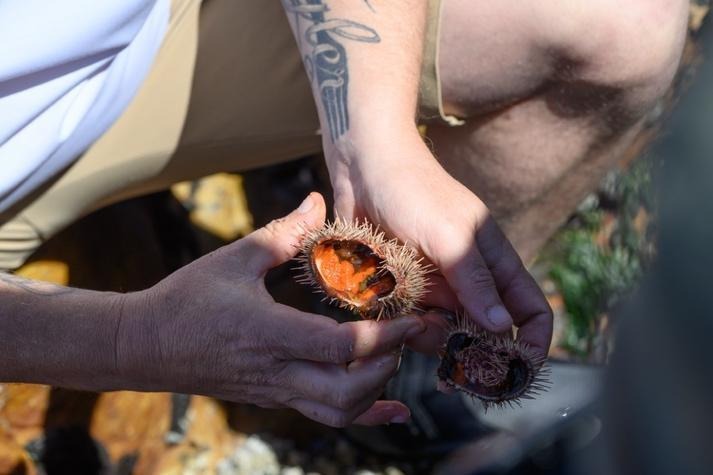
At De Tafel, dinner becomes a journey through South Africa’s landscapes.
Chef Greogory Henderson’s “living Landscape Series” draws inspiration from the country’s nine biomes, from mountain fynbos and coastal ecosystems to forests, grasslands, and savannahs. Menus evolve according to seasonal rainfall patterns, indigenous harvesting cycles, and ingredient availability, allowing nature itself to shape what appears on the plate.
Many ingredients are ethically foraged from the mountains and coastlines surrounding Cape Town. Others come from local farmers, artisan producers, and small-scale fishers working through ABALOBI’s marketplace.
For Henderson, sustainability begins with accepting limitations.
“We intentionally choose not to take endlessly from the land or sea simply because we can.”
That philosophy means working with nature’s rhythms rather than against them. Ingredients are chosen according to seasonality and availability, and every course is designed to reflect the biodiversity and cultural heritage of the landscapes that inspire it.
The experience extends well beyond the food itself. Throughout the meal, guests are introduced to the stories behind the ingredients, the environments they come from, and the traditions that have shaped them. Dining becomes an opportunity to experience South Africa’s extraordinary natural heritage through flavour and storytelling.
For diners seeking some of the most distinctive sustainable restaurants Cape Town has to offer, De Tafel demonstrates that a meal can be both an exploration of place and a reminder of why those places deserve protection.
Opening Times: Wednesday to Sunday, 6 pm to 10 pm.
Address: 10 Oxford St, Wynberg, Cape Town, 7800, South Africa
Website: https://palmhouse.co.za/de-tafel/
Contact: (+27) 21 745 5008
Terrarium: Finding Creativity in Every Ingredient
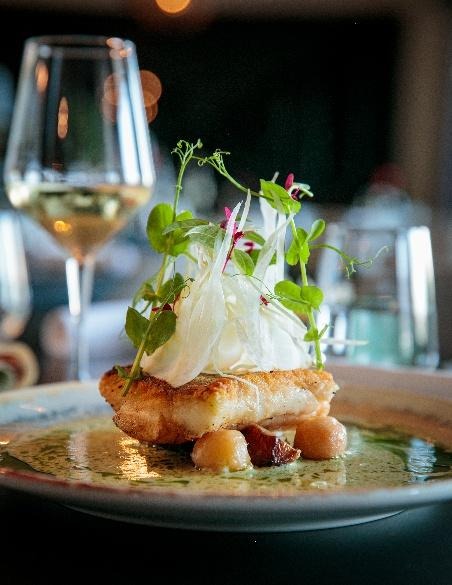
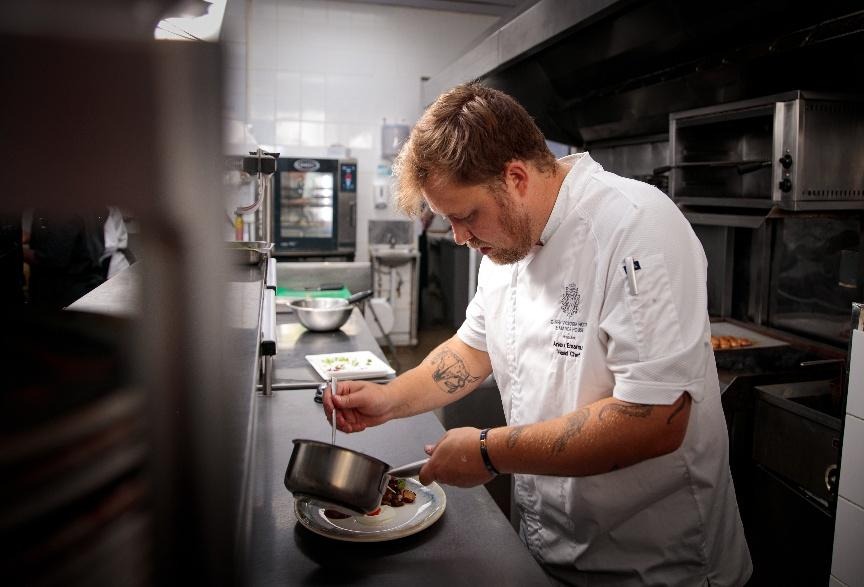
At Terrarium, sustainability is not treated as a constraint. It is the starting point for creativity.
The contemporary fine dining restaurant centres its menu around local, seasonal produce and long-standing relationships with local producers and suppliers. Bold flavours and thoughtful combinations sit alongside a deep appreciation for what nature provides throughout the year.
For head chef Anlo Erasmus, sustainability is the restaurant’s guiding principle. Every ingredient is used as fully as possible, with little going to waste. Vegetable offcuts become ferments and pickles, while trimmings find new life in stocks and sauces. Even shifts in seasonal availability, which can make consistency more challenging, and embraced as opportunities to keep the menu evolving.
That philosophy is perhaps best illustrated in some of the restaurant’s signature dishes. A tomato tartare uses every part of the fruit in different ways and changes according to the varieties in season. Elsewhere, a palate cleanser bridges the gap transition between seasons through a grapefruit sorbet paired with a syrup made from tomato offcuts and compressed, dried strawberries.
Working sustainably in the city brings its own challenges, particularly when demand for local produce outpaces supply. Yet the restaurant remains committed to sourcing ingredients fresh each day and maintaining close relationships with the people who produce them.
For diners seeking some of the most sustainable restaurants Cape Town has to offer, Terrarium demonstrates that sustainability and fine dining are natural partners. By embracing seasonality, reducing waste, and finding new possibilities to overlook ingredients, the restaurant shows that some of the most memorable dishes can emerge from a philosophy of thoughtful resourcefulness.
Opening Times: Daily, 12 pm to 9:30 pm
Address: Moorings 5 & Portswood Ridge, 5 Portswood Rd, Victoria & Alfred Waterfront, Cape Town, 8001, South Africa
Website: https://newmarkhotels.com/
Contact: +27 21 427 5940
FYN: Rediscovering the Flavour of Place
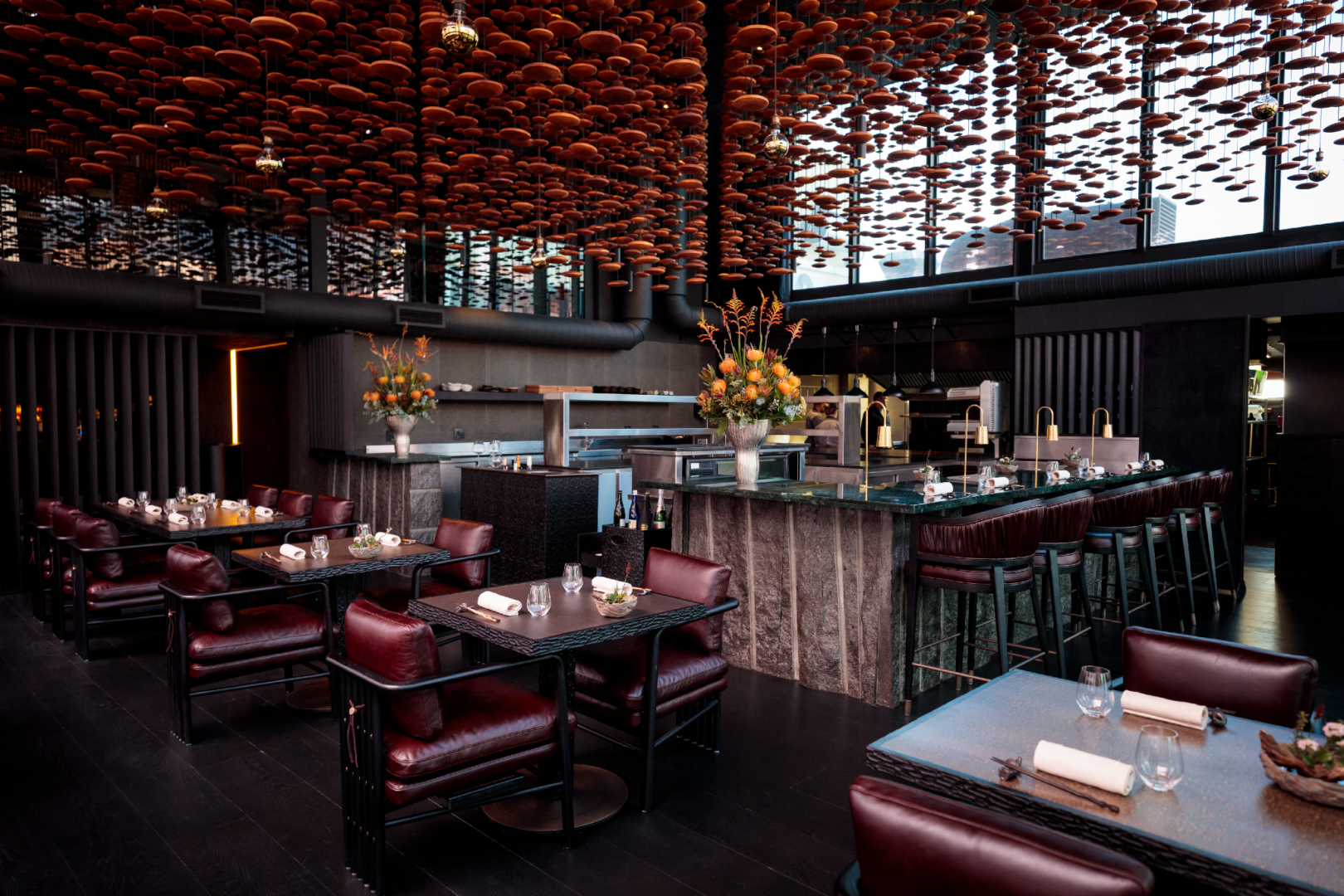
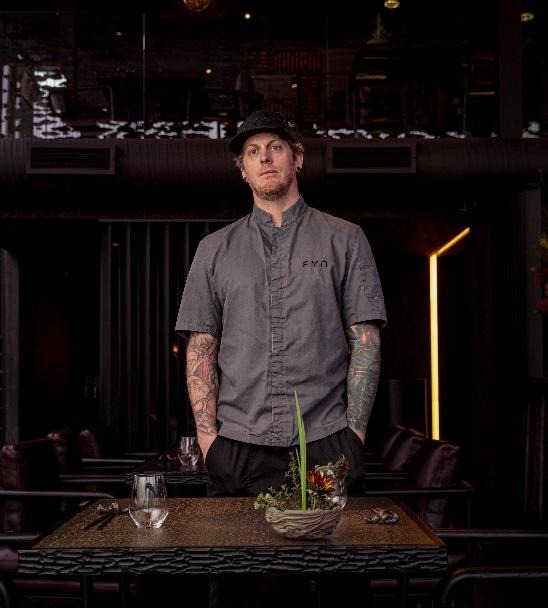
On the fifth floor of a building in Cape Town’s CBD, FYN looks both outward and inward. Outward to the city below and inward to the ingredients and food stories that speak to what people in this region ate thousands of years ago.
The restaurant’s contemporary fine dining experience brings together South African ingredients and Japanese flavours, aesthetics, and techniques in a way few kitchens attempt. Courses unfold in an open dining room where the kitchen remains fully visible and immersive projections transform the space as the meal progresses. Yet for all its innovation, FYN remains firmly rooted in place.
The menu is guided by what the country’s land and coastline provide, drawing on indigenous plants, seasonal produce, and responsibly harvested seafood. Many ingredients are sourced from local farmers and producers who share the restaurant’s commitment to ethical and regenerative practices.
That philosophy extends to FYN’s partnership with ABALOBI and Fish With A Story. Seafood is fully traceable to the individual fisher and vessel that landed it, and the kitchen works with green-listed, line-caught species and seasonal local produce rather than building menus around fixed expectations.
At FYN, sustainability is not treated as a separate initiative but as an integral part of the restaurant’s identity. Teams are encouraged to understand and share the stories behind the ingredients that reach the table, while artwork and light projections celebrating the ocean quietly reinforce the narrative throughout the meal.
For diners seeking some of the most thoughtful sustainable restaurants Cape Town has to offer, FYN presents sustainability as an invitation to look at familiar ingredients differently. Through each course, guests encounter flavours rooted in South Africa’s landscapes and coastline, rediscovering ingredients and traditions that might otherwise have been forgotten.
Opening Times: Monday to Saturday, 12pm to 1:45 pm & 6 pm to 8:30 pm.
Address: 5th Floor, Speakers Corner, 37 Parliament St, Cape Town City Centre, Cape Town, 8001, South Africa
Website: https://www.fynrestaurant.com/
Contact: +27 21 286 2733
What These Kitchens Have in Common
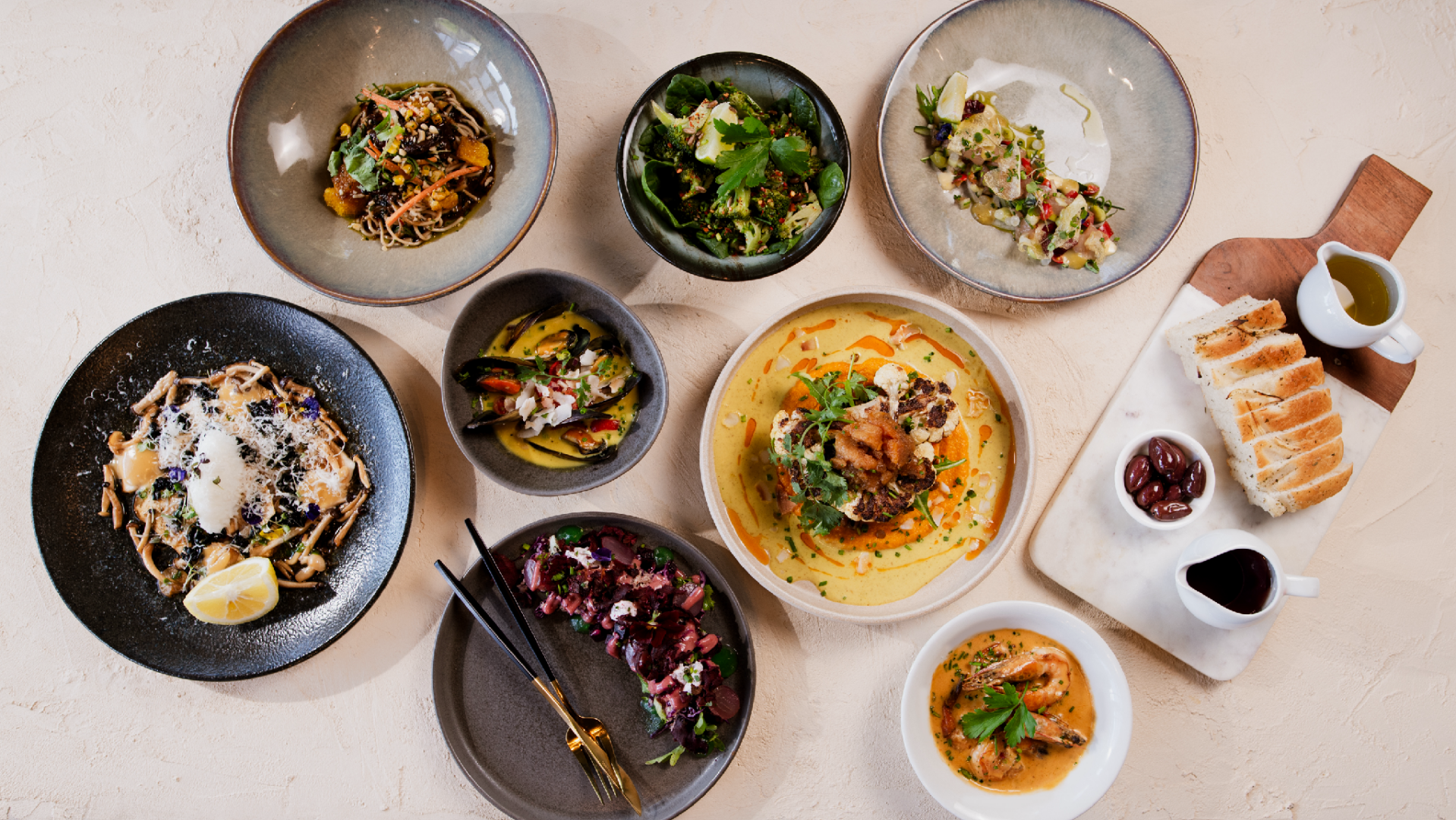
At first glance, these restaurants have little in common. But on closer inspection, its clear they are all connected by the same belief: exceptional ingredients deserve care, transparency, and respect.
Through their partnership with ABALOBI, these kitchens have embraced a different way of sourcing seafood. They accept that menus may need to change with the seasons. They understand that responsibly harvested fish cannot always be available on demand. And they recognise that knowing where an ingredient comes from and who brought it ashore adds value to the dining experience.
Perhaps most importantly, they have demonstrated that sustainability is not a limitation on creativity. If anything, it encourages chefs to cook more thoughtfully, waste less, and build stronger relationships with the producers and communities behind their ingredients.
Together, these restaurants represent a growing movement within Cape Town’s hospitality sector – one that values connection as much as craftsmanship, understanding that great food begins long before it reaches the plate.
What it Means for Diners
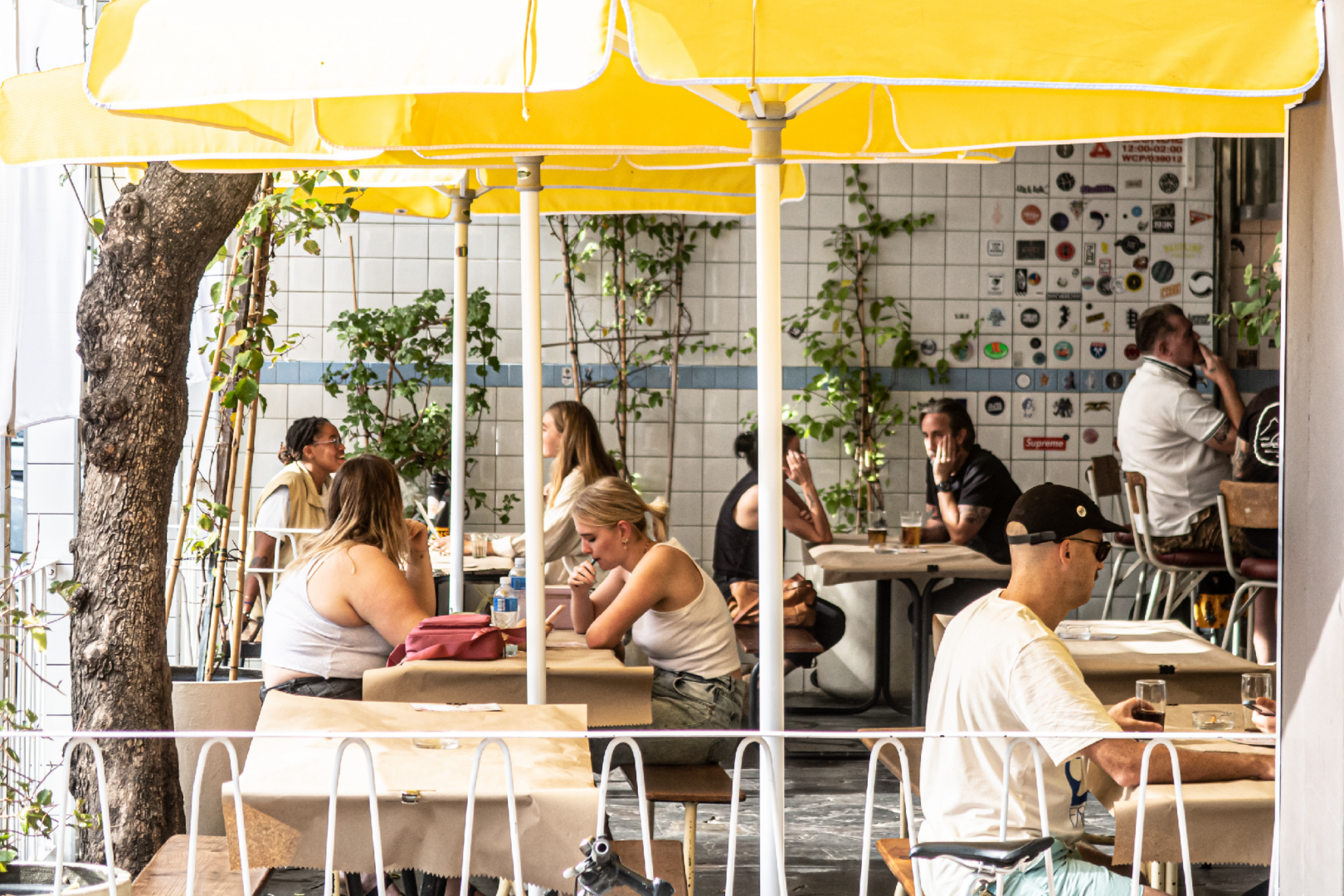
For diners in Cape Town, these restaurants offer far more than a memorable meal.
Travellers increasingly want to understand the places they visit through food. They want experiences that feel authentic and ingredients that carry a sense of provenance. Increasingly, they’re also seeking out sustainable dining Cape Town is becoming known for – dining that reflects the landscapes, communities, and traditions that make the city unique.
At these restaurants, a seafood dish can become a window into life along the Cape coast. A QR code might introduce diners to the fisherman who caught their dinner. A seasonal menu may reveal how weather and biodiversity shape what is available at different times of the year. A simple plate of fish becomes an opportunity to connect with the people and environments that made it possible.
Choosing where to eat is rarely just about what is on the menu. Sometimes it’s also about participating, however briefly, in a system that values transparency, supports local livelihoods, and encourages a more thoughtful relationship with food.
Rethinking What Makes a Great Restaurant
These kitchens suggest that sustainability is not a separate category of dining, nor is it certification to be displayed on a wall.
Instead, it reveals itself in quieter ways: in a whole fish served little waste, in menus shaped by the seasons rather than convenience, in chefs willing to pay fairly for exceptional ingredients, and in diners taking a moment to learn the story behind their meal.
The next time a QR code appears beside your plate, pause before your first bite. Scan the QR code. Read the story. Somewhere along the Cape coast, a fisher’s early morning became your dinner.
That connection,from ocean to plate, is what ABALOBI has been building for more than a decade. By bringing fishers, chefs, and diners into the same story, the organisation is not only changing how Cape Town sources seafood. It is changing how the city chooses to eat.