Turkey doesn’t reward the unprepared traveller – but it is deeply generous to those who understand its public transport system and how locals move. If you’re reading this from Cape Town, you already know the feeling. You’ve waited for a train that didn’t come. You’ve taken a scenic route that wasn’t on Google Maps. You’ve learned that movement – not monuments – is what teaches you how a city actually works.
Turkey is no different. It’s a country where metros hum beneath ancient streets, ferries glide past minarets, and shared minibuses operate on instinct rather than timetables. For independent travellers, this is where the magic lives – but only if you know how to step into it.
Think Less Tour Bus, More Local Rhythm
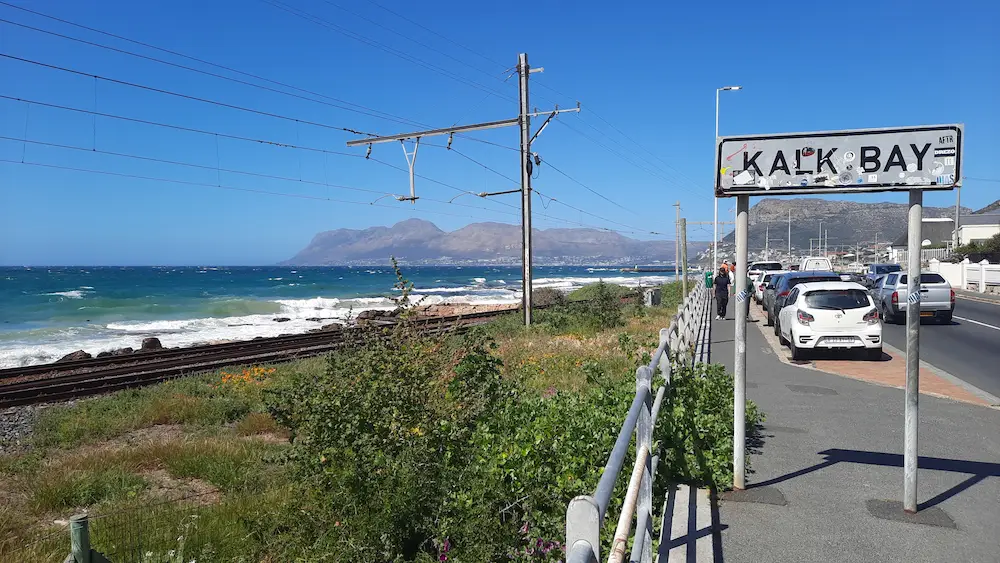
Cape Town travellers tend to travel well. We’re used to connecting modes: flights into Cape Town International, road trips into the Winelands, hopping the wine tram in Franschhoek, or taking the train to Kalk Bay when it’s behaving itself. We understand that the journey is part of the story.
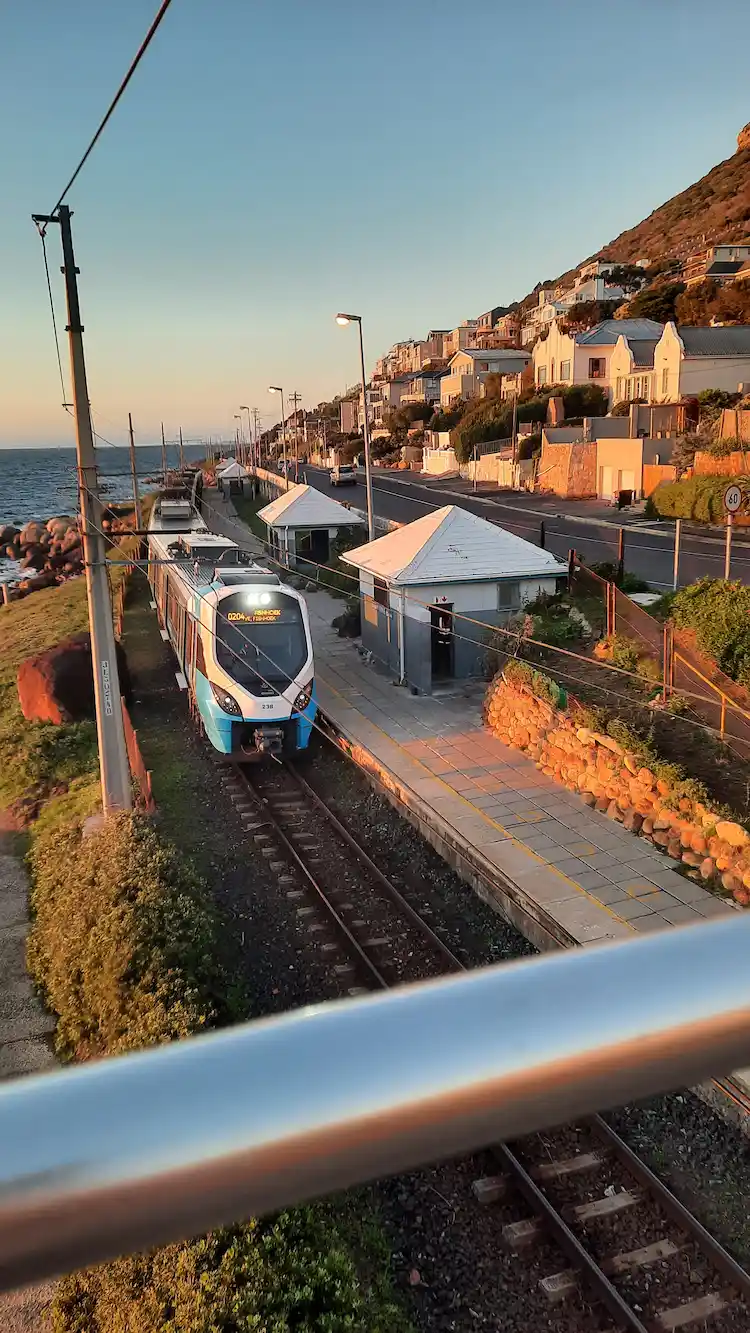
I had the classic example of waiting for the 14h40 due on Platform 6 from Cape Town station to Fish Hoek, only to see it delayed. What followed was beyond comical. The barely coherent announcer, who sounded as if she was calling from a very deep, rat-infested hole, told us all to move to platform 8.
Off we all went, filled with anticipation. Only to be met by an empty platform – no train in site. However, there was another train parked on platform 7, it looked pretty good and people were climbing aboard. Only problem was, it was going to Kraaifontein, same time different destination. Another garbled message and we were off to Platform 5, eventually catching our train and reaching our destination unscathed and in air-conditioned comfort.
It’s all part of the fun when travelling in our chaotic rainbow nation. But how does it compare to Turkey?
Public Transport Price Comparison – Istanbul vs Cape Town
Wondering how much getting around Istanbul will actually set you back compared to Cape Town’s MyCiTi and trains?
Here’s the no-BS price breakdown South Africans actually need:
| Category | Istanbul (Turkey) | Cape Town (South Africa) | Notes/Comparison |
|---|---|---|---|
| PricTrains/Metroe (2026, 14 – 18 days) | ~27-35 TL per ride (Istanbulkart; longer distances like | ~27-35 TL per ride (Istanbulkart; longer distances like Marmaray up to ~60 TL) | Istanbul more uniform/flat rate; Cape Town commuter rail cheaper for short trips but less frequent/reliable in some areas. |
| Buses | ~27-35 TL per ride (Istanbulkart) | MyCiTi: ~20-60 ZAR (distance/peak/off-peak; e.g., city to Camps Bay ~12-40 ZAR) Golden Arrow: Cash ~15-40 ZAR | Istanbul integrated card cheaper for multiples; Cape Town MyCiTi modern but limited coverage. |
| Trams/Light Rail | ~27-35 TL per ride (Istanbulkart) | Limited (MyCiTi includes some rapid links); similar to bus fares | Istanbul has extensive historic/modern trams; Cape Town focuses on buses. |
| Ferries | Short cross-Bosphorus: ~38-45 TL (Istanbulkart) Longer/Bosphorus: ~45-50 TL+ | No regular commuter ferries; Tourist (e.g., to Robben Island): ~400-600 ZAR round-trip (not daily commute) | Istanbul ferries are core public transport (scenic/essential); Cape Town mainly tourist-focused. |
| Taxis (Metered) | Starting: ~40-50 TL Per km: ~27-32 TL Short city ride (5-10km): ~200-400 TL | Starting: ~20-50 ZAR Per km: ~10-15 ZAR Short city ride (5-10km): ~100-250 ZAR | Cape Town generally cheaper; Istanbul affected by inflation/traffic. |
| E-hailing (Uber/Bolt) | Similar to taxis or slightly cheaper; Average short ride: ~150-300 TL (Bolt often lower) | Bolt often cheapest (~R70-150 for short rides); Uber similar/slightly higher | Both cities: Bolt > Uber for savings; dynamic pricing applies. Cape Town rides typically lower cost. |
| Bicycle Rental | Daily: ~€3-20 (~100-700 TL); Shared e-scooters/bikes (e.g., Marti, IsBike): per minute/ride cheap | Daily: ~R200-500; Upcycle/shared bikes available in tourist areas | Both affordable; Istanbul has more app-based shared options. |
| Motorbike/Scooter Rental | Daily: ~€20-50+ (~700-2000 TL) | Daily: ~R500-1500+ | Similar costs; popular for independent exploration in both. |
| Campervan Rental | Daily: ~€50-150+ (varies by season/size) | Daily: ~R1500-4000+ (popular for road trips) | Cape Town stronger market for Winelands/Garden Route; both seasonal/high in summer. |
1 South African Rand (ZAR) = 2.48 Turkish lira (TRY) (or conversely, around 2.48 TRY per ZAR). Note that rates fluctuate daily due to market conditions – inflation in Turkey can cause rapid changes – so check a reliable source like a bank or currency converter for the exact current rate.
Rush Hour Reality (And How to Beat It with Public Transport)
Similarly to Cape Town, peak hours in Turkish cities are not gentle. They are purposeful.
If you can, travel off-peak. If you can’t, arrive early, stand near doors, and let people off before boarding. Keep your belongings close and your expectations realistic.
In Cape Town its survival of the fittest. Fight your way out the door, avoid being trampled in the rush of passengers trying to take your just-vacated seat and then join the stream of people heading for the exits. And woe betide anyone silly enough to think they can ascend the stairs to the platform from which the new arrivals are disembarking.
This isn’t rudeness – it’s momentum.
Why Connectivity Matters More Than You Think
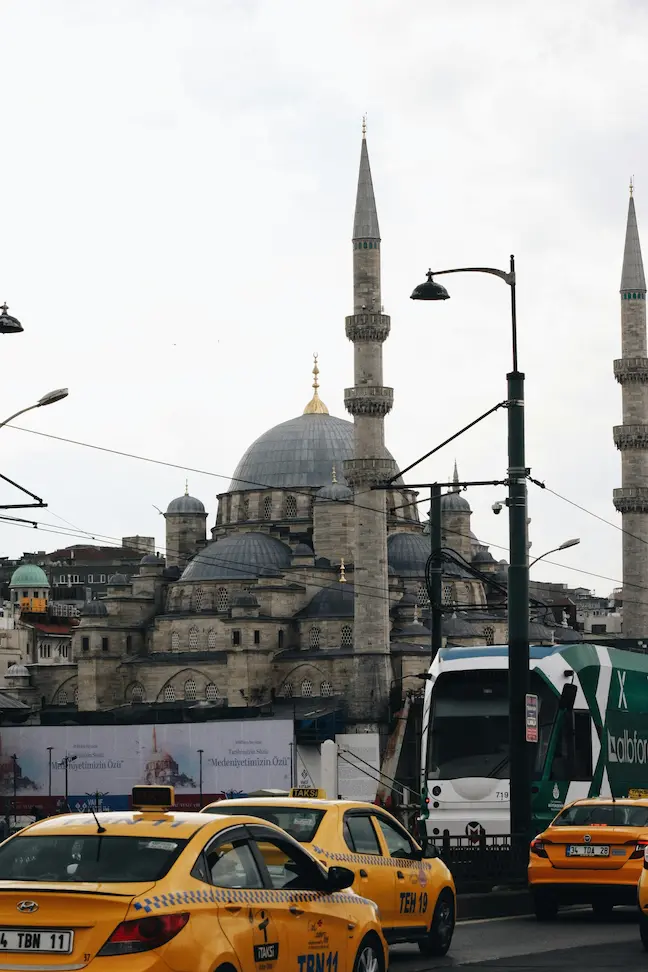
Here’s the truth seasoned travellers learn quickly: public transport only feels intimidating when you’re disconnected.
Maps. Translation. Real-time schedules. Route changes. Platform updates.
This is where a Turkey eSIM quietly becomes one of the most valuable tools you’ll pack.
Instead of hunting for a local SIM, swapping cards, or relying on café Wi-Fi, an eSIM keeps your navigation live from the moment you land. You can check ferry times mid-crossing, confirm dolmuş routes on the fly, or translate a station announcement before panic sets in.
Think of it the way you’d think about pre-loading routes before a road trip through the Karoo – preparation that buys freedom.
Download offline maps too. Tunnels happen. Coverage dips. Redundancy is confidence.
Language, Courtesy and Small Wins
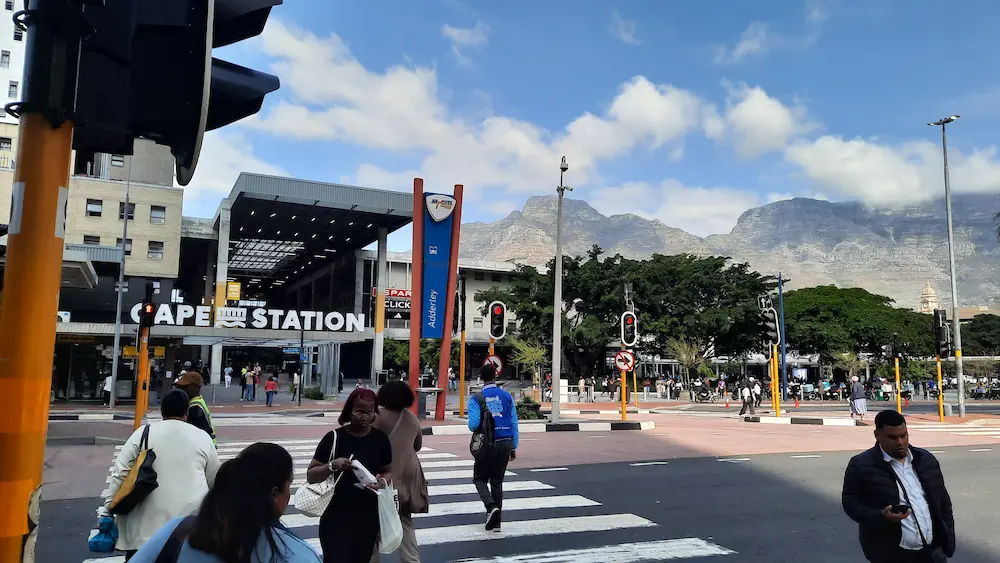
Outside major hubs, announcements may be Turkish only. Learning a handful of phrases helps, but tone matters more than fluency.
A polite question. A smile. A willingness to look a little lost without entitlement.
Locals help travellers who help themselves. This works wonders in Cape Town too, where just about everyone is willing to help you get to your destination even if it does mean you go up Kloof Street instead of down Long Street to get to the Mabu Vinyl Record Store.
The Bigger Public Transport Picture
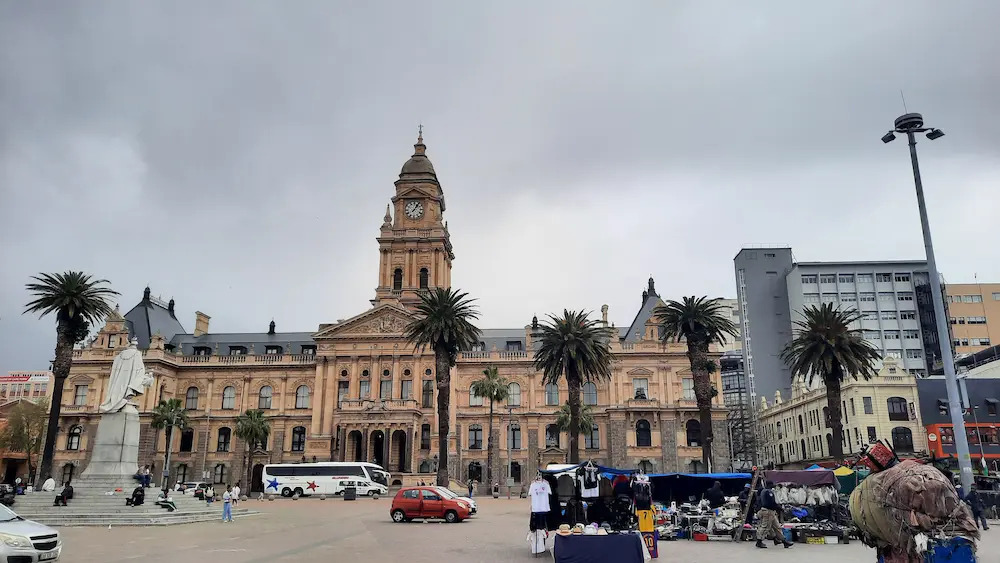
Cape Town travellers understand something many don’t; movement shapes memory.
Whether it’s a wine tram through the Franschhoek Valley, a scenic rail journey when it behaves, or dreaming of future connections like a revitalised airport-to-Winelands link, we know that transport isn’t just infrastructure – it’s storytelling.
Turkey offers that same layered experience, scaled up and centuries deep. Master its transport systems, stay connected, travel with curiosity, and you won’t just see Turkey. You’ll move through it like you belong there.
And that’s always where the best stories begin.
FAQ: Getting Around Cape Town by Public Transport
For budget-conscious travellers, the MyCiTi bus system is often the cheapest and most reliable public option for tourist areas (fares typically R20 – R60 depending on distance and time of day). Metrorail trains on the Southern Line are even lower (R20 – R50 for scenic routes like Cape Town to Simon’s Town), while minibus taxis start as low as R10 – R20 but can feel chaotic. For convenience and value, many opt for e-hailing apps like Bolt or Uber, which are affordable (short rides R70 – R150) and safer than traditional options.
Cape Town’s public transport is mixed – MyCiTi buses are modern, clean, frequent, and great for key routes (e.g., City Bowl, Atlantic Seaboard, airport links). However, the overall system (including Metrorail trains and minibus taxis) has challenges like limited coverage, reliability issues, delays, and safety concerns outside peak/daylight hours. It’s improving with expansions and new electric buses, but many locals and tourists prefer Uber/Bolt or renting a car for flexibility. MyCiTi is the standout for visitors.
MyCiTi buses are cashless – you need a myconnect card (costs about R40 to buy). Load it with funds (pay-as-you-go) or Mover packages for discounts at station kiosks, participating shops, or Absa ATMs. Tap in and out for distance-based fares. Golden Arrow buses (another major operator) often accept cash on board, but MyCiTi is the primary modern network.
1. Buy a myconnect card (R40) at MyCiTi stations, kiosks, or retailers.
2. Load money onto it (for pay-as-you-go) or buy a package.
3. Plan your route via the official MyCiTi app or website (myciti.org.za).
4. At stations or stops: Tap in when boarding (and tap out when exiting for accurate fares).
Transfers within 45 minutes count as one journey. Off-peak travel is cheaper -avoid peak hours (weekdays ~06:45 – 08:00 and 16:15 – 17:30). Buses are punctual, air-conditioned, and run on dedicated lanes for speed. Download the app for real-time timetables and balances!ckets save R3,000 – R4,000 on this route.
The myconnect card (required for MyCiTi bus travel) costs a one-time fee of R40. You purchase it at MyCiTi station kiosks, participating retailers, or certain ATMs, then load it with funds or packages. Note: Starting in December 2025, MyCiTi is rolling out a new system allowing direct tapping with contactless bank cards on upgraded validators (phased in until January 2026), but the myconnect card remains available and is still needed for discounted options like Day Passes or Mover points.
Yes, buying City Sightseeing Hop-on Hop-off bus tickets (the red double-decker tourist buses) online is generally cheaper than purchasing on-site or on the bus. Official prices vary by package (e.g., 1-day Classic or 2-day Premium), but third-party platforms and advance online bookings often offer discounts, combos (like with Table Mountain), or promo deals – sometimes saving 10-20% or more compared to walk-up rates at stops like the V&A Waterfront. Check the official City Sightseeing website (citysightseeing.co.za) or partners like Webtickets for current public transport specials; prices fluctuate seasonally, but online vouchers are convenient and usually the best value.