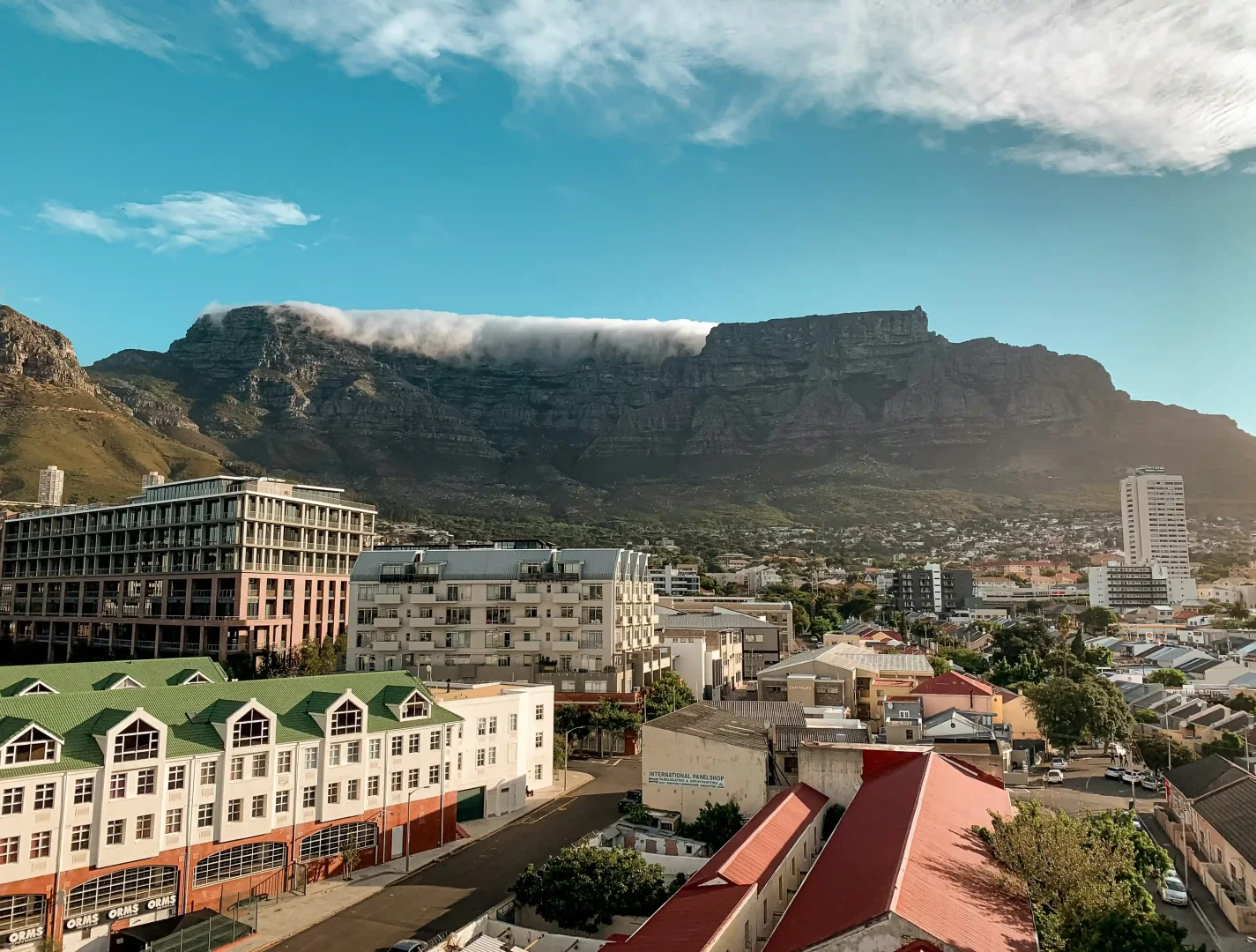
Rising sharply above the city bowl, Devil’s Peak Cape Town, is one of the most underrated adventures in the Mother City. Overshadowed by Table Mountain, this dramatic summit offers quieter trails, raw terrain, and some of the most rewarding views. It’s wilder. It’s steeper. And it feels earned.
For hikers craving more than the usual routes, Devil’s Peak South Africa delivers a true mountain experience. Think rugged paths, sweeping cityscapes, and a sense of escape just minutes from town. This guide unpacks everything you need to know to explore Devil’s Peak hike with confidence, respect, and awe.
Where is Devil’s Peak in Cape Town?

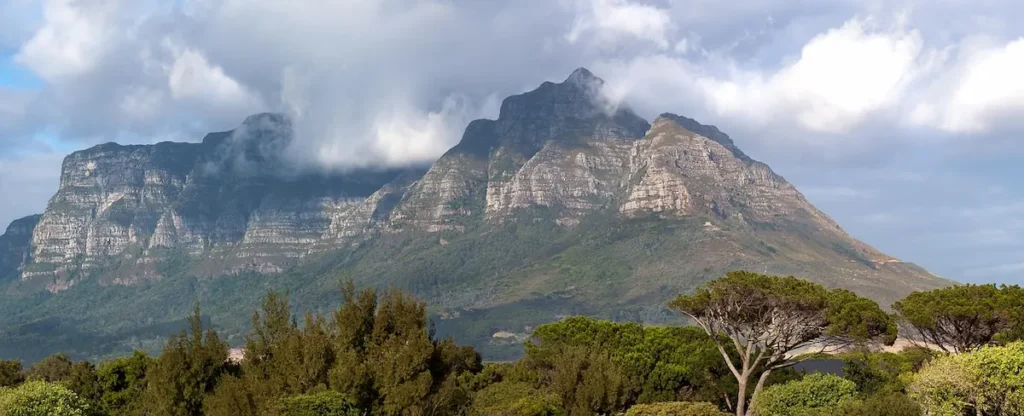
Devil’s Peak, Cape Town forms the eastern anchor of the iconic mountain chain that defines the city. It sits just behind the suburbs of Woodstock, Salt River, and Observatory, rising sharply above the urban edge. While Table Mountain South Africa dominates the skyline, Devil’s Peak stretches longer and feels far more untamed.
Part of Devil’s Peak South Africa, lies within the Table Mountain National Park. Yet it remains less visited. And far less crowded. Its slopes roll upward from the city bowl toward a broad summit ridge, offering uninterrupted views across Table Bay and deep into the Southern Suburbs.
Unlike the central plateau of Table Mountain, Devil’s Peak rewards those willing to climb. No cable car, and no shortcuts, just a steady ascent into one of Cape Town’s most dramatic natural spaces.
Devil’s Peak vs Table Mountain: What’s the Difference?
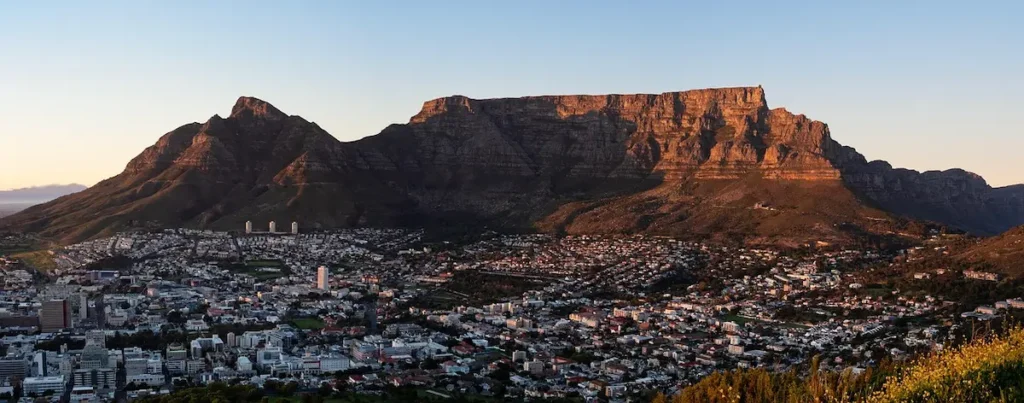
At first glance, Devil’s Peak and Table Mountain seem inseparable. They form part of the same mountain range. They shape the same skyline. And yet, the experience on each could not be more different.
Table Mountain South Africa is polished and accessible. Cable cars are available to take you to the top, while the paths are wide and predictable. In contrast, Devil’s Peak Cape Town is raw and demanding. Trails are steeper, the terrain is uneven, but the reward feels earned.
Devil’s Peak attracts hikers, not tourists. Those who choose the climb do so for solitude, challenge, and uninterrupted views. There are no queues, no railings, just mountain.
For anyone seeking a deeper connection to Cape Town, the choice is clear: this is where the city feels wild again.
Devil’s Peak Hike Start: Where Your Adventure Begins
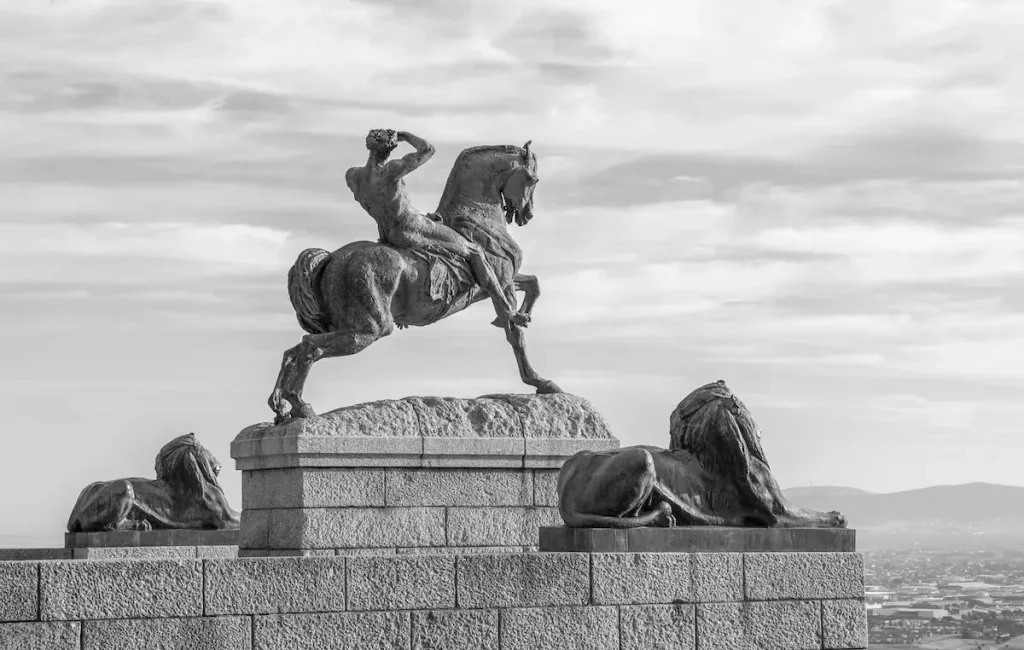
Every great climb begins with a clear starting point. And on Devil’s Peak Cape Town, choosing the right trailhead matters.
Most hikers begin the Devil’s Peak hike start from the Lower Cable Station area or the Rhodes Memorial side. These access points are easy to reach. Yet once you step onto the path, the city fades quickly and nature takes over.
The most popular route starts near Tafelberg Road. From here, the trail rises steadily along the mountain’s lower slopes. It’s direct, exposed, and sets the tone for the challenge ahead. This is not a gentle walk; this is a climb.
Another common Devil’s Peak hike start begins near Rhodes Memorial. This option offers a slightly longer approach. However, it rewards hikers with gentler gradients at first and sweeping views over the Southern Suburbs. It’s ideal for those easing into Devil’s Peak hiking for the first time.
Regardless of your chosen route, signage is limited. Trails are informal, and conditions can change quickly. But that’s part of the appeal. Devil’s Peak demands awareness from the very first step.
Arrive early, start hydrated, and know your route before you go. Once you begin the Devil’s Peak hike, there are no shortcuts. Only forward movement, and that’s exactly what makes it unforgettable.
Devil’s Peak Hiking Routes and Trail Options
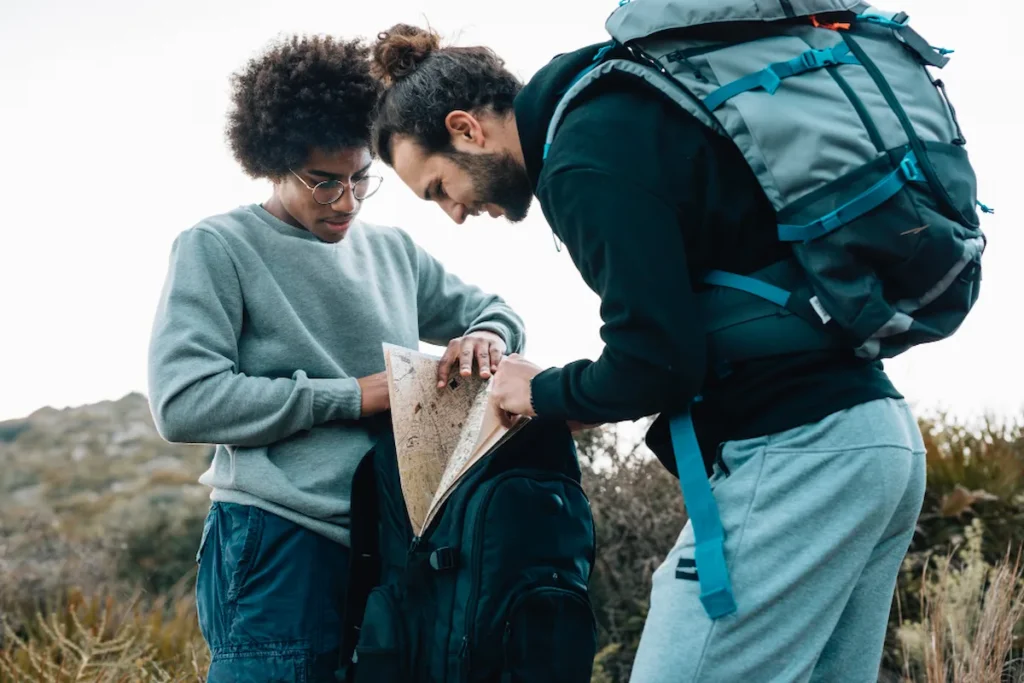

Hiking Devil’s Peak Cape Town is not a one-size-fits-all experience. There are multiple routes. Each starts differently, each feels different, and each demands respect.
Saddle Neck Route (Most Popular)
This is the most commonly used Devil’s Peak hike start. The trail begins gently before climbing steadily toward the saddle. From here, the ascent steepens. Footing becomes rocky, and exposure increases. It’s direct, delivering dramatic views over the city bowl and Table Mountain. For first-time visitors, this is the classic choice.
Start Location: Tafelberg Road, near the Lower Cable Station.
Distance: ± 5.5 km return
Duration: 3-4 hours
Difficulty: Moderate to strenuous
Rhodes Memorial Route (Scenic and Gradual)
This Devil’s Peak hike is longer but more gradual. The trail contours the mountain before rising toward the summit ridge. Early sections are shaded and forgiving. It’s ideal for hikers new to Devil’s Peak hiking who want time to settle into the climb. Views stretch across the Southern Suburbs and Table Bay, offering a very different perspective on Devil’s Peak South Africa.
Start Location: Rhodes Memorial parking area.
Distance: ± 7 km return
Duration: 4-5 hours
Difficulty: Moderate
Mowbray Ridge Route (Challenging and Exposed)
This route is steep from the start. There’s little warm-up. The ridge climbs relentlessly toward the summit. Navigation can be tricky, and there is a chance of wind exposure.
This Devil’s Peak hike is best suited to experienced hikers. Those comfortable with uneven terrain will find it rewarding.
Start Location: Mowbray or Devil’s Peak Estate area
Distance: ± 6 km return
Duration: 4-5 hours
Difficulty: Strenuous
What You’ll See on a Devil’s Peak Hike
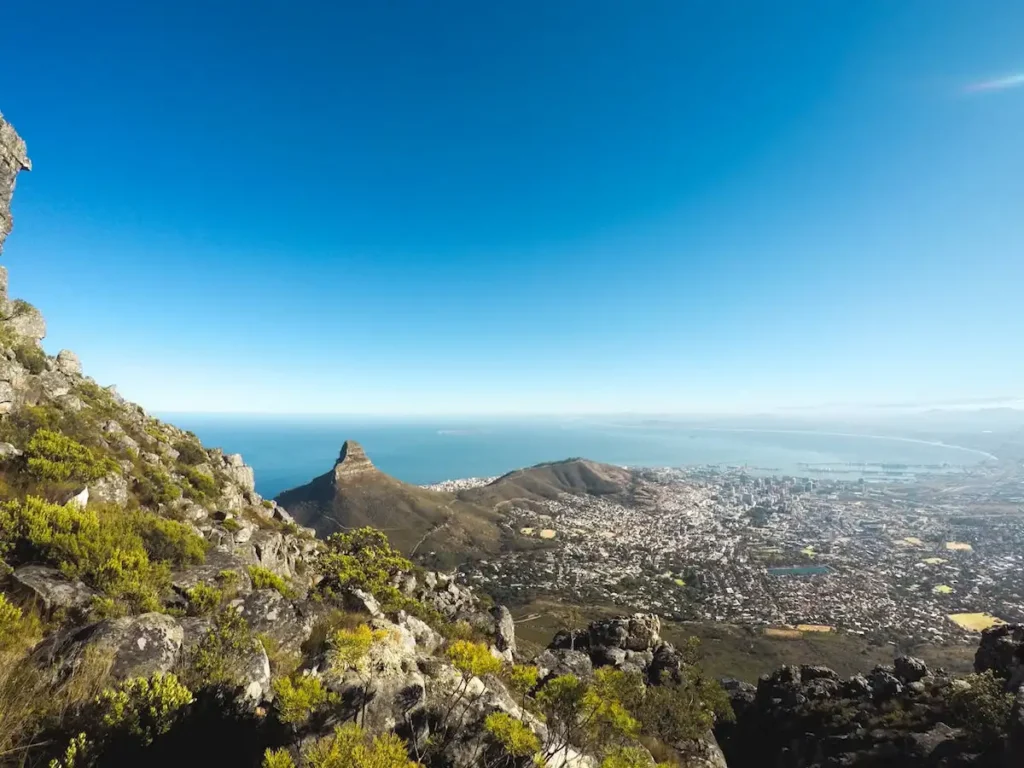
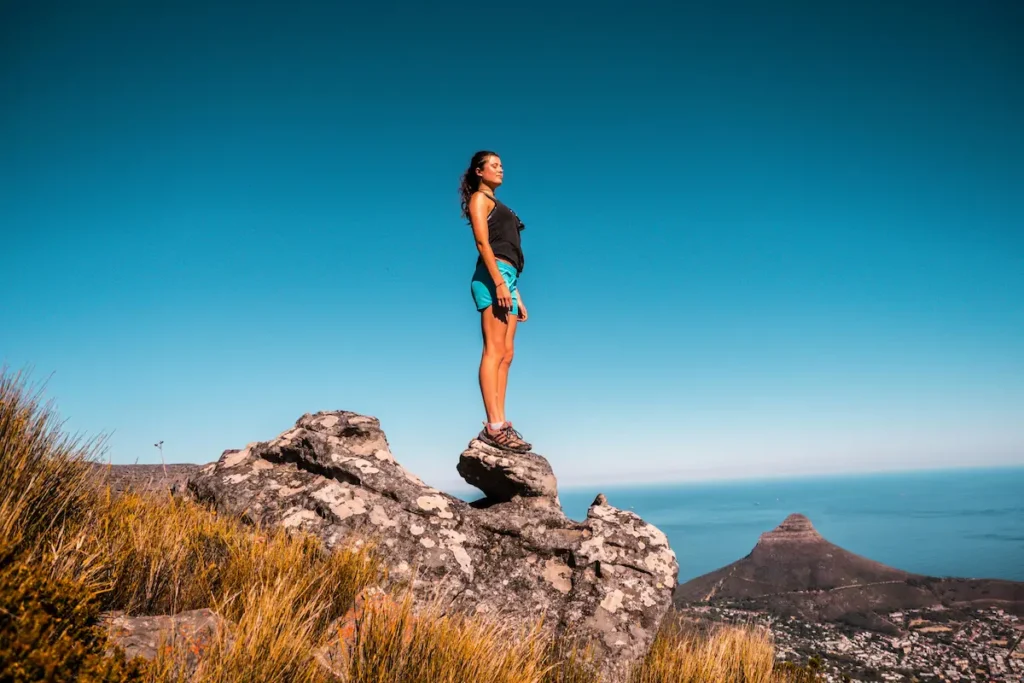
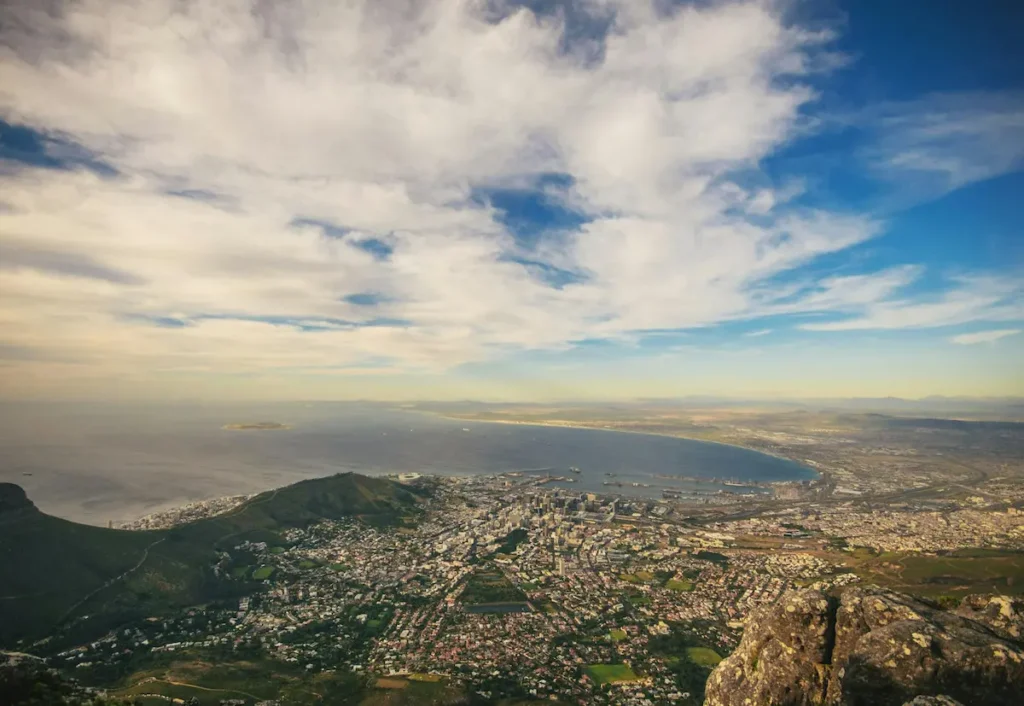
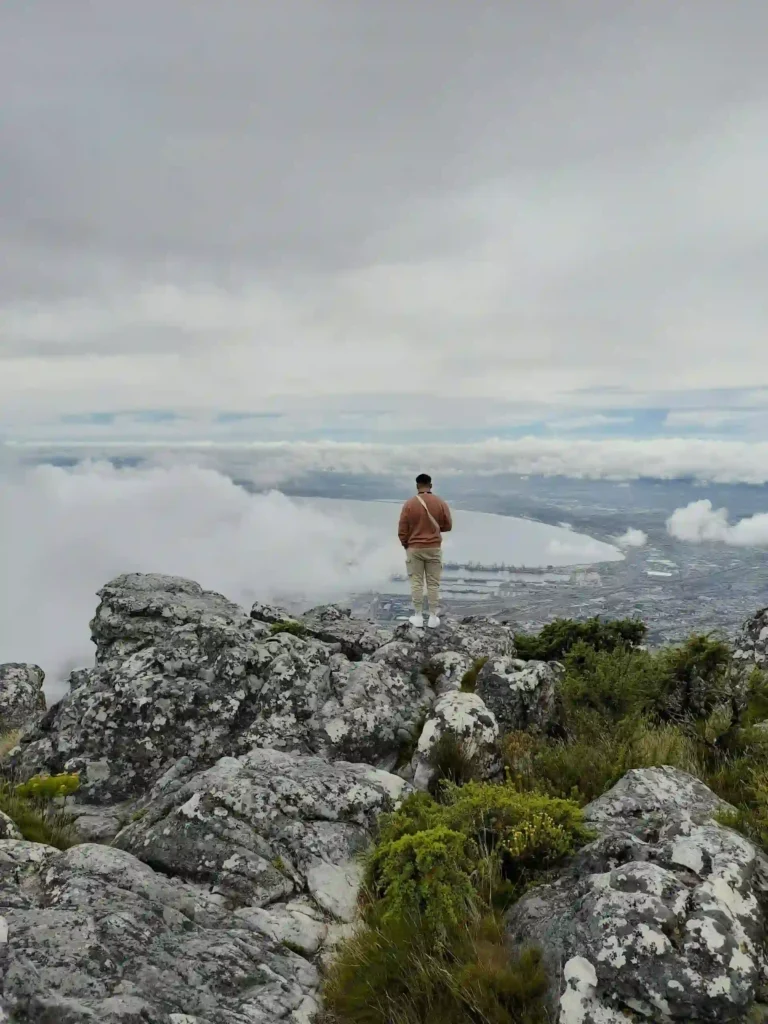
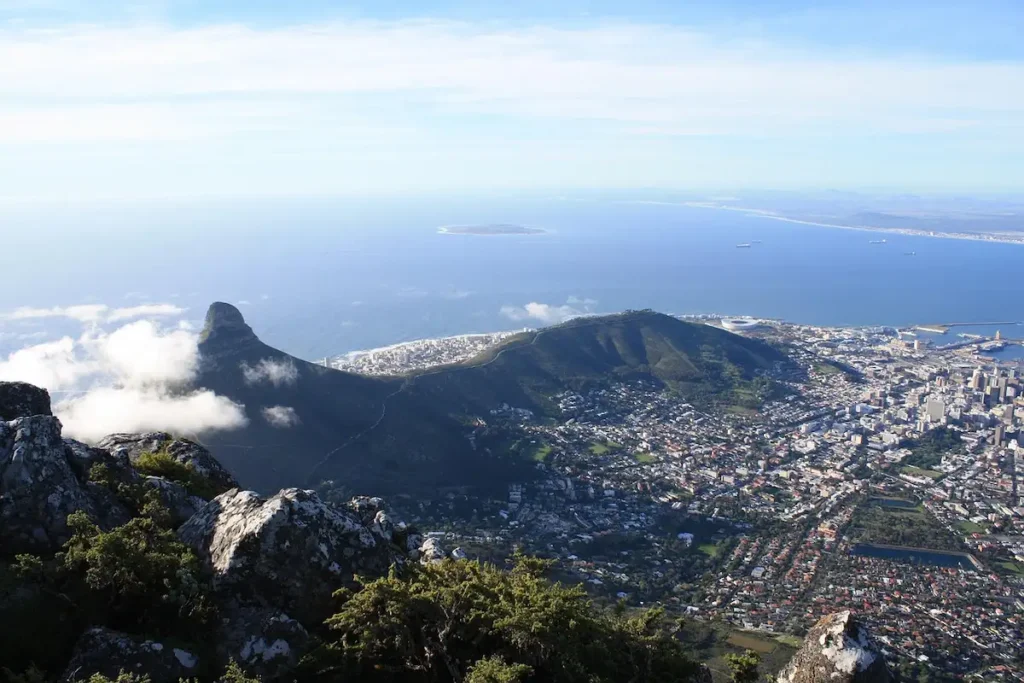
While the climb is demanding, the views are immediate. From the lower slopes of Devil’s Peak Cape Town, the city bowl unfolds beneath you. Streets shrink, buildings soften, and the ocean begins to dominate the horizon. With every step, Cape Town feels wider and quieter.
As you gain height, Table Mountain reveals itself from an entirely new angle. Its famous flat summit no longer looks polished. From here, it feels vast and ancient. A reminder that these peaks were never meant to be tamed.
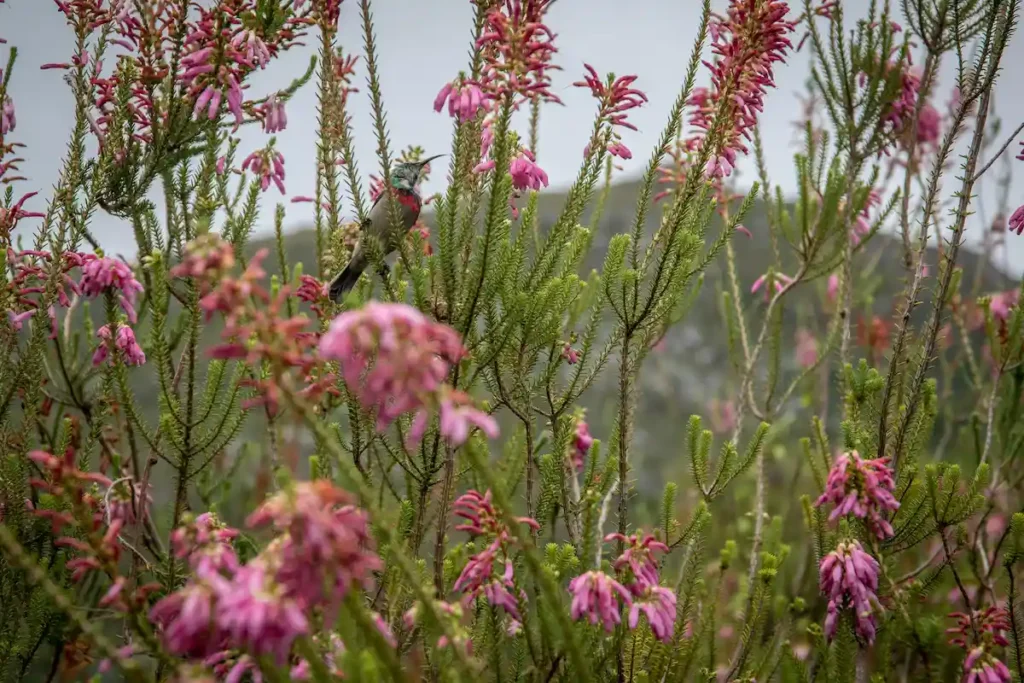
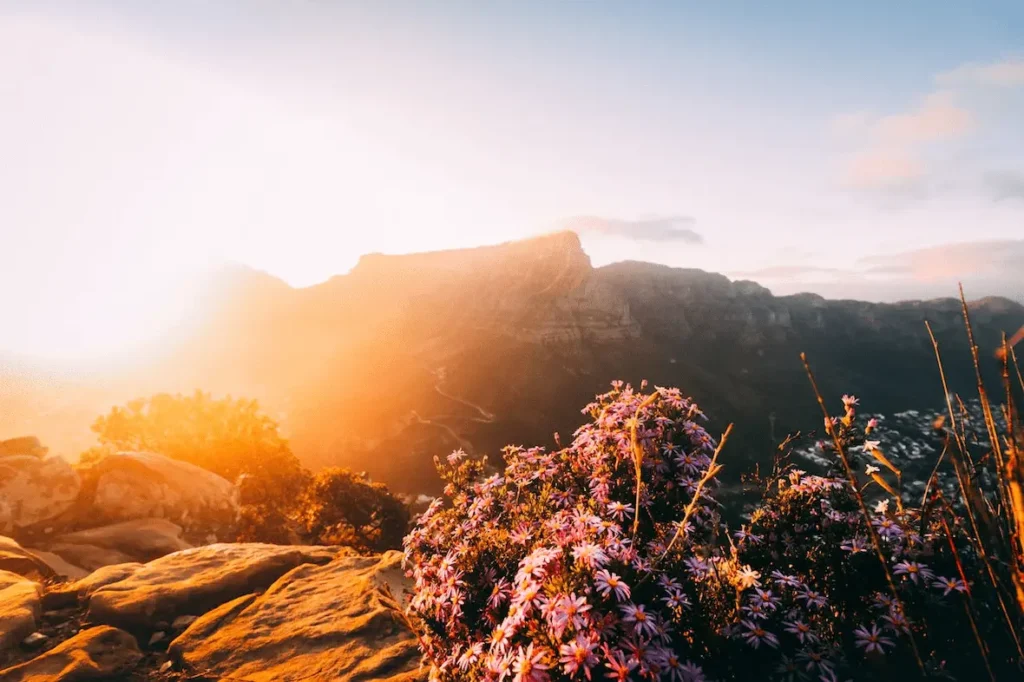
Higher up, the landscape shifts. Indigenous fynbos takes over. Hardy proteas cling to rocky ground, and seasonal flowers add unexpected colour to the rugged slopes. This is a biologically rich region, and it shows.
Look back often. Table Bay stretches endlessly north. On clear days, Robben Island floats on the horizon. And to the south, the suburbs roll gently towards False Bay. Few hikes deliver such uninterrupted perspectives as Devil’s Peak hiking does.
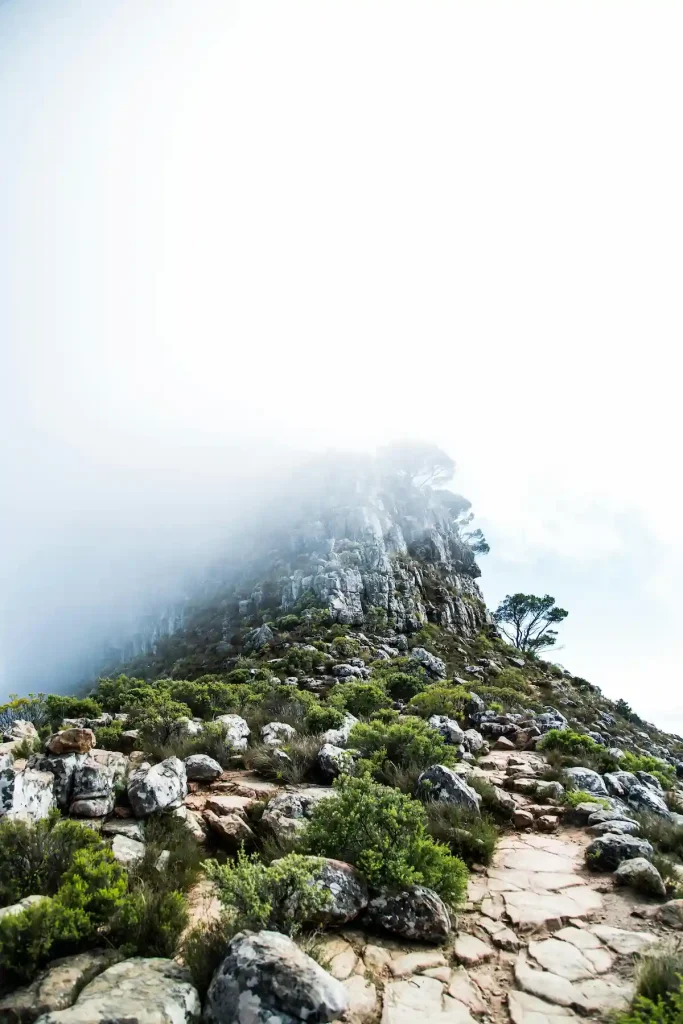
Near the summit, the terrain becomes stark. Wind-sculpted rock replaces soil. The air feels sharper. The city noise is gone. Standing on Devil’s Peak, Cape Town feels both close and impossibly far away.
This is the reward of the Devil’s Peak hike. Not just the view, but the feeling of earning it.
Safety Tips for Devils Peak Hiking


Devil’s Peak Cape Town is beautiful. But it’s not to be forgotten that this is a real mountain. Weather can shift, trails are informal, and conditions can change within minutes. Preparation is essential on every Devil’s Peak hike.
Start with the forecast. Wind is the biggest risk on Devil’s Peak, South Africa. Gusts can be intense, especially near the summit ridge. If strong winds are predicted, postpone your hike. Stability matters more.
Carry enough water. There are no streams on the upper slopes. Sun exposure is constant, even on cooler days. A hat, sunscreen, and layered clothing are non-negotiable for Devil’s Peak hiking.
Footwear matters. Trails are rocky and uneven. Grip is essential, particularly on steeper sections of Devil’s Peak hike start routes.
When it comes to navigation, signage is limited, and paths split off. Download offline maps before you go. And tell someone your planned route and expected return time. Moreover, avoid hiking alone if possible. But if you do go solo, stay on established trails.
Lastly, respect the mountain and respect the conditions. That’s how Devil’s Peak Cape Town remains an adventure, not a rescue call.
Best Time to Visit Devil’s Peak Cape Town
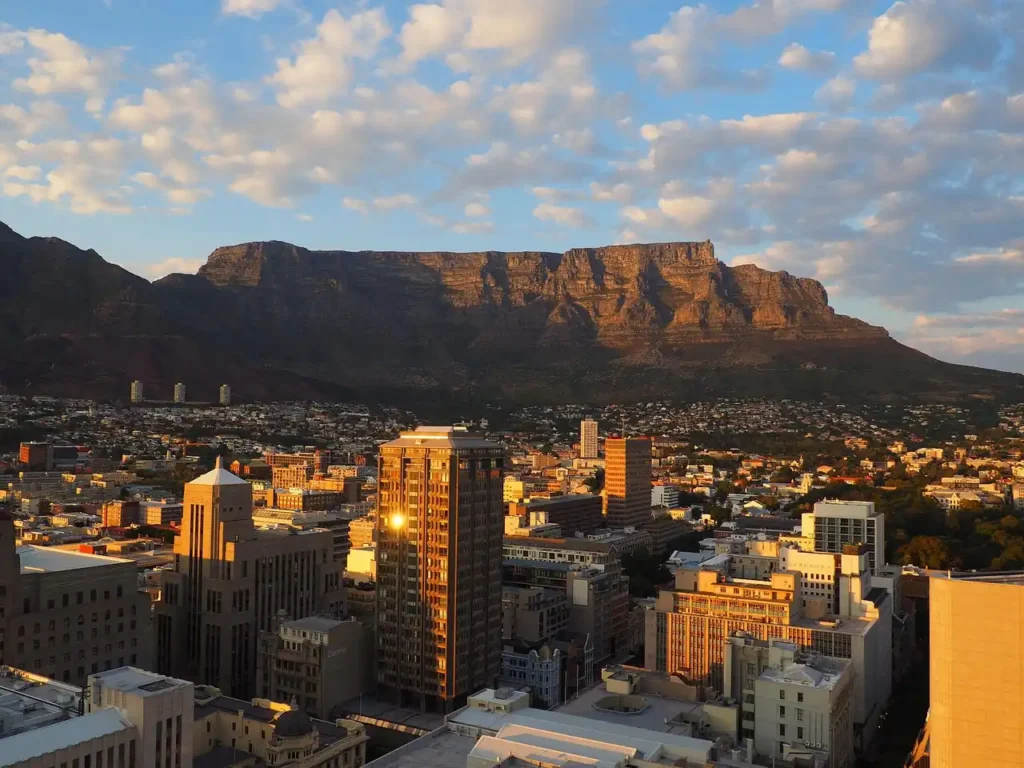
Timing shapes the entire experience. On Devil’s Peak Cape Town, it can mean the difference between magic and unnecessary strain.
The ideal months for a Devil’s Peak hike fall between late autumn and spring. From April to October, temperatures are cooler and visibility is often exceptional. The air is crisp. The climb feels manageable. And the views stretch endlessly across Table Mountain and the Atlantic Ocean.
Summer offers longer daylight hours. However, it also brings heat and strong winds. During this season, early morning starts are essential. By midday, the exposed slopes of Devil’s Peak South Africa can feel relentless, especially on steeper routes.
Winter introduces a quieter atmosphere. Rain and cloud can obscure the summit, and trails may become slippery. Yet on clear winter days, Devil’s Peak hiking delivers some of the most dramatic light of the year. The city glows below, and the mountain feels almost cinematic.
Time of day matters as much as season. Sunrise hikes are calm and cool, with Cape Town slowly waking beneath you. Sunset hikes are equally beautiful, but they require careful planning. Always allow enough daylight for a safe descent from Devil’s Peak.
Finally, watch the wind. Strong south-easterly conditions can turn an otherwise perfect day into a difficult one. At the summit of Devil’s Peak Cape Town, exposure is constant, and conditions change quickly.
After the Hike: Discover Devil’s Peak Beer


After the climb comes the reward. And in Cape Town, that reward often comes cold.
Named after the mountain itself, Devil’s Peak Beer has become a local favourite. Brewed in the city, it reflects the same character as Devil’s Peak Cape Town: bold, balanced, and uncomplicated.
Many hikers celebrate their Devil’s Peak hike with a visit to Devil’s Peak Brewing Company or one of the city’s many craft beer spots. It’s a ritual of sorts. Boots come off, legs are rested, and thirsts are quenched.
Opening Hours: Monday to Friday, 8 am to 5 pm.
Address: 66 Gunners Cir, Goodwood, Cape Town, 7460.
Website: https://signalhillproducts.com/devils-peak-beer/
Contact: +27 80 006 0066
Final Thoughts: Why Devil’s Peak Cape Town Belongs on Your Bucket List
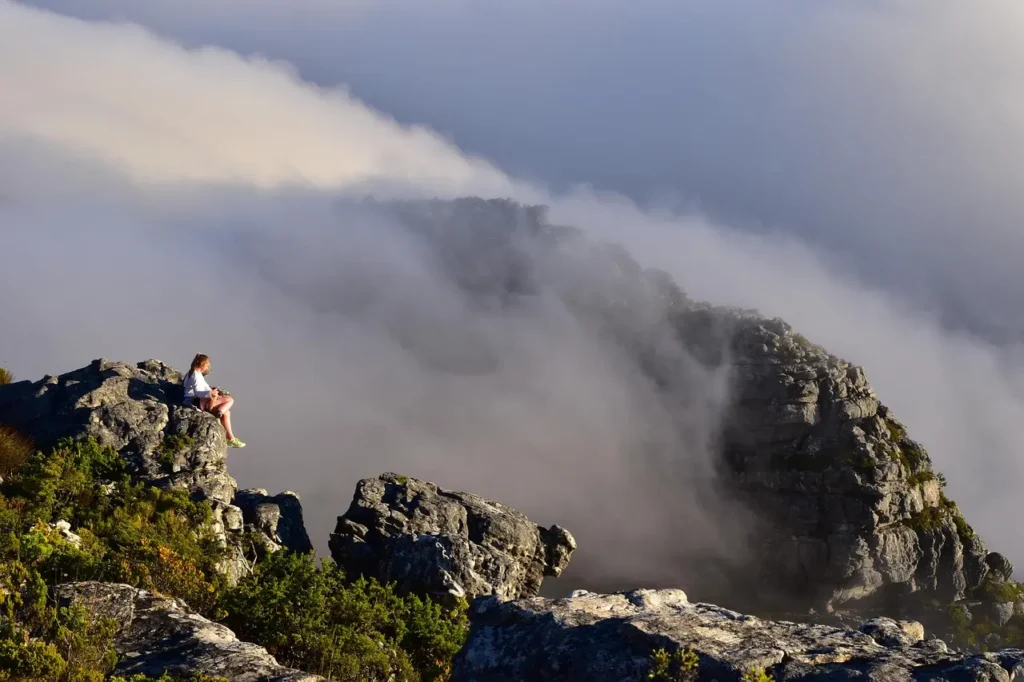
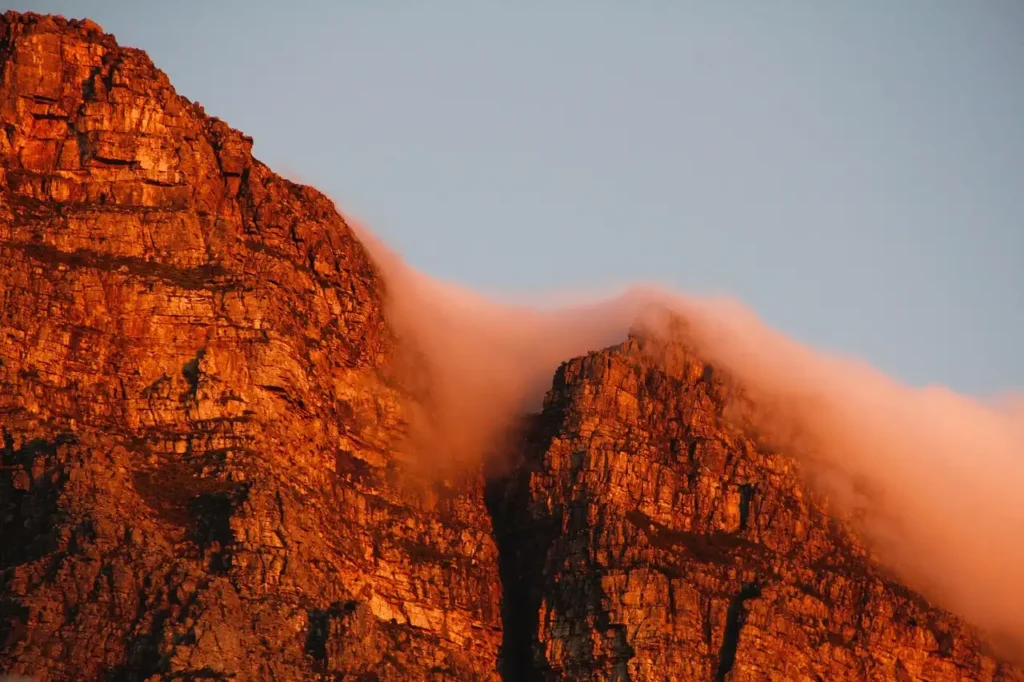
Some mountains impress from a distance. Others demand participation. Devil’s Peak Cape Town is the latter. It doesn’t offer shortcuts or spectacle without effort. Instead, it rewards those willing to climb with space, silence, and perspective.
For travellers seeking more than a postcard view, Devil’s Peak delivers something deeper. A connection to the land, a sense of scale, and a reminder that Cape Town’s wild heart still beats just beyond the city streets.
Devil’s Peak, Cape Town, offers a rare balance. Wild, yet accessible. Demanding, yet deeply rewarding. Every Devil’s Peak hike strips the city back and reveals Cape Town in its purest form. For those willing to climb, Devil’s Peak in South Africa delivers more than views. It offers perspective. And that, in the end, is what makes this mountain unforgettable.