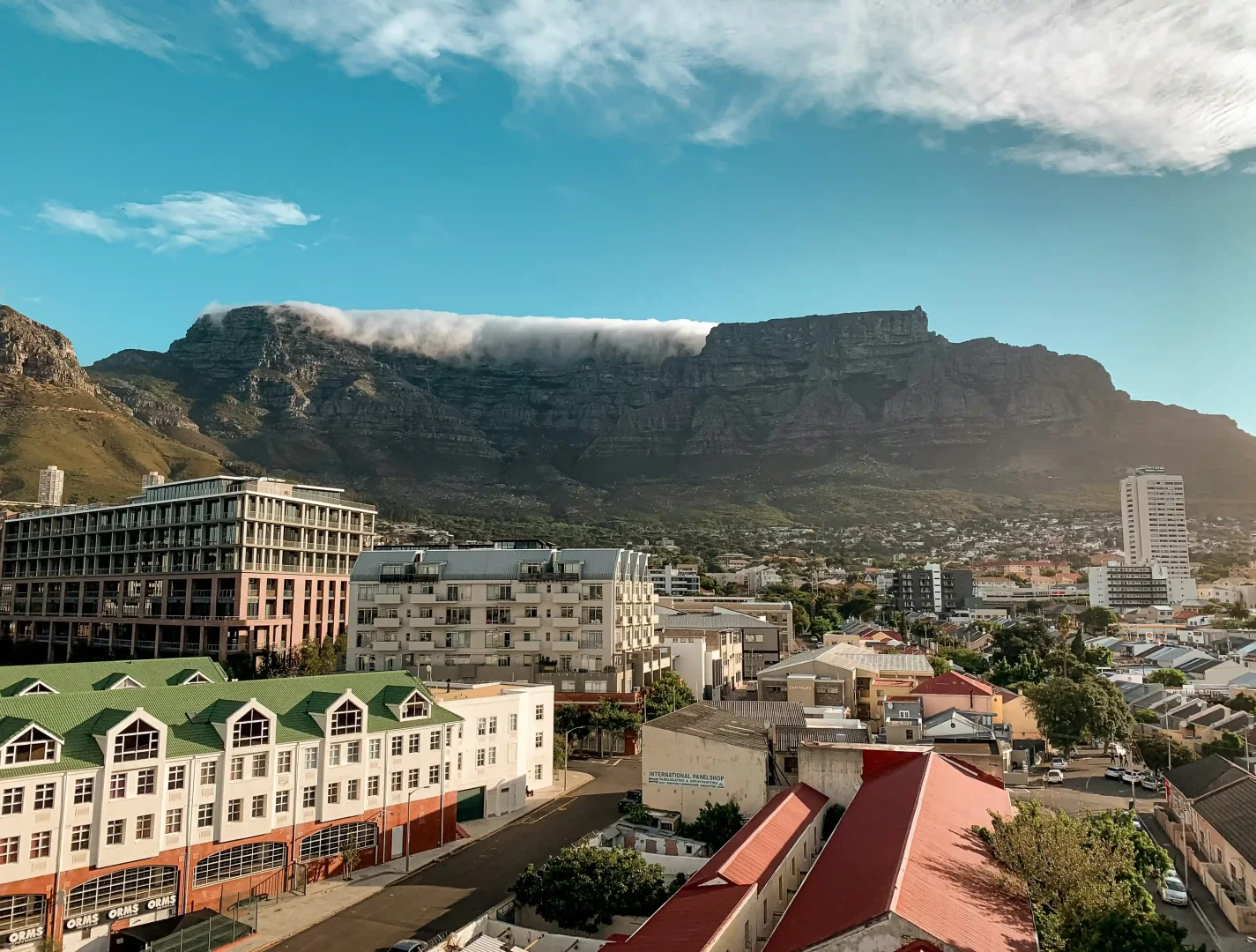

Cape Town is one of those cities where your neighbourhood can completely shape your trip. Want beachfront sunsets and cocktails? There’s a suburb for that. Prefer mountain views, cafés, and a more local feel? Cape Town has plenty of those too. Some areas are perfect for first-time visitors, while others suit families, digital nomads, surfers, or travellers on a budget.
The good news is that there’s no single “best” area, it really depends on the kind of experience you want. Some Cape Town neighbourhoods offer incredible beaches but come with higher prices. Others are more affordable and central, but further from the ocean. Safety, walkability, nightlife, and transport also vary from suburb to suburb. Here’s a breakdown of five of the best neighbourhoods to stay in Cape Town, comparing beaches, costs, safety, and the overall experience each area offers.
Sea Point – Best Overall for Most Travellers
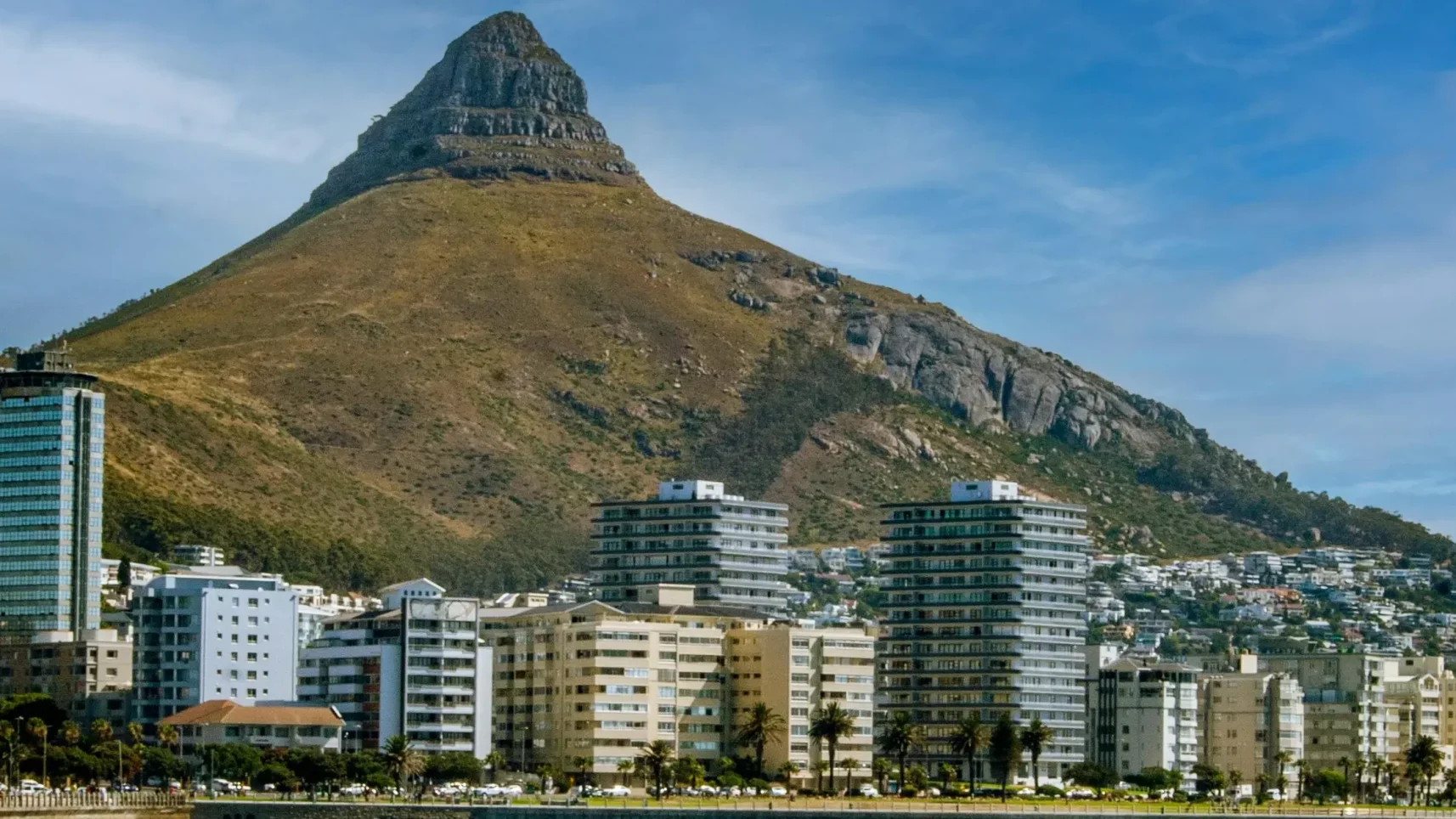

If you’re visiting Cape Town for the first time, Sea Point is probably the easiest and most balanced place to stay. It sits along the Atlantic Seaboard between the city centre and Camps Bay, making it incredibly convenient for sightseeing. Sea Point is known for its famous Sea Point promenade, ocean views, cafés, restaurants, gyms, supermarkets, and apartment-style accommodation. It’s one of the few areas in Cape Town where you can comfortably walk around for most of the day, especially along the beachfront. Many travellers love it because it feels lively without being overly touristy. Now let’s talk about beaches. Sea Point itself doesn’t have large sandy beaches, but Saunders Rock tidal pool and nearby Clifton beaches are only minutes away.
Camps Bay is also a short Uber ride. What about the cost? Sea Point offers good value compared to more luxurious beachfront areas. You’ll find everything from backpackers and Airbnb apartments to upscale hotels with a good balance of luxury and budget deals. When it comes to safety, it’s generally considered one of the safer and more active neighbourhoods for tourists, particularly around the promenade and main roads. Like anywhere in Cape Town, basic awareness is still important. The experience in Sea Point works for almost everyone, couples, solo travellers, digital nomads, families, and even long-term visitors. It has a local energy that feels authentic while still being tourist-friendly.
Camps Bay – Best for Beaches and Luxury
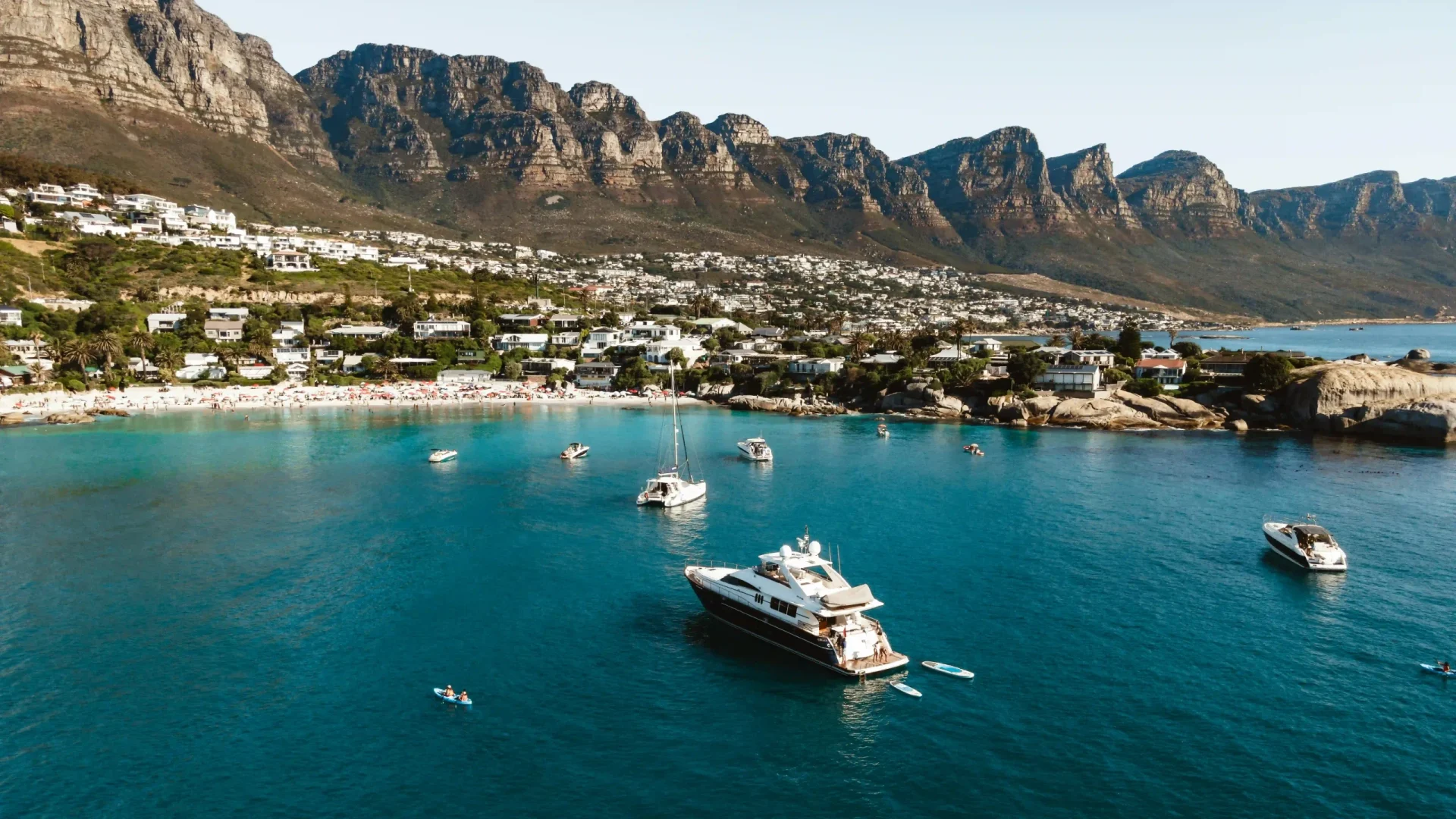
Camps Bay is Cape Town’s postcard neighbourhood. Think palm-lined beachfront roads, white sand beaches, luxury villas, and dramatic mountain backdrops. If you’ve seen photos of Cape Town sunsets on Instagram, there’s a good chance they were taken here. This suburb is all about lifestyle. Restaurants and bars line the beachfront strip, while the beach itself becomes one of the city’s busiest social spots during summer. This is where Camps Bay really wins. The beach is one of the best in South Africa, and nearby Clifton beaches are equally stunning. The cost in Camps Bay are expensive. Accommodation prices are among the highest in Cape Town, especially during summer. Restaurants and nightlife also cost more here.
The area is relatively safe for tourists, particularly around busy beachfront areas and hotels. However, it’s quieter late at night outside the main strip, so transport is still recommended after dark. Experience If your dream Cape Town holiday includes beach clubs, cocktails, luxury apartments, and sunset dinners, Camps Bay is perfect. It’s especially popular with honeymooners, groups, and luxury travellers. The downside? It can feel slightly disconnected from local city life, and summer traffic into town can be frustrating.
Gardens and Tamboerskloof – Best for Food, Cafés, and City Life


For folks who want a more creative, local, and central Cape Town experience, Gardens and neighbouring Tamboerskloof are fantastic options. Located on the slopes below Table Mountain, these suburbs are filled with cafés, boutique hotels, galleries, restaurants, and old Victorian homes. Kloof Street is one of the city’s biggest attractions, packed with trendy spots to eat and drink. You’re not directly on the coast, but Camps Bay and Clifton are only about 15 to 20 minutes away by car. This area offers better value than Camps Bay or the Waterfront and is very close to clubs, bars and activities in the city, with a wide mix of guesthouses, apartments, and boutique stays.
Gardens is generally considered safe in busy areas, although visitors should still avoid walking alone late at night in quieter streets. Many travellers like the neighbourhood because it feels residential and active during the day. Gardens suits foodies, creatives, remote workers, and people who enjoy cafés and nightlife more than beach days. It feels more “lived in” than some of the purely tourist-focused suburbs. If you want quick access to restaurants, hiking trails, museums, and the city centre, this is one of the best places to stay.
V&A Waterfront – Best for Safety and Convenience
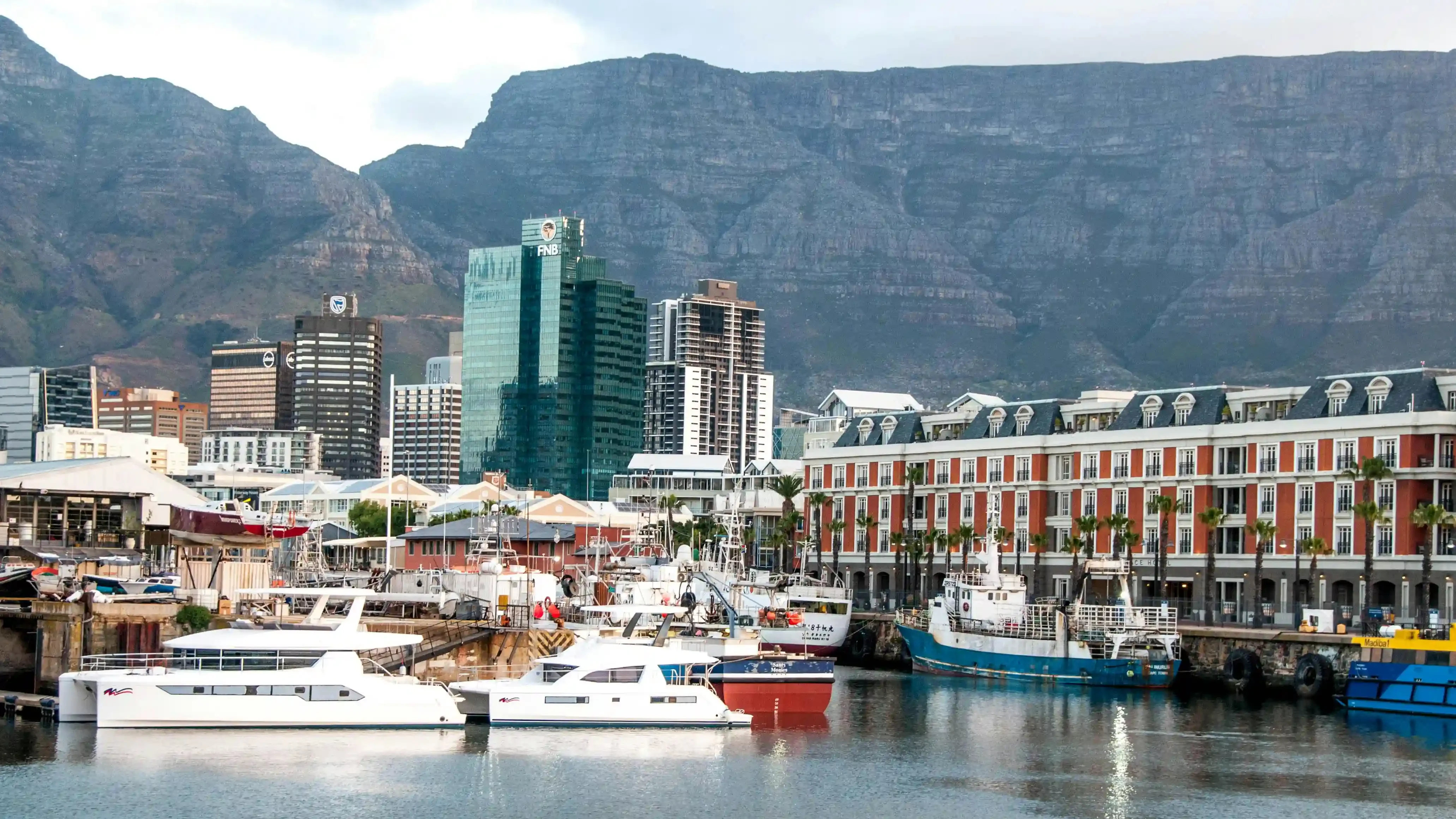
If convenience is your top priority, the V&A Waterfront is hard to beat. It’s one of the most secure and tourist-friendly areas in Cape Town, with hotels, restaurants, shopping, museums, and attractions all within walking distance. Right next door, De Waterkant offers a more stylish and boutique-style experience, with colourful streets, cafés, rooftop bars, and trendy apartments. There are no swimming beaches directly here, but Sea Point and Camps Bay are nearby. The Waterfront is one of the more expensive areas in Cape Town, especially for hotels. De Waterkant can sometimes offer slightly better value while keeping the same central location.
The V&A Waterfront is widely considered one of the safest areas for tourists in Cape Town because of private security and heavy foot traffic. It’s the easiest place to stay if you want everything close by and a lot of activities to do. It’s ideal for families, first-time visitors, and travellers without a car. The atmosphere is polished and modern, though some visitors find it slightly less authentic than neighbourhoods like Gardens or Kalk Bay.
Kalk Bay and the Deep South – Best for a Relaxed Local Experience
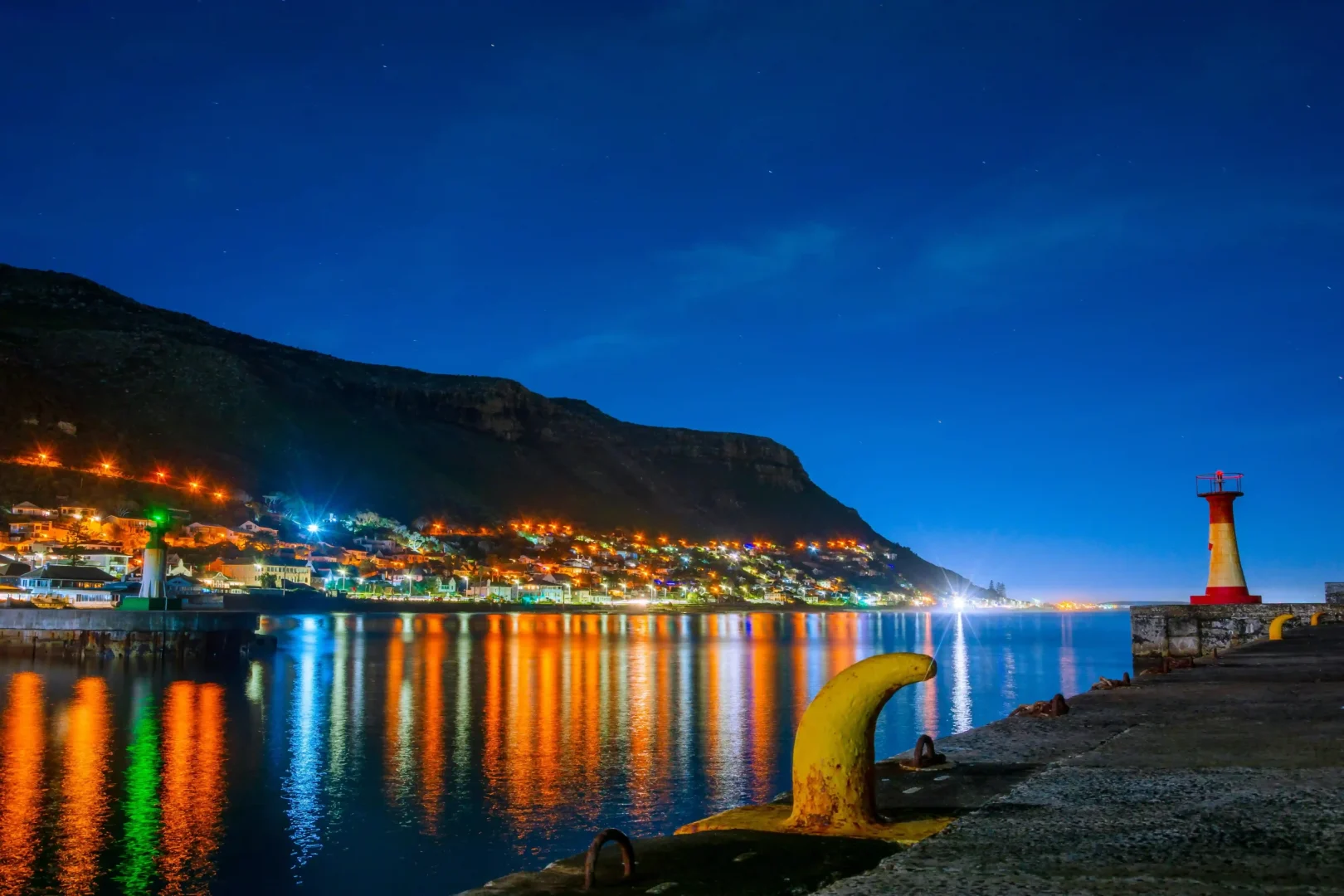
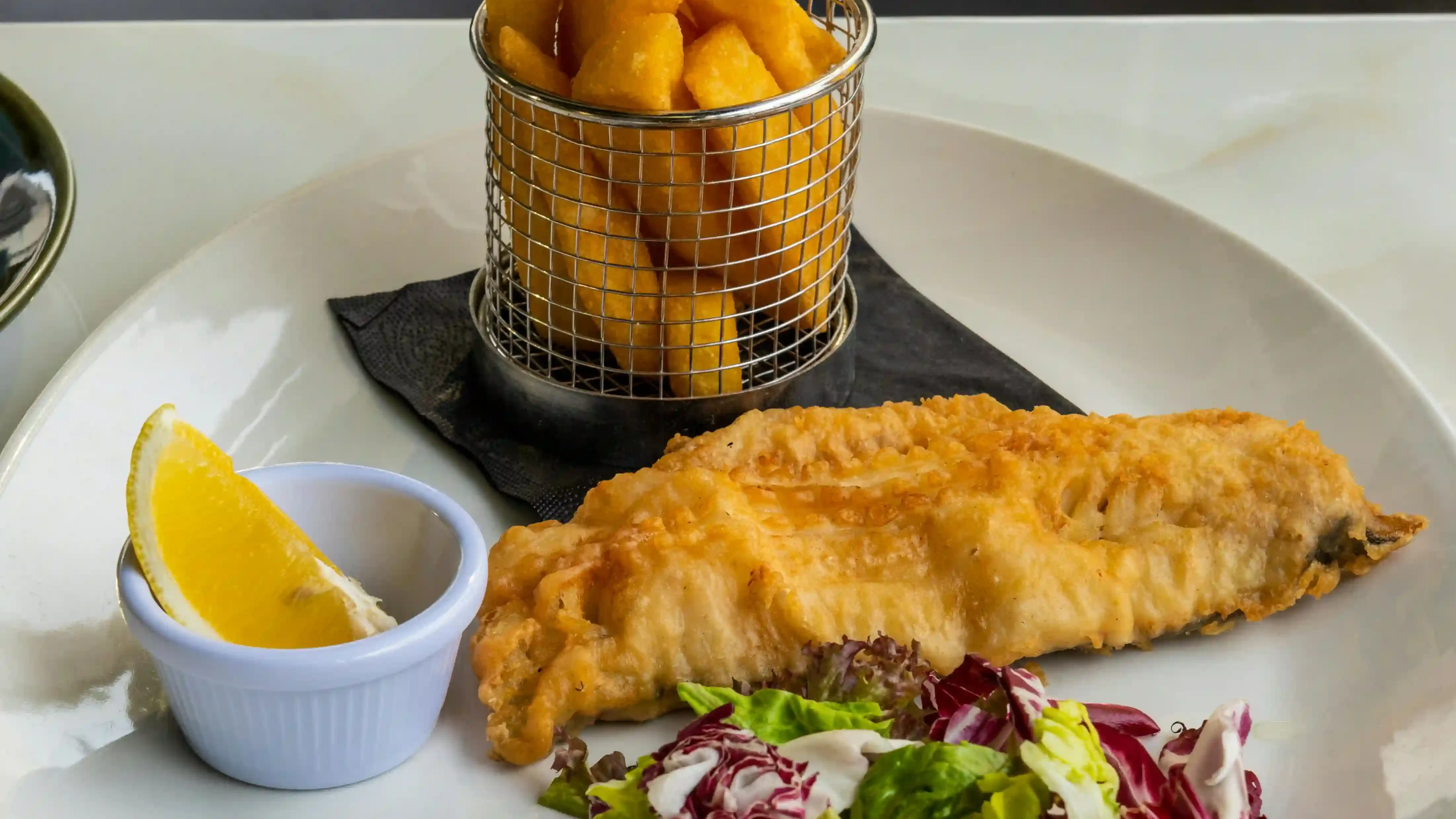
If you want a slower, more scenic side of Cape Town, head south. Areas like Kalk Bay, Simon’s Town, and Noordhoek offer a completely different atmosphere from the city centre. These seaside villages are known for small cafés, tidal pools, mountain views, surfers, and coastal living. You’ll find fewer tourists and a stronger small-town feel. The Deep South has some incredible beaches, especially for surfing and long walks. Muizenberg is famous for beginner surfing, while Noordhoek offers huge stretches of sand. Prices vary, but many areas here are more affordable than the Atlantic Seaboard.
Most visitors feel comfortable in these quieter coastal towns, although distances between attractions are larger and driving is often necessary. This is the perfect area for travellers who prefer nature, surf culture, cafés, and a slower pace. It’s less about nightlife and more about scenery and relaxation. The only real downside is the distance getting into the city centre can take time, especially during peak traffic.
Cape Town has a neighbourhood for every kind of traveller. If you want the best all-round experience, Sea Point is hard to beat thanks to its mix of safety, convenience, value, and ocean views. Camps Bay is ideal for luxury beach holidays, while Gardens offers a more creative and local city atmosphere. For travellers focused on safety and convenience, the V&A Waterfront is a strong option, especially for first-time visitors.
And if you’d rather experience a quieter, coastal lifestyle, Kalk Bay and the Deep South offer a more relaxed side of Cape Town that many visitors fall in love with. No matter where you stay, Cape Town’s biggest advantage is variety. Within a short drive, you can move from beaches and mountains to vineyards, nightlife, surfing towns, and world-class restaurants, which is exactly what makes the city such an unforgettable destination.
Visitors can experience Cape Town’s nightlife through energetic clubs, rooftop bars, live music venues, beachside lounges, and entertainment districts that remain busy throughout weekends, especially in Long Street and Camps Bay.
Cape Town is known for outdoor adventures, including hiking Table Mountain, visiting nearby wine estates, surfing along the Atlantic coastline, exploring nature reserves, taking boat trips, and enjoying cultural experiences throughout the city and surrounding areas.
Cape Town offers a diverse dining scene featuring fresh seafood, local South African dishes, international cuisine, fine dining establishments, beachfront restaurants, and casual cafés located in popular areas like Camps Bay, Sea Point, and the Waterfront.
Cape Town’s bars range from sophisticated cocktail lounges and rooftop venues in the city centre to relaxed beachfront spots along the coast and wine bars in the winelands, offering craft cocktails, local wines, scenic ocean views, and vibrant social atmospheres for visitors.