

Cape Town is it safe? This is one of the most common questions travellers ask before visiting the city. And understandably so. Safety matters. Especially when planning a trip far from home.
So, is Cape Town safe for tourists? The short answer is yes. However, like many major cities, safety depends on where you go, when you go, and how you travel.
This guide explains how safe Cape Town is, highlights key Cape Town safety concerns, and shares practical advice. As a result, you can plan with confidence. And more importantly, enjoy everything the city has to offer.
Understanding Safety in Cape Town



Safety in Cape Town is often misunderstood. This is largely due to the prevalence of news headlines. However, the full picture is more balanced.
Like many global cities, Cape Town has areas that are very safe. At the same time, there are places where visitors need to be more cautious. As a result, Cape Town travel safety depends heavily on location, timing, and awareness.
It is also important to note that most crime does not target tourists directly. Instead, petty crime in Cape Town, such as pickpocketing or bag snatching, is more common. These incidents usually occur in busy areas or when valuables are visible.
That said, Cape Town safety concerns should not be ignored. Inequality and unemployment contribute to crime in certain areas. Because of this, visitors are encouraged to plan ahead and follow local advice.
Overall, how safe is Cape Town? For most travellers, the experience is positive. With basic precautions, exploring the city is both enjoyable and safe. Therefore, understanding the local context is the first step to travelling confidently.
Safest Areas to Stay in Cape Town



Choosing the right area matters. It plays a major role in Cape Town safety for visitors. Fortunately, the city offers several well-known neighbourhoods where tourists feel comfortable and secure.
First, the V&A Waterfront is one of the most popular options. It’s well lit, busy throughout the day, and it has visible security. As a result, the V&A Waterfront is safe, especially for first-time visitors.
Next, Sea Point and the Atlantic Seaboard are also popular. These areas are lively and walkable during the day. In addition, they offer easy access to restaurants and beaches. So, is Sea Point safe? Generally, yes. However, visitors should still stay alert, particularly at night.
Camps Bay is another sought-after area. It’s known for its beach, views, and hotels. Because it’s tourist-focused, security is strong. For this reason, many travellers ask, is Camps Bay safe? Overall. It’s considered one of the safe neighbourhoods in Cape Town.
Other recommended areas include parts of the City Bowl and Green Point. These locations are central and well serviced. As a result, they are often listed among the safest areas to stay in Cape Town.
In summary, staying in well-known neighbourhoods makes a difference. It improves convenience. But more importantly, it supports a safer and more relaxed visit.
Areas to be Cautious in or Avoid

Every major city has areas that require extra care. Cape Town is no different. Knowing where to be cautious helps visitors stay safe.
Some parts of Cape Town city centre are very busy during the day. However, they can feel different at night. This often leads visitors to ask, is Cape Town city centre safe? During the daylight hours, popular streets are generally fine. After dark, caution is advised.
Long Street is another area that raises questions. While it’s know for its nightlife, petty crime can occur late at night. So, is Long Street Cape Town safe? It can be, but visitors should avoid walking alone and remain alert.
Visitors should also avoid unaccompanied travel in parts of the Cape Flats, located southeast of the city. These areas experience some of the highest crime rates. For this reason, they are commonly listed among the areas to avoid in Cape Town.
This includes Nyanga, Khayelitsha, and Mitchells Plain, which face ongoing challenges with crime. Gugulethu and Langa are culturally significant areas. However, they should only be visited as part of a guided township tour.
Other neighbourhoods, such as Manenberg, Delft, Philippi, Hanover Park, and Bonteheuwel, are also affected by crime and are not suitable for tourists.
In addition, walking around Cape Town at night in unfamiliar or quiet areas should be avoided. Instead, visitors should use trusted transport and follow local advice.
In short, awareness makes a difference. By planning ahead, Cape Town safety for visitors improves significantly.
Common Safety Risks for Tourists

Most visits to Cape Town are trouble-free. However, it’s still important to understand the most common risks.
Most incidents involve petty crime in Cape Town. This includes pickpocketing, bag snatching, and phone theft. These incidents often occur in crowded areas or when valuables are visible. As a result, pickpocketing in Cape Town is one of the main concerns for visitors.
Vehicle-related crime can also occur. This includes smash-and-grab incidents at traffic lights. Because of this, travellers should remain alert when driving and avoid driving in high-crime areas.
Overall, understanding the risks helps reduce them. With awareness and basic precautions, Cape Town travel safety remains manageable.
Safety Tips for Tourists Visiting Cape Town



Good planning improves safety. Simple habits make a real difference, allowing you to have a positive experience.
First, stay aware of your surroundings. Avoid displaying valuables in public. This helps reduce the risk of petty crime in Cape Town.
Next, choose accommodation in well-known areas. Staying in the safest areas to stay in Cape Town supports overall Cape Town safety for visitors. It also makes getting around easier as the safe neighbourhoods in Cape Town tend to be centrally located.
In addition, plan your transport in advance. Avoid walking alone at night. Instead, use trusted services. This is especially important when getting around Cape Town safely.
When exploring, follow local advice. Hotel staff and tour operators offer valuable insight. As a result, staying safe while visiting Cape Town becomes far easier.
It’s also wise to keep copies of important documents. Store them separately from originals. This adds peace of mind while travelling.
Finally, trust your instincts. If a situation feels uncomfortable, leave the area. With these practical Cape Town safety tips, you can explore confidently and responsibly.
Getting Around Cape Town Safely


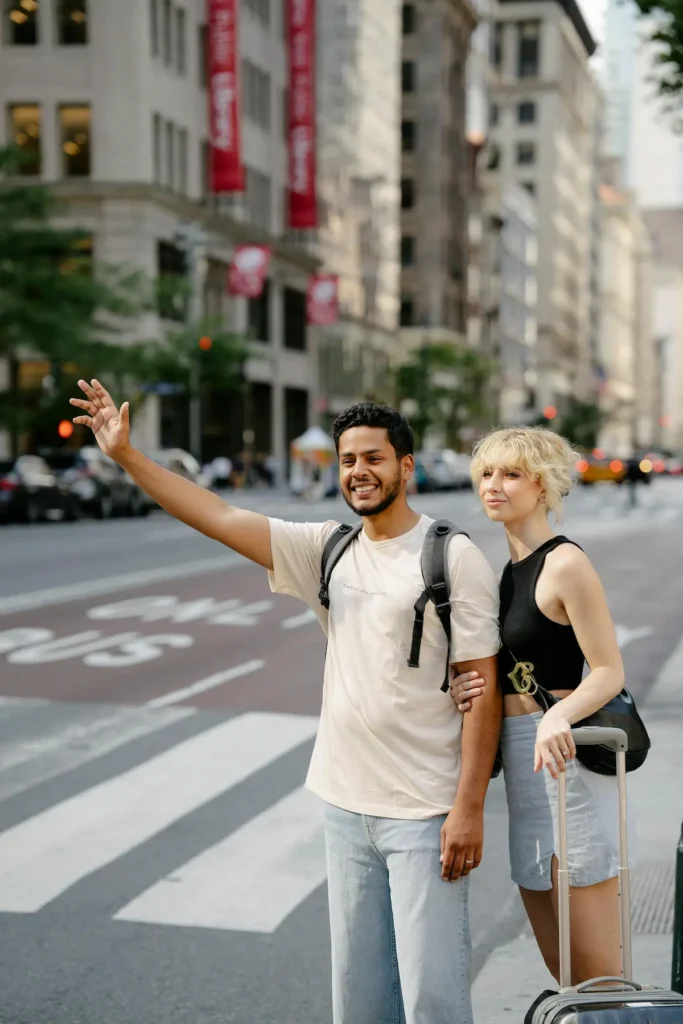
Getting around safely is an important part of any visit. Fortunately, Cape Town offers several reliable options.
For most visitors, ride-hailing services are the easiest choice. Many travellers ask about using Uber safely in Cape Town. Overall, it’s widely used and considered reliable. Still, travellers should confirm driver details and avoid sharing rides with strangers.
Self-driving is also popular. Roads are generally good and well signposted. However, drivers should remain alert. Keep windows closed in traffic and avoid leaving valuables visible. These steps support Cape Town travel safety.
Public transport options are limited for tourists. Minibus taxis and trains are used by locals. However, they are not recommended for visitors unfamiliar with the city.
Walking is best done during the day. Stick to busy, well-lit areas. This is especially important in city centres and tourist zones.
For longer distances, organised tours are a good option. They provide local knowledge and added security. This approach is ideal for first-time visitors.
Solo, Female & Family Travel Safety



Cape Town welcomes many different travellers. This includes solo visitors, women, and families. For each group, safety looks slightly different.
For solo travellers, planning is key. Staying in central areas and using trusted transport helps. As a result, solo travel Cape Town safety improves significantly. Many solo visitors explore the city confidently by following basic precautions.
Female travellers also visit Cape Town in large numbers. Overall, female travel safety in Cape Town is similar to other major cities. Awareness is important. Avoid isolated areas at night. In addition, trust your instincts and seek local advice when unsure.
Families often ask about travelling with children. So, is Cape Town safe for families? In general, yes. Family-friendly areas, attractions, and accommodations are well established. Choosing reputable hotels and organised activities adds an extra layer of comfort.
First-time travellers may feel uncerntain at first. This is normal. However, with planning and guidance, Cape Town is safe for first-time visitors.
In short, different travellers have different needs. Still, the same principles apply. Awareness, preparation, and smart choices support Cape Town safety for visitors across all travel styles.
So, Cape Town is it safe? For most visitors, the answer is yes. While Cape Town safety concerns do exist, they are manageable. Staying in well-known areas and following local advice makes a clear difference. In the end, Cape Town safety comes down to informed choices. By staying alert and prepared, travellers can explore more confidently. And most importantly, experience everything the city has to offer.