
South African Travel News: Commuting and FlySafair Update

For many South Africans, the day starts long before they arrive at work. It begins in slow-moving traffic, behind the steering wheel, with coffee in one hand and the morning radio filling the silence. Hours spent on the road have become a familiar part of everyday life—and according to new global research, no one spends more time commuting than South Africans.
At the same time, South Africa’s aviation industry is undergoing significant change, with the country’s busiest low-cost airline moving a step closer to new ownership. Together, these developments paint an interesting picture of how people are travelling across the country, whether by road or by air.
South Africans top the world’s commuting rankings
A new international study commissioned by UK automotive marketplace AutoTrader has found that South African motorists spend more time commuting than drivers in any other country surveyed.
On average, local commuters spend 10 days, 4 hours and 48 minutes every year simply travelling to and from work. That’s well above the global average of just over eight days annually.
South Africa narrowly ranks ahead of India, while Ireland takes third place. Although Australian drivers recorded the world’s longest average daily commute, South Africans ultimately spend the most total time behind the wheel over the course of a year.
Why the daily drive takes so long
The figures reflect more than just busy roads. South Africa’s cities continue to grow, with many residents travelling long distances between where they live and where they work.
Unlike several European countries that benefit from extensive rail and public transport networks, South African commuters often have few alternatives to driving. Rising fuel prices, expanding urban areas and limited transport infrastructure all contribute to lengthy daily journeys.
The research also highlights how commuting habits differ globally. In countries such as the Netherlands and the United Kingdom, efficient public transport helps reduce time spent in traffic. Meanwhile, drivers in Germany and France tend to save most of their mileage for leisure travel and holiday road trips rather than everyday commuting.
For visitors travelling around South Africa, these realities also serve as a reminder to allow extra travel time, particularly during weekday rush hours in major cities such as Cape Town, Johannesburg and Durban.
FlySafair moves closer to new ownership
South Africa’s aviation sector is also seeing important developments.
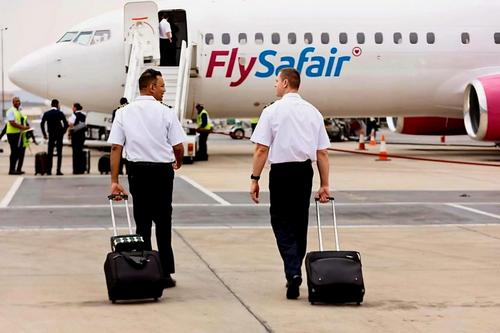
The Competition Commission has recommended approval of infrastructure investment firm Harith General Partners’ proposed acquisition of FlySafair, one of the country’s busiest domestic airlines. The transaction still requires final approval from the Competition Tribunal before it can be completed.
FlySafair currently operates more than 60% of South Africa’s domestic airline seat capacity, making the decision significant for the country’s aviation market.
Conditions aim to protect competition
The Commission attached several conditions to its recommendation, including measures designed to ensure fair competition between airlines.
Because Harith also owns a stake in Lanseria International Airport, regulators want to ensure that airport services remain available to all airlines on fair and non-discriminatory terms. The agreement also includes safeguards around information sharing between businesses.
The proposed ownership change follows regulatory concerns raised in 2024 regarding FlySafair’s ownership structure and South Africa’s local ownership requirements for domestic airlines.
What it means for travellers
For passengers, the proposed acquisition is not expected to affect current FlySafair operations or flight schedules in the immediate future.
If approved, the investment could provide greater long-term stability for one of South Africa’s most popular low-cost carriers while ensuring it complies with local aviation regulations. Competition authorities will continue overseeing the process before any ownership changes take effect.
Travel in South Africa continues to evolve
Whether it’s spending hours on the country’s roads or flying between its major cities, South Africans remain among Africa’s most active travellers.
As transport infrastructure evolves and the aviation sector continues to adapt, both commuters and holidaymakers will be watching closely to see how these changes improve the way people move around the country. For now, one thing is certain: planning ahead—whether for the morning drive or the next domestic flight—remains one of the best ways to make every journey a little smoother
Source:https://iol.co.za
Source:https://www.moneyweb.co.za