
South Africa tourism infrastructure
Freshly painted buildings, upgraded visitor facilities and new tourism experiences have the potential to breathe new life into small towns across South Africa. But as several government-funded tourism projects prepare to open their doors, one question is becoming increasingly important: what happens after the ribbon is cut?
Industry leaders and tourism stakeholders agree that while investing in infrastructure is an important first step, attracting visitors, creating jobs and building sustainable businesses will require careful planning long after construction crews have left.
New community tourism projects await their next chapter
Three community tourism developments have now been completed through the Department of Tourism’s infrastructure programme.
The projects include Nyandeni Chalets in the Eastern Cape, the Lehurutse Trophy and Bird Hunting Camp in North West, and the Isibhubhu Event Facility in KwaZulu-Natal.
Although construction has finished, visitors are still waiting for confirmation on when the facilities will officially open, who will operate them and what plans are in place to attract guests.
These unanswered questions have sparked debate across South Africa’s tourism sector, with many arguing that successful destinations require far more than attractive buildings.
Tourism experts say infrastructure alone is not enough
Tourism businesses depend on visibility, accessibility and strong marketing.
Industry representatives have pointed out that without booking systems, websites, social media platforms and partnerships with tour operators, even the most impressive tourism facilities can struggle to attract visitors.
The Democratic Alliance has questioned whether the projects have clear return-on-investment targets, noting that measuring success purely through community benefit may not be enough to ensure long-term sustainability.
Instead, tourism specialists believe performance indicators such as visitor numbers, occupancy rates, local employment and economic impact should also form part of the evaluation process.

Digital visibility has become essential
Today’s travellers often discover destinations online long before they arrive.
From accommodation bookings to Google searches and social media recommendations, digital presence plays a significant role in tourism decisions.
Industry stakeholders argue that community-owned tourism projects should receive support beyond construction by investing in websites, online booking platforms, destination marketing and digital training.
Without those tools, many believe the projects could struggle to compete in an increasingly digital tourism marketplace.
Building experiences, not just facilities
SATSA has welcomed continued investment in community tourism, saying it creates opportunities to diversify South Africa’s visitor experiences while spreading tourism benefits into rural areas.
However, the organisation believes construction represents only one stage of the journey.
For tourism products to thrive, they need experienced management, access to domestic and international travel trade networks, ongoing destination marketing and reliable operational plans. These elements help transform infrastructure into businesses capable of generating income for local communities over the long term.

New flights strengthen South Africa’s global connections
While discussions continue around community tourism, South Africa has received encouraging news on the international travel front.
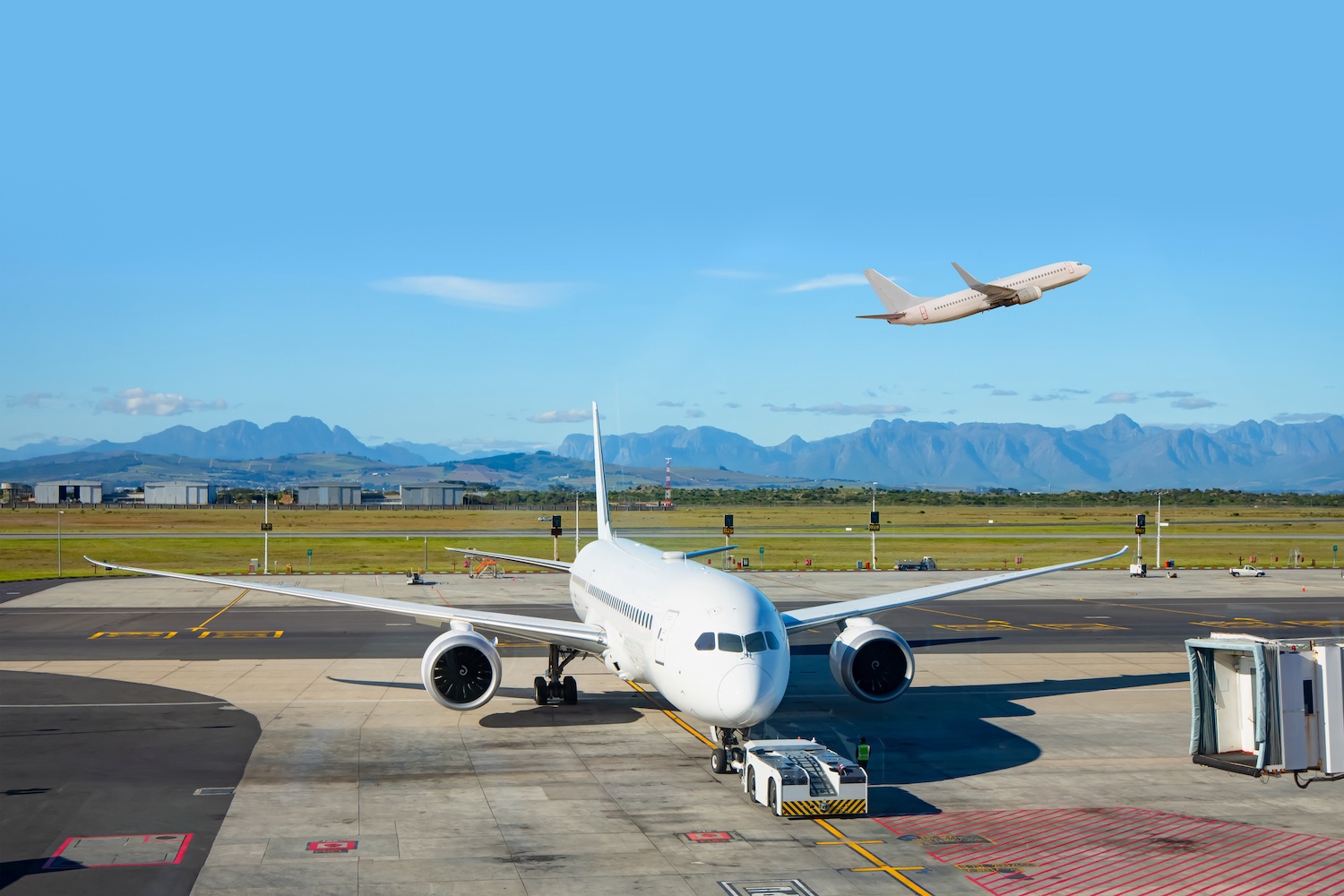
On 2 July, LATAM Airlines celebrated the launch of its new direct route between São Paulo and Cape Town, marking another important milestone for international tourism.
The service will operate three times a week, with flights departing Cape Town on Mondays, Thursdays and Saturdays, and return services leaving São Paulo on Wednesdays, Fridays and Sundays.
The new connection is expected to make travel between South Africa and Brazil more convenient for both leisure and business travellers.
Brazil emerges as a growing tourism market
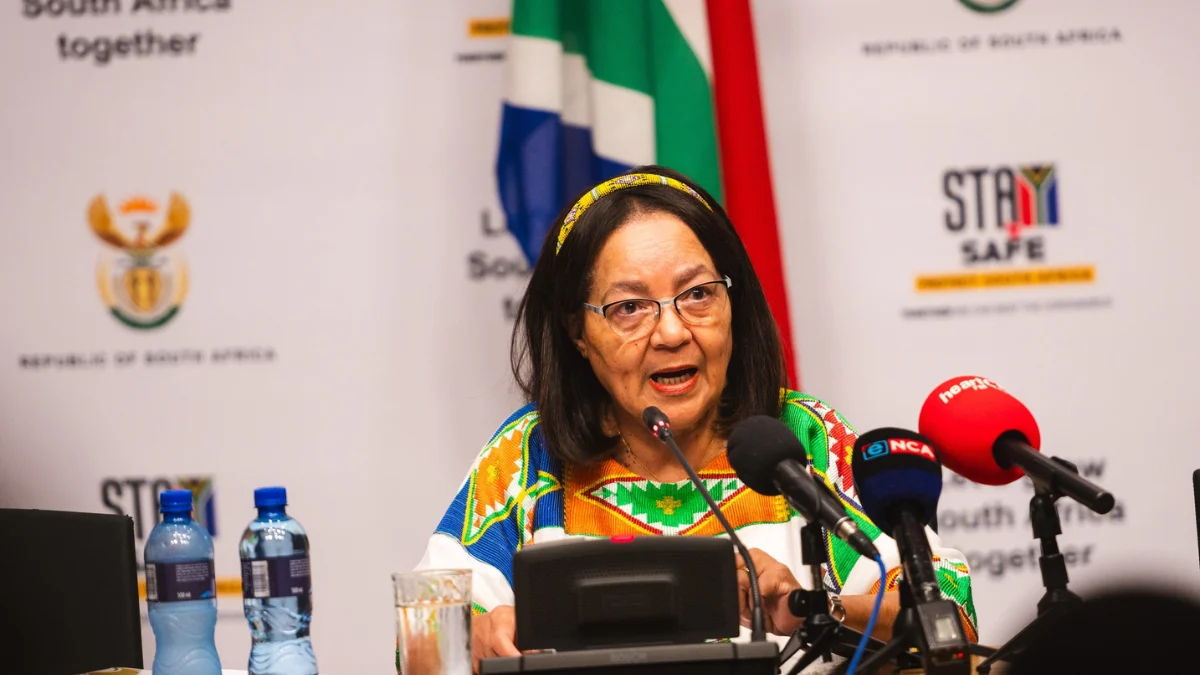
Speaking during the inaugural celebrations, Tourism Minister Patricia de Lille described the new air route as part of South Africa’s wider strategy to improve international air access.
Brazil has become one of South Africa’s fastest-growing tourism markets, with 29,920 Brazilian visitors arriving between January and May 2026—an increase of 32% compared with the same period last year.
South African Tourism is also partnering with LATAM Airlines on joint marketing campaigns and travel packages aimed at introducing more Brazilian travellers to destinations across the country.
For Cape Town and the wider tourism industry, improved connectivity opens new opportunities to welcome visitors from South America’s largest economy.

The future depends on what comes next
South Africa’s tourism sector continues to invest in both infrastructure and international connectivity, creating fresh opportunities for destinations across the country.
New community tourism facilities have the potential to create jobs, preserve local culture and attract more visitors—but only if they are supported by effective management, digital marketing and sustainable business plans. At the same time, expanded international air routes like LATAM’s Cape Town–São Paulo service demonstrate that global confidence in South Africa as a travel destination continues to grow.
Together, these developments highlight an important reality: successful tourism is built not only through new infrastructure or new flights, but by creating memorable visitor experiences that keep travellers coming back.
Source: https://www.tourismupdate.com
Source : https://www.news24.com