


The excitement of planning a South African adventure often starts weeks before departure. Flights are booked, itineraries are mapped out and travellers count down the days before experiencing the country’s landscapes, wildlife and vibrant cities. Now, there is one more step to complete before the journey begins.
South Africa has introduced a mandatory online traveller declaration for everyone entering or leaving the country. The new requirement comes at a time when Cape Town continues to attract growing numbers of international visitors, while tourism stakeholders are also keeping a close eye on wider developments that could influence traveller confidence across the region.
South Africa’s new online travel declaration is now mandatory

From 1 July 2026, all travellers entering or leaving South Africa by air, land, sea or rail are required to complete an online traveller declaration before travelling.
The declaration is completed through the South African Traveller Management System (SATMS), which was first introduced as a pilot programme in 2022 before being expanded nationwide.
According to the South African Revenue Service (SARS), the digital system is intended to strengthen data integration while improving the monitoring, analysis and reporting of cross-border travel activities.
Travellers are required to complete the declaration within 24 hours before departing from the country they are travelling from.
The declaration forms part of the customs process and helps travellers declare goods, currency and other relevant items before arriving at a South African port of entry or departure.
Travellers will not be turned away
When the new rule was announced, many travellers questioned what would happen if they were unable to complete the declaration before travelling.
SARS has since clarified that travellers will not be denied entry into or departure from South Africa simply because they did not complete the online declaration in advance.
Instead, Customs officials will assist passengers using self-service declaration terminals available at ports of entry and departure.
Travellers who experience internet problems, technical failures or other reasonable circumstances preventing them from completing the declaration online will also receive assistance. In limited situations, paper declarations may still be accepted.
While support is available, SARS continues to encourage travellers to complete the declaration before travelling to make their arrival or departure faster and more efficient.
Cape Town continues to welcome growing numbers of overseas visitors
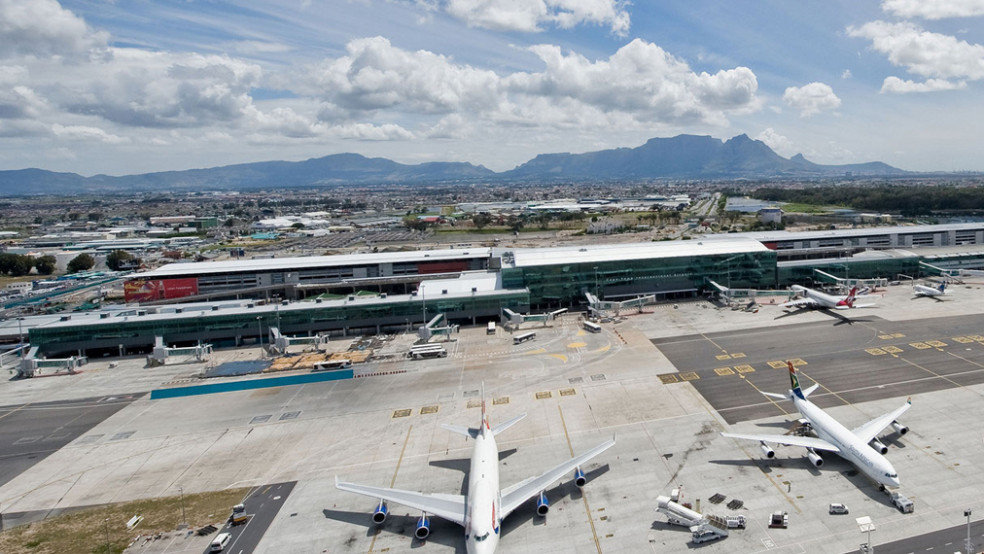
As South Africa updates its border procedures, Cape Town continues to strengthen its position as one of the country’s busiest international gateways.
Recent tourism figures show that Cape Town International Airport is narrowing the gap with OR Tambo International Airport when it comes to overseas arrivals.
So far this year, OR Tambo has welcomed around 490,000 overseas visitors, while Cape Town has received approximately 460,000, leaving a difference of just 30,000 arrivals.
According to Lee-Anne Bac, Advisory Partner for Tourism at BDO South Africa, this is the closest the two airports have been in terms of overseas arrivals.
She noted that overseas arrivals through Cape Town are currently 30% higher than 2019 levels, while Johannesburg remains below its pre-pandemic figures.
Bac attributes much of Cape Town’s growth to the Western Cape Air Access Strategy, alongside collaboration between government and the tourism industry to improve international connectivity and promote the destination.
She also pointed out that Cape Town’s figures are influenced by seasonal travel demand, with international airlines traditionally reducing services during the winter months while Johannesburg experiences more consistent year-round schedules.
Although Cape Town continues to record strong growth, Bac believes Johannesburg will remain South Africa’s primary business gateway and the country’s largest hub for African air arrivals.
Tourism confidence remains under the spotlight
Alongside encouraging tourism growth, parts of South Africa have recently experienced anti-immigrant demonstrations that are attracting attention across the African tourism industry.
The protests have taken place in several urban centres, including Johannesburg, Pretoria and Durban, where demonstrators have raised concerns about undocumented migration, crime, unemployment and pressure on public services.
While the demonstrations have largely focused on foreign nationals living in South Africa rather than tourists, tourism experts warn that international visitors may perceive such unrest as a broader safety concern.
Some tour operators serving African markets have reportedly received enquiries from travellers seeking reassurance before confirming both leisure and business trips, while others have experienced postponed or cancelled bookings.
Industry stakeholders have also cautioned that recurring xenophobic violence has the potential to affect South Africa’s international reputation if tensions continue.
Cape Town continues to attract travellers from around the world
Despite broader national developments, Cape Town remains one of Africa’s leading tourism destinations and an important gateway to Southern Africa.
The city is recognised internationally for its coastline, Table Mountain, vineyards, wildlife experiences and multicultural heritage. It is also home to World Travel Market (WTM) Africa, one of the continent’s major travel trade exhibitions.
Cape Town’s history as an international gateway stretches back centuries. Portuguese explorer Bartolomeu Dias reached the Cape in 1488, establishing one of the most significant maritime routes between Europe and Asia. Over time, the city developed into an important port and today continues to welcome millions of international visitors.
Tourism experts note that while headlines from elsewhere in South Africa can shape international perceptions, Cape Town continues to perform strongly as a destination, supported by sustained international demand and growing overseas arrivals.

Looking ahead
South Africa’s latest travel developments reflect a tourism industry experiencing both progress and new challenges.
The introduction of the mandatory online traveller declaration marks another step in modernising the country’s border processes, while Cape Town’s continued growth in international arrivals highlights the city’s enduring appeal to overseas visitors.
At the same time, tourism stakeholders recognise the importance of maintaining traveller confidence across the country. As South Africa continues to welcome visitors from around the world, staying informed about travel requirements and broader tourism developments will help ensure a smoother and more confident journey.
Source : https://www.travelnews.co.za
Source : https://eturbonews.com
Source : https://businesstech.co.za