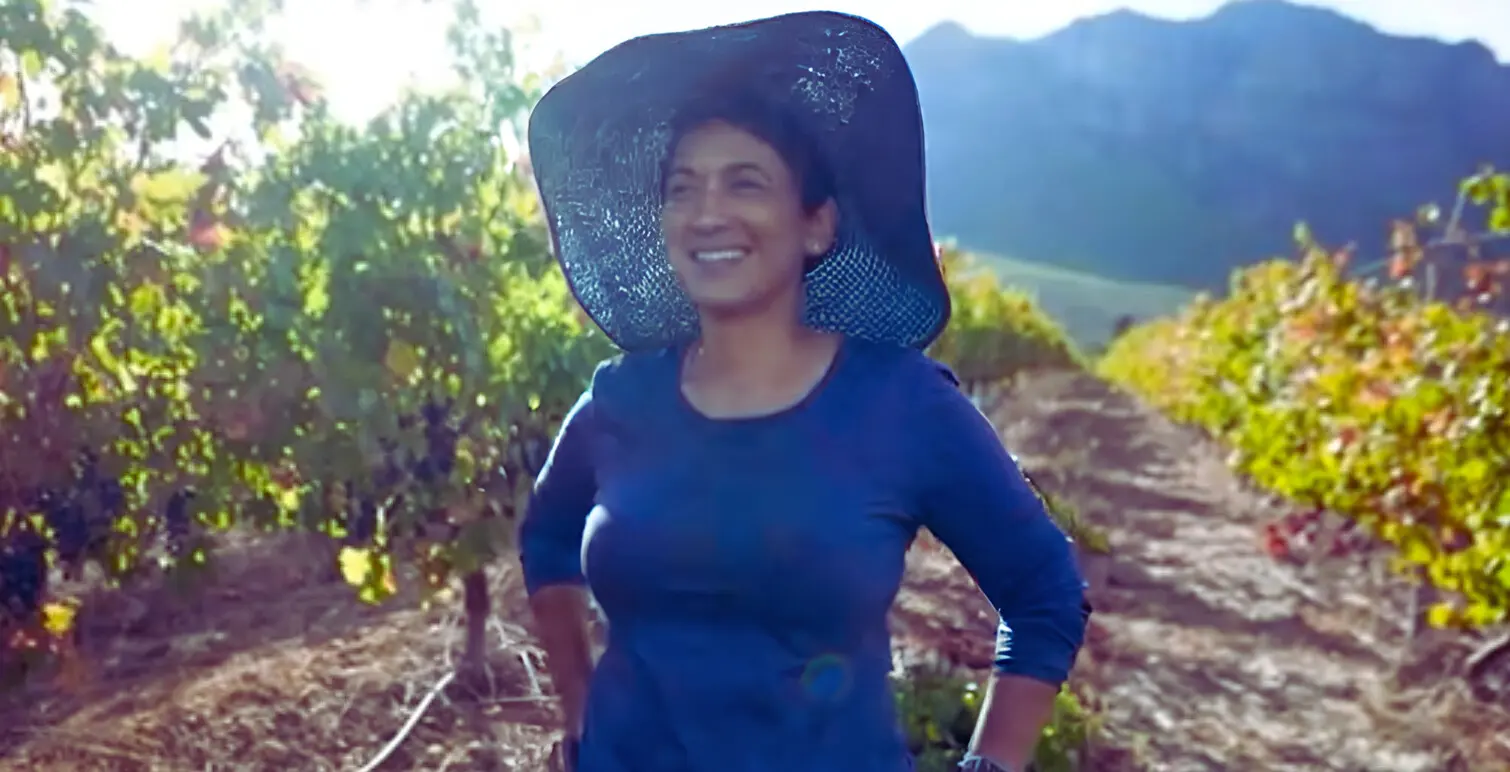
Most business stories follow a predictable arc: identify opportunity, secure funding, execute plan, achieve success. Carmen Stevens’s story is rather different. She didn’t just start a winery – she rewrote history. In 2019, she became the first Black woman to establish a 100% Black-owned winery in Stellenbosch, transforming what could have been a simple business venture into an act of profound cultural reclamation.
The Power of Symbolic Firsts
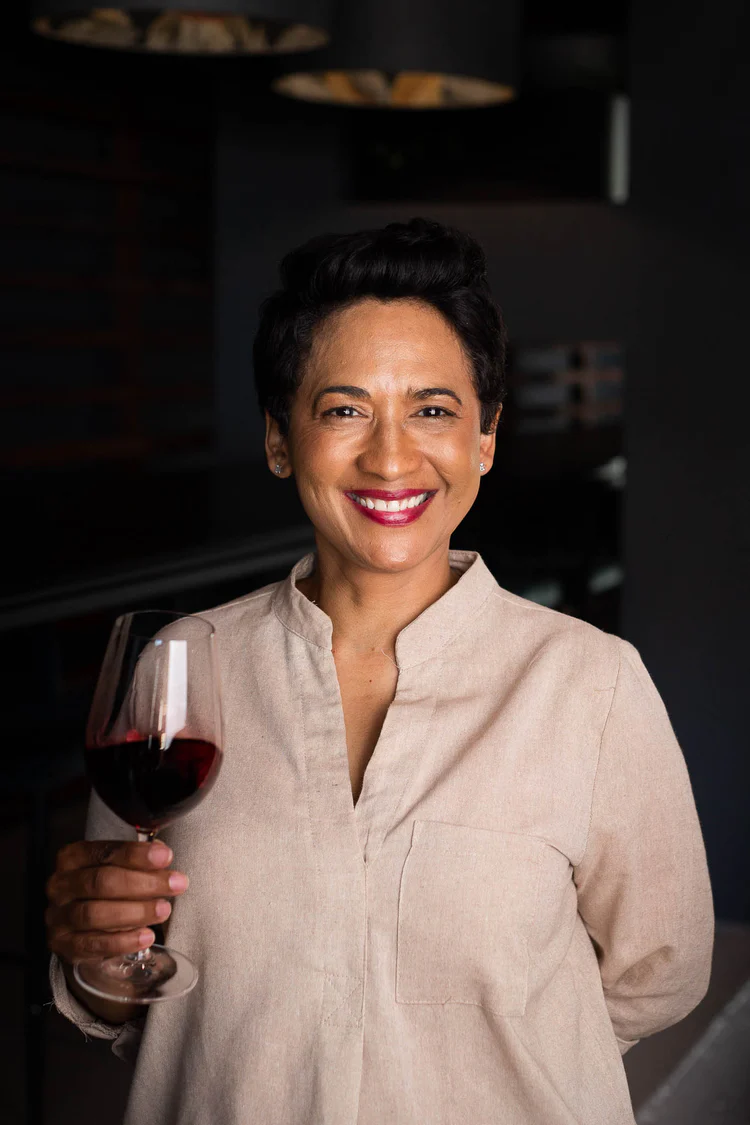
There’s something psychologically powerful about being first. Not just for the person achieving the milestone, but for everyone who comes after. When Stevens planted her flag in Stellenbosch, arguably South Africa’s most prestigious wine region, she wasn’t just making wine. She was making a statement about who belongs in this industry and whose stories deserve to be told.
The genius of her approach lies in understanding that sometimes the most radical act is simply showing up and doing excellent work. Rather than positioning herself as a disruptor or revolutionary, Stevens has focused on making exceptional wine. The revolution happens as a byproduct of excellence, which is probably the most sustainable way to create lasting change.
Location as Strategy – Why Stellenbosch Matters
Choosing Stellenbosch wasn’t just about terroir, though the terroir is excellent. It was about claiming space in the heart of South African wine culture. Stellenbosch isn’t just another wine region; it’s the symbolic center of the industry. Starting a Black-owned winery there sends a different message than starting one in an emerging region.
This is strategic thinking of the highest order. Stevens understood that perception shapes reality, and that being present in prestigious spaces changes how people think about who belongs there. Her success in Stellenbosch creates possibilities for others that simply wouldn’t exist if she’d chosen a less prominent location.
The Empowerment Paradox
Here’s where Stevens’s approach becomes particularly sophisticated. Many empowerment initiatives focus on helping people access existing systems. Stevens has created a new system, a 100% Black-owned winery that serves as both business and symbol. But she’s done it without sacrificing wine quality or commercial viability.
This matters because sustainable empowerment requires economic success. Good intentions don’t pay the bills or create lasting change. By building a profitable business that also advances transformation goals, Stevens has created something that can sustain itself and inspire others without relying on goodwill or grants.
Quality as the Ultimate Argument
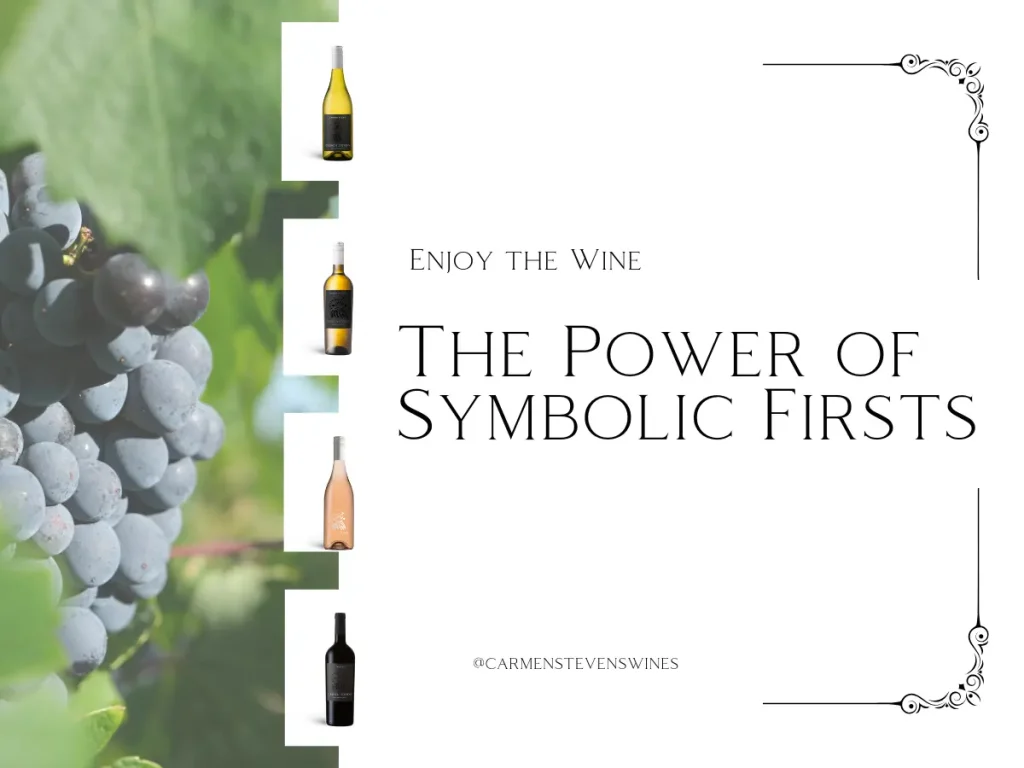
In an industry where tradition and terroir carry enormous weight, Stevens has understood that quality is the most persuasive argument for inclusion. Her wines need to be excellent not just because she wants commercial success, but because every bottle represents the capabilities of Black winemakers more broadly.
This creates an interesting psychological dynamic. When people taste Stevens’s wines, they’re not just evaluating the liquid in their glass, they’re potentially revising their assumptions about who can make world-class wine. Quality becomes a form of quiet advocacy, changing minds one tasting at a time.
Like Carmen Stevens, who built a legacy by claiming her place in Stellenbosch, you can learn how to get business funding to turn your ambitious business vision into reality.
The Stellenbosch Statement
By establishing herself in Stellenbosch rather than creating her own category, Stevens has done something psychologically powerful: she’s claimed equal status. She’s not asking for special consideration or separate-but-equal treatment. She’s competing directly with established producers in their own backyard and succeeding.
This approach requires enormous confidence and skill, but it also creates the strongest possible foundation for long-term success. When Stevens wins awards or earns critical acclaim, she’s not winning in a sub-category – she’s winning in the main event.
Here are a few of her awards (they’re truly inspiring):
- Lumo Awards – Double Gold 2024
- Michelangelo International Wine & Spirits Awards – Double Gold 2023
- Tim Atkin MW Best of South Africa – 92 points in the Master of Wine 2024 Report
- Blends Challenge – Winner 2024
Legacy Building Through Excellence
Stevens’s wines and empowerment mission have garnered strong support precisely because they don’t require compromise between social impact and quality. This isn’t charity wine—it’s excellent wine made by someone who happens to be breaking barriers. That distinction makes all the difference for long-term sustainability and impact.
The broader lesson here is profound: sometimes the most effective way to change a system is to succeed within it so convincingly that exclusion becomes impossible to justify. Stevens hasn’t just entered the South African wine industry—she’s become an integral part of its story moving forward.
Website: www.cswines.co.za
Contact Number: +27 (0)82 857 0641