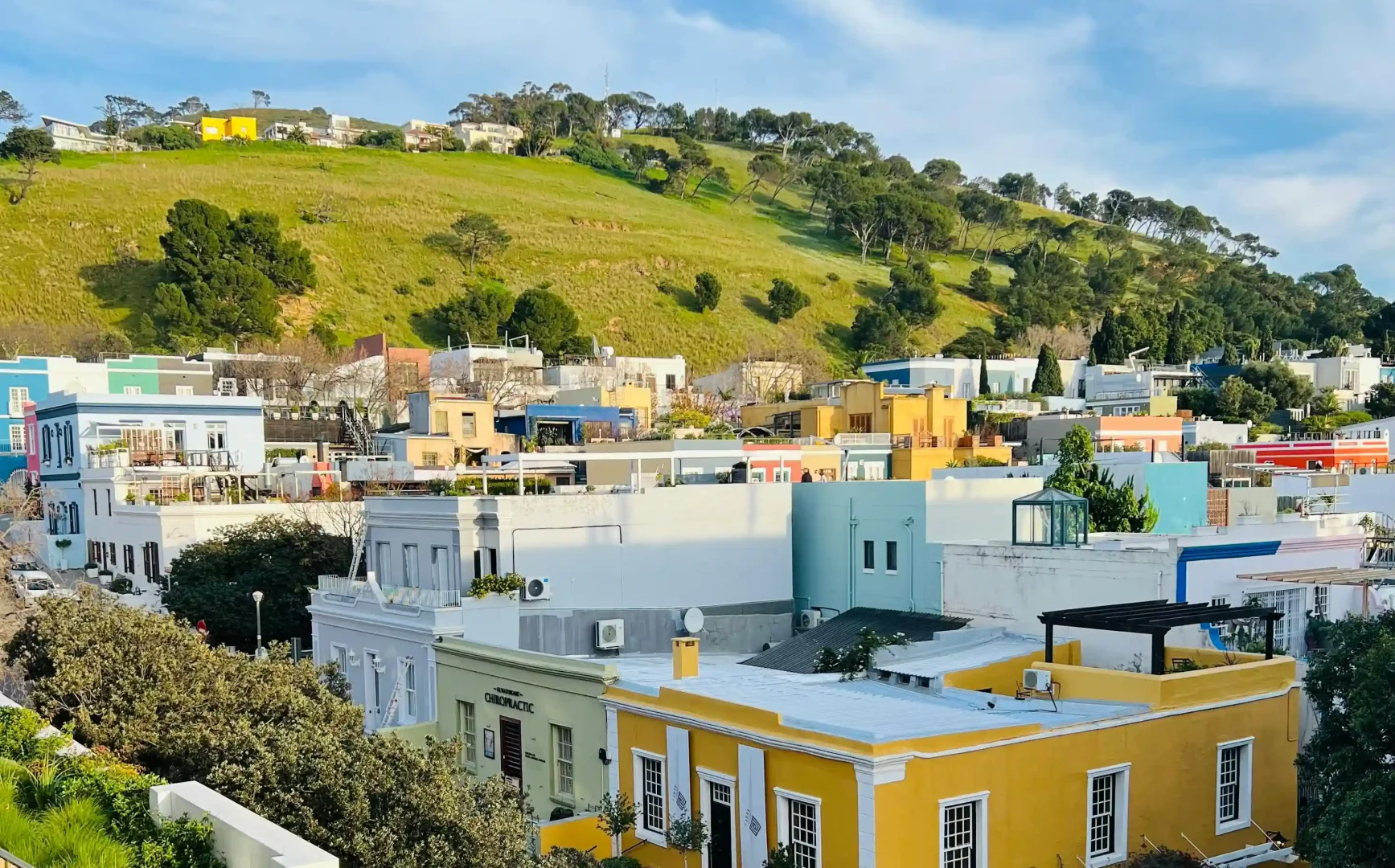

Few places capture the spirit of the Mother City quite like Cape Town Bo-Kaap. Perched on the slopes of Signal Hill, this vibrant neighbourhood offers far more than postcard-perfect façades. Instead, it tells a powerful story of faith, resilience, and identity.
While many visitors arrive for photographs, they stay for the culture. From historic mosques to fragrant Cape Malay kitchens, Bo-kaap Cape Town delivers an experience that is both visual and deeply meaningful.
In this guide, you’ll discover what to see, where to eat, where to stay, and how to explore Cape Town Bo-Kaap respectfully and confidently.
Where is Cape Town Bo-Kaap Located?
Conveniently positioned above the city centre, Cape Town Bo-Kaap sits between Buitengracht Street and Signal Hill. And because of its central setting, it pairs easily with a CBD itinerary.
You can walk there in minutes. Alternatively, you can arrive by Uber or MyCiTi bus. Either way, access is simple and quick.
The History of Bo-Kaap Cape Town

To understand Bo-Kaap Cape Town, you must understand its origins.
During the 17th and 18th centuries, enslaved people were brought to the Cape from Southeast Asia, India, and parts of Africa. Over time, this community established what we now recognise as Cape Malay culture.
Why Are the Houses So Colourful?
Today, the colourful houses Cape Town is famous for line the steep cobbled streets. However, these bold shades were not always decorative.
During the period of slavery, landlords required that homes be painted white – a symbol of control and uniformity. After emancipation, residents gained the right to their own homes. They chose to paint their homes in bright colours – a celebration of freedom. Consequently, the neighbourhood became a living symbol of identity and pride. So, every pink, blue, and yellow façade carries historical meaning.
Start Your Visit at the Bo-Kaap Museum

Before wandering the streets, begin at the Iziko Bo-Kaap Museum. It provides essential context.
Located inside one of the oldest homes in the area, the museum highlights:
- Cape Malay traditions
- Islamic heritage in the Cape
- The evolution of Cape Town Bo-Kaap
By grounding your experience in history, the Iziko Bo-Kaap Museum transforms a simple stroll into something far more powerful.
Entrance Fees:
- International – R80 (adults, children, pensioners, & students).
- Local – R50 (adults), R30 (children aged 5 to 17).
Opening Hours: Monday to Saturday 9 am to 5 pm.
Address: 71 Wale Street, Bo-Kaap, Cape Town.
Website: https://www.iziko.org.za/museums/bo-kaap-museum/
Contact Number: +27 (0) 21 481 3938
Exploring on Foot: The Best Way to Experience Cape Town Bo-Kaap


Although the neighbourhood is small, it’s rich in detail. Therefore, walking remains the best way to explore Bo-Kaap Cape Town.
You can choose a guided cultural tour. Alternatively, you can explore independently at your own pace.
Iconic Colourful Streets
Wale Street and Chiappini Street showcase the most photographed colourful houses Cape Town visitors love. Early morning light is ideal. Moreover, the streets are quieter then.
However, remember this is a residential area. Always ask before photographing people.
Historic Mosques
The Auwal Mosque, established in 1794, was the first mosque in South Africa. It remains an important spiritual centre within Cape Town Bo-Kaap.
Visitors are welcome. Nevertheless, modest dress is required, and shoes must be removed before entering.
Scenic Viewpoints
Because the area slopes upward, several vantage points offer sweeping city views. In particular, the Bo-Kaap Cemetery provides one of the most underrated panoramas in Cape Town Bo-Kaap.
Where to Eat in Cape Town Bo-Kaap
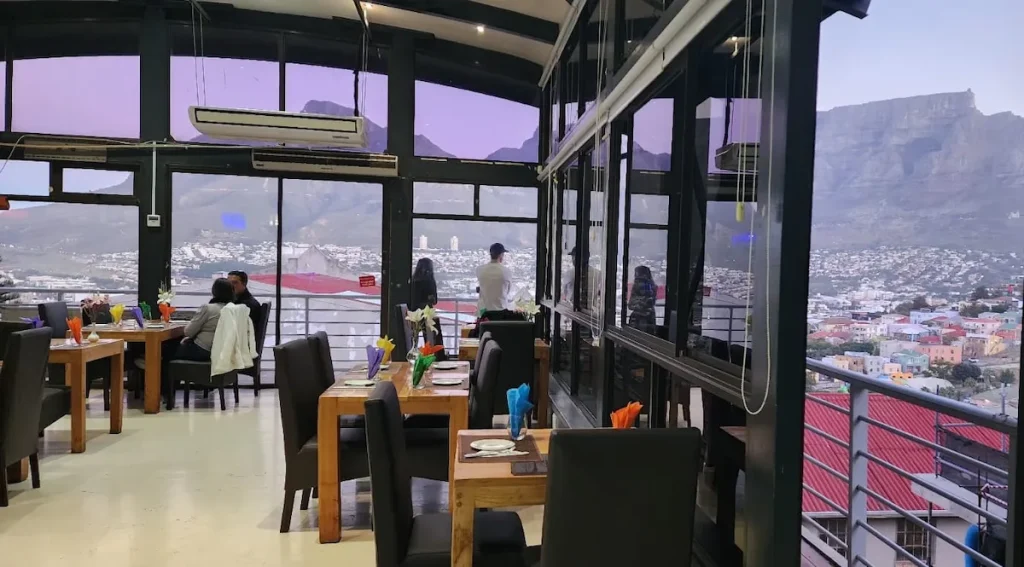

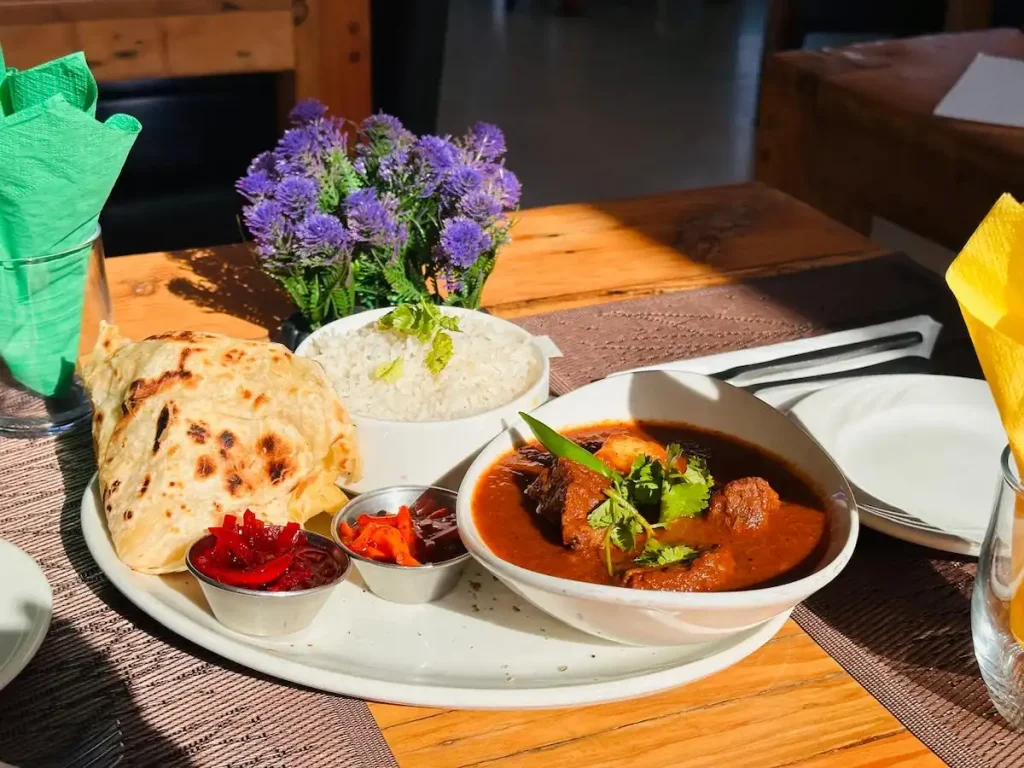
Food is central to the identity of Cape Town Bo-Kaap. Therefore, exploring the neighbourhood means tasting it as well as seeing it. From heritage restaurants to spice specialists, the flavours here tell a story of migration, memory, and tradition.
Here are three essential stops when dining in Bo-Kaap Cape Town.
Bo-Kaap Kombuis
Bo-Kaap Kombuis is one of the most established culinary institutions in Cape Town Bo-Kaap. It’s best known for traditional Cape Malay cuisines served with sweeping Table Mountain views.
Expect fragrant curries, babotie, samoosas, and masala-rich dishes prepared using time-honoured recipes. Moreover, the setting elevates the experience, especially at sunset.
Opening Hours: Monday to Saturday 12 pm to 9:30 pm, Sunday 12 pm to 3 pm.
Address: 7 August St, Schotsche Kloof, Cape Town, 8001.
Website: https://bokaapkombuis.co.za/
Contact Number: +27 21 422 5446
Bo-Kaap Deli
For something more relaxed yet equally flavourful, Bo-Kaap Deli offers a modern take on local dining in Bo-Kaap Cape Town.
The atmosphere is casual. However, the flavours remain deeply rooted in tradition. As a result, it’s a great stop during a walking exploration of Cape Town Bo-Kaap.
Opening Hours: Monday to thursday 12 pm to 10 pm, fridays and Saturdays 12:30 pm to 11:30 pm.
Address: 114 Church St, Bokaap, Cape Town, 8001.
Website: https://bokaap.org/bokaap-deli/
Contact Number: +27 76 346 6207
The Atlas Trading Company (Bo-Kaap)
While not a traditional sit-down restaurant, The Atlas Trading Company is an essential culinary stop in Cape Town Bo-Kaap.
Located on Wale Street, this historic spice merchant has been operating for decades. It supplies many local kitchens and restaurants with the aromatic blends that define Cape Malay cooking.
Step inside and you’ll find shelves stacked with spices, dried fruits, teas, and speciality ingredients. In many ways, it captures the scent and soul of Bo-Kaap Cape Town.
If you want to understand the foundations of Cape Malay cuisine, this is a good place to start.
Opening Hours: Monday to Thursday, 8:15 am to 5:15 pm. Friday 8:15 am to 12 pm, reopen at 2 pm to 1 pm. Saturday, 8:30 to 1 pm.
Address: 104 Wale Street, Bo-Kaap, Cape Town.
Website: https://atlastradingonline.com/
Contact Number: +27 21 423 4361
Accommodation in Bo-Kaap: Where to Stay in Cape Town Bo-Kaap
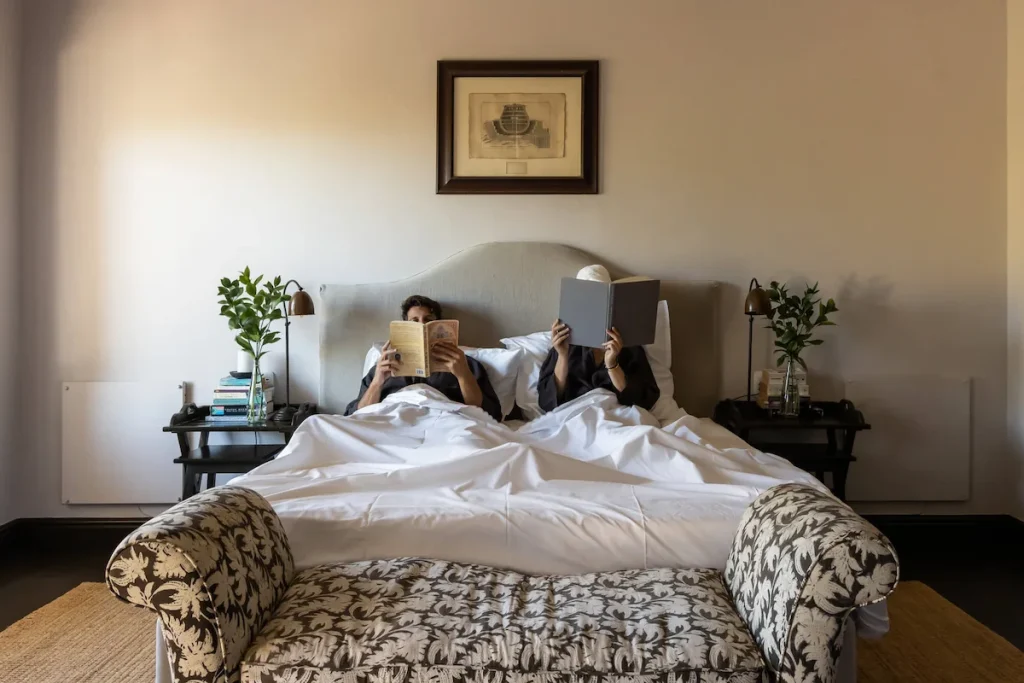
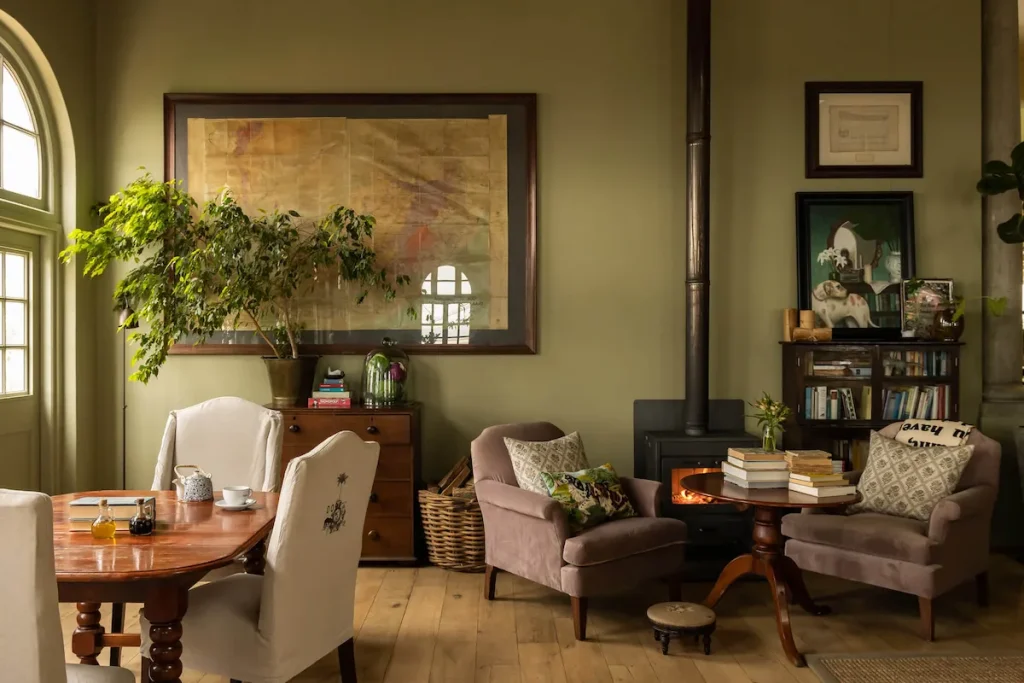
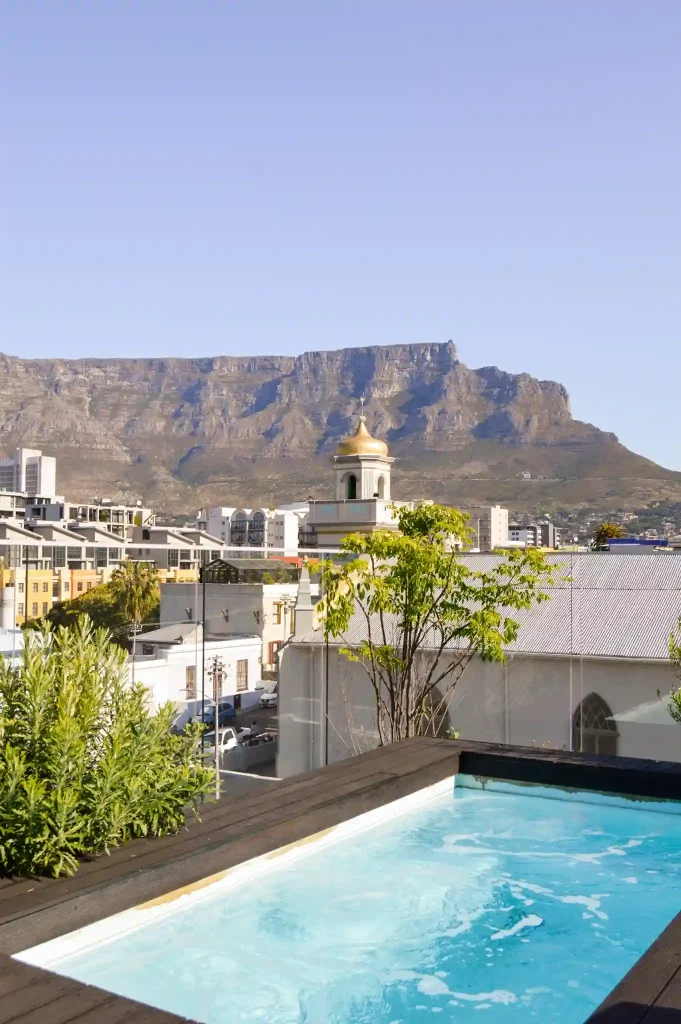
Staying overnight in Cape Town Bo-Kaap allows you to experience the neighbourhood beyond peak visiting hours. Early mornings are peaceful. Evenings feel intimate. As a result, the atmosphere becomes more personal and immersive.
Here are two standout accommodation options:
Casa Del Sonder
Casa Del Sonder offers a stylish yet relaxed stay within walking distance of the neighbourhood’s most iconic streets.
The property blends comfort with character. Furthermore, its position in Schotsche Kloof places you right inside Bo-Kaap, yet close to the CBD.
Address: 27 Hudson St, Schotsche Kloof, Cape Town, 8001.
Website: https://www.casadelsonder.co.za/
Contact Number: +27 79 150 2166
The Dorp Hotel
For something distinctivem The Dorp Hotel delivers charm, personality, and sweeping city views. Its elevated position enhances the experience, while its interiors reflect eclectic design influences.
Importantly, staying here places you at the edge of Bo-Kaap, allowing easy access to both the colourful streets and the city centre.
Address: 273 Longmarket St, Schotsche Kloof, Cape Town.
Website: https://dorp.co.za/
Contact Number: +27 21 612 0298
Practical Tips for Visiting Cape Town Bo-Kaap

To make the most of your visit to Bo-Kaap, here are some tips to keep in mind:
- Respect the Residents: First and foremost, remember that people live here. Keep noise levels down. Additionally, avoid blocking doorways for photos.
- Dress Modestly: Because the area has strong Islamic roots, modest dress is appreciated – particularly when entering mosques.
- Take Your Time: Although the neighbourhood is compact, there is depth in every corner. Therefore, move slowly when exploring these colourful streets of Cape Town.
- Try the Cuisine: Bo-Kaap is famous for its cuisine, so be sure to try some of the traditional Cape Malay dishes. Some popular dishes include boboties, samoosas, and koeksisters.
Getting to Bo-Kaap
Reaching Cape Town Bo-Kaap is straightforward.
- On Foot: From the CBD, the walk is 10-15 minutes. The route is slightly uphill but manageable.
- Uber: Uber operates reliably throughout Cape Town. Consequently, this is often the easiest option.
- MyCiTi Bus: The Bo-Kaap Museum stop provides the closest access point via public transport.
Additionally, the location of Bo-Kaap makes it easy to combine with Signal Hill, the Company’s Garden, or the V&A Waterfront.
FAQ
- Q – What is Bo-Kaap known for?
A – Cape Town Bo-Kaap is known for its colourful houses, Cape Malay culture, historic mosques, and traditional cuisine. - Q – Why are the houses in Bo-Kaap so colourful?
A – After emancipation, residents painted their homes in bright shades to symbolise freedom. Today, the colourful houses Cape Town visitors photograph represent heritage and pride. - Q – How long should you spend in Bo-Kaap?
A – Most visitors spend one to two hours. However, if you include a museum visit and lunch, allow half a day. - Q – Is Bo-Kaap worth visiting?
A – Absolutely. It offers cultural depth, historical significance, and some of the best local cuisine in the city.
Ultimately, Cape Town Bo-Kaap is not just a beautiful neighbourhood. It’s a living cultural landmark. Come for the colour, stay for the history, and leave with perspective.