

Planning a 72-hour escape to Cape Town? You’ll need the ultimate 3 day Cape Town itinerary to make every moment count. Three days is the perfect amount of time to experience the Mother City’s magic. From Table Mountain’s iconic views and vibrant city streets to rolling winelands, Cape Town offers something unforgettable at every turn.
This guide shows you how to spend 3 days in Cape Town – exploring its landmarks, tasting its flavours, and discovering why this coastal gem remains one of the world’s most captivating destinations.
The list below is in no particular order. Each entry is equally celebrated for their achievements, and the sequence of names is arbitrary, not indicating any ranking or preference.
How Many Days Do You Need in Cape Town?
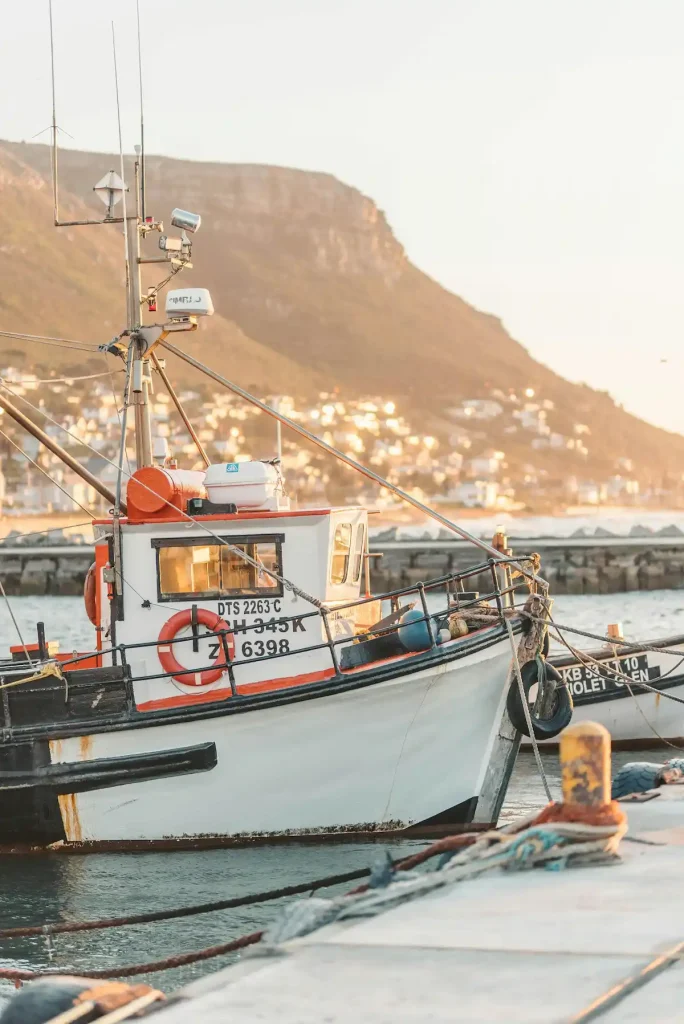

With so many things to see and do, travellers often wonder how many days are needed to explore Cape Town. While you could easily spend a week in this diverse city, 3 days in Cape Town is the perfect amount of time for first-time visitors. It gives you the chance to experience both the city’s iconic landmarks, and take a day trip out to the Cape Winelands.
All you need is good planning – 3 day Cape Town itinerary which balances adventure, culture, and relaxation. You’ll have enough time to ride the Table Mountain cableway, stroll through the colourful streets of Bo-Kaap, and taste world-class wines.
And, if you fall in love with the Mother City (which you probably will), you can always return for a longer stay. But for now, 3 days is the ideal introduction to Cape Town’s highlights and its unmistakable charm.
The Ultimate 3 Day Cape Town Itinerary
Day 1: City Icons and Table Mountain Views

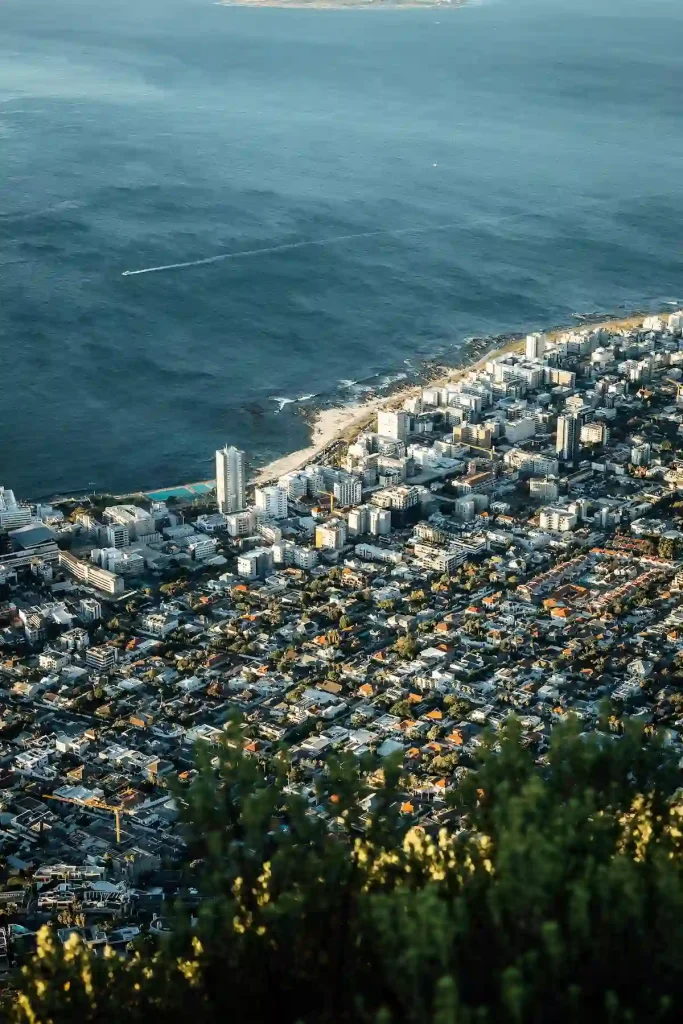

Your Cape Town adventure begins with breathtaking views atop Table Mountain. Ride the cable car to the summit for one of the city’s most famous views. Spend some time exploring the walking trails at the top, where every angle offers another stunning vista of Cape Town, Table Bay, and the Atlantic Ocean. Arrive early to avoid crowds and make the most of the morning light for photographs.
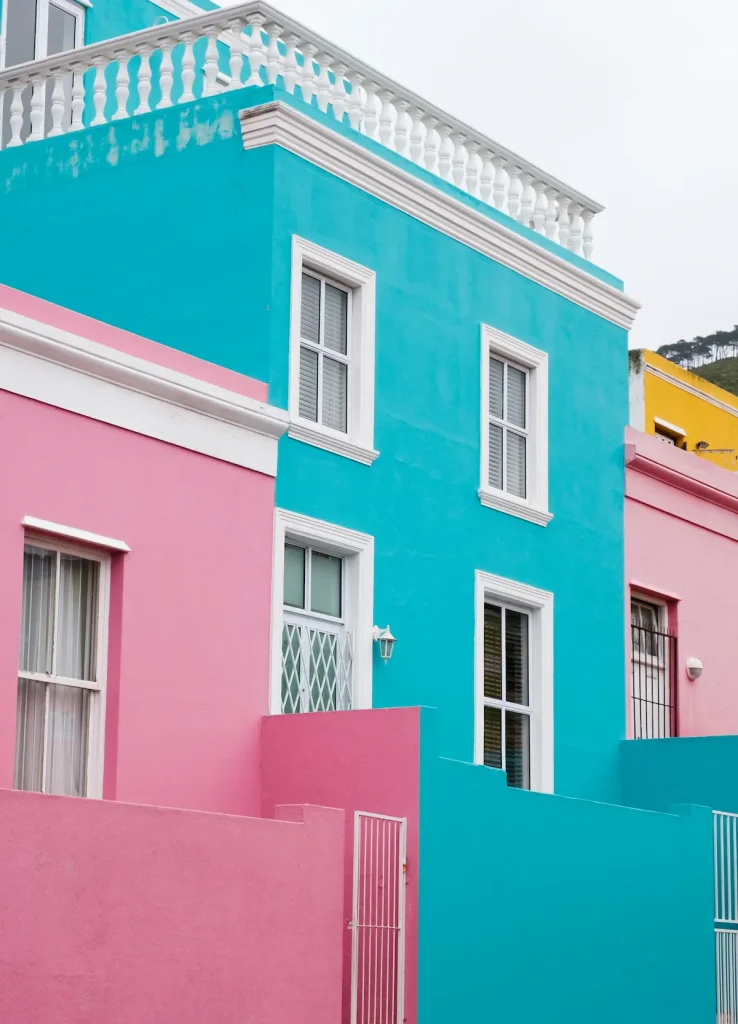
After descending, head to Bo-Kaap, Cape Town’s most colourful neighbourhood. Rich in local Cape Malay culture, stroll along the cobbled streets and admire the brightly painted houses. Then visit the Bo-Kaap Museum to learn more about its cultural heritage, and take a peek at the fragrant offerings at Atlas Trading Company. Established in 1946, this wholesaler offers a selection of fine spices and rare products from around the world.
Next, take a peaceful stroll through the Company’s Gardens, a green oasis in the city centre. Surrounded by historic landmarks, the shaded walkways and resident squirrels offer a gentle break before the afternoon’s explorations.
From here, head to the V&A Waterfront, Cape Town’s premier shopping hub. The Watershed is a must for local arts and crafts. This beautifully restored warehouse showcases some of the best South African creativity, making it the ideal spot to find unique souvenirs.
As evening falls, indulge in a fine dining experience at the V&A Waterfront. A member of the La Colombe restaurant family, Pier serves up an elegant culinary adventure. Indulge in their ocean-inspired multi-course tasting menus as you wind down from a busy day. With floor-to-ceiling views of the Harbour, your first night in the Mother City promises to be a memorable one.
Day 2: Coastal Adventures and Seaside Dining


Today is all about exploring the Cape Peninsula’s rugged coastline. Get ready for ocean views, cliff faces, majestic mountains, and charming seaside towns.
Start your morning with a scenic drive along Chapman’s Peak Drive, one of the most beautiful coastal roads in the world. Early morning light paints the cliffs in gold, so stop at the lookout points for photos.
Continue toward Boulders Beach, near Simon’s Town, home to Cape Town’s famous African penguin colony. Wander the boardwalks winding gently between giant granite boulders and delight in watching the charismatic birds waddle and swim. If the tide and weather conditions allow, head to one of the sheltered coves for a dip yourself.
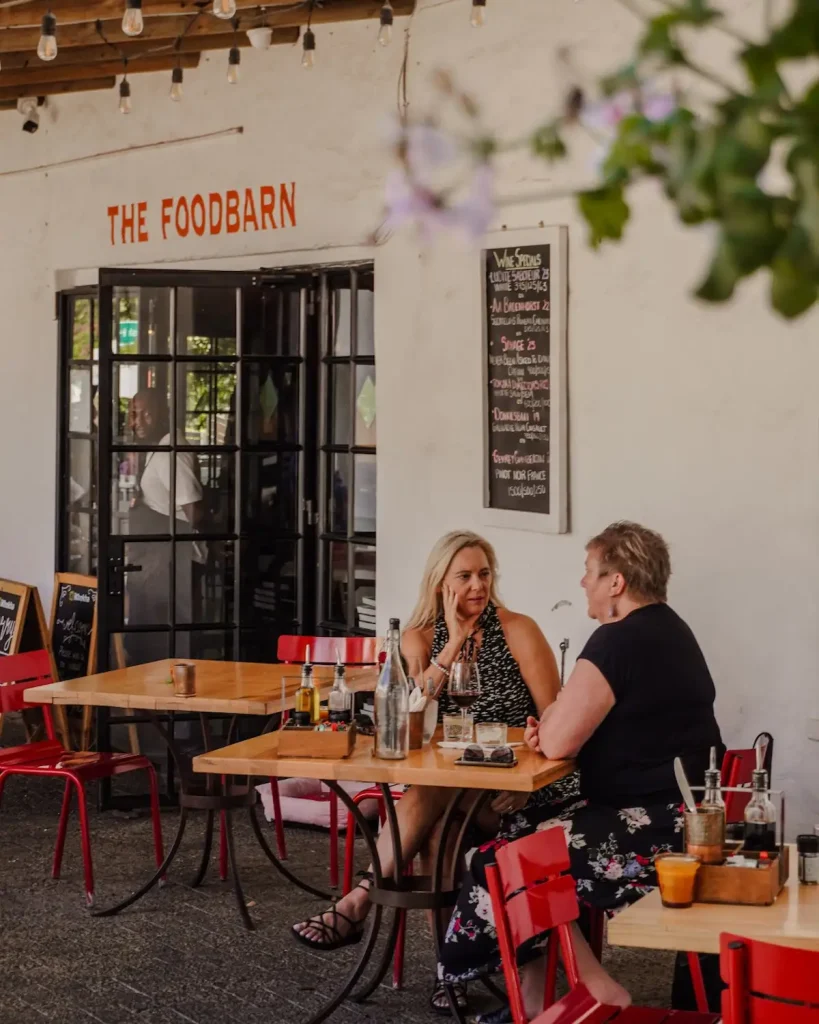
After your encounter with the penguins, head back along the coast towards Noordhoek. This relaxed coastal village is known for its wide, windswept beach and farm-to-table eateries. Settle in for a leisurely lunch at the Noordhoek Farm Village, where you can select from an array of eateries all serving dishes made with local ingredients. Try The Foodbarn, the lovechild of acclaimed chef Franck Dangereux, where fine-dining meets down-to-earth vibes. This café by day, tapas bar by night, boasts irresistible lunches made with locally sourced ingredients. But, whether its artisanal pizza, seafood, or ‘bistronomy’ lunches you seek, the atmosphere is welcoming and authentically local.
As the afternoon fades, make your way along the coast, back towards the city. If you have time, stop at a beachside café along the Atlantic seaboard for another scenic lookout. End your day in Sea Point, a vibrant neighbourhood loved for its sunset sea views and oceanfront promenade. Settle down for a relaxed dinner at one of the area’s stylish bistros or seafood restaurants. For sweeping ocean views and a refined dining experience, reserve a table at Grand Pavilion. Alternatively, find a spot at Rockpool for a laidback venue offering some of the best sunset views in Cape Town.
Day 3: Wine Country and Culinary Delights



Your final day in Cape Town is dedicated to the Cape Winelands. Just 45 minutes from the city, Stellenbosch offers rolling vineyards, dramatic mountains, and elegant wine estates. Look forward to a perfect blend of history, culture, and, of course, world-class wines.
Begin your morning at Rust en Vrede, one of Stellenbosch’s most prestigious wine estates. Renowned for its red wines, expect a refined wine-tasting experience at this family-owned estate. Moreover, don’t miss this opportunity to explore the tranquil gardens and historic Cape Dutch architecture – something Stellenbosch is well known for.
Next, continue to Waterford Estate, framed by citrus trees and terracotta-coloured walls. Settle down in their idyllic courtyard, with a fountain bubbling at its centre and treat yourself to their famous chocolate and wine pairing. This sensory experience offers a unique approach to wine tasting, where handcrafted chocolates serve to enhance the bold flavours of the wine.
For lunch, head to Hidden Valley Wines. This boutique estate is perched on the slopes of the Helderberg mountains, offering sweeping views across the vineyards and False Bay. The Deck at Hidden Valley creates a relaxed yet refined farm-to-table dining experience that captures the spirit of Stellenbosch. Pair your meal with the estate’s wines and enjoy a slow, scenic lunch. This is the perfect way to soak up the beauty of the Winelands before returning to the city.
After lunch, if there is time, head into the town of Stellenbosch to wander its oak-lined streets, café, wine bars, and galleries. Consider spending your final night in this historic town – it’s not far from the airport. This will give you more time to explore the town and its exquisite dining options like The Fat Butcher and Man’oushe. Alternatively, head back to the city as the late-afternoon light spills over the vineyards. Celebrate the end of a magnificent trip with a candlelit dinner at Kloof Street House.
Cape Town Travel Tips


To make the most of your 3 day Cape Town itinerary, here are some travel tips to get you started. The city offers a mix of landscapes, experiences, and microclimates – and planning smartly ensures you enjoy it all with ease.
1. Stay in a Central Location
To save time, book accommodation in areas like the city bowl, De Waterkant, V&A Waterfront, Gardens, or Sea Point. These neighbourhoods offer easy access to all the major attractions, dining, and transport links. This way, you spend less time commuting and more time exploring.
2. Rent a Car for Flexibility
While Cape Town has Uber and the MyCiti Bus, renting a car gives you the freedom to explore at your own pace. This is especially ideal for day trips to the Cape Peninsula and the Stellenbosch wine region. The drives are scenic, safe, and well signposted. Plus, having your own car means you can stop at any time to admire the view or snap a few pictures.
3. Make Dinner Reservations in Advance
Cape Town’s culinary scene is world-renowned. So, it should come as no surprise that popular restaurants often book quickly – particularly on weekends and during summer. Reserve tables in advance to avoid disappointment later.
4. Pack for all Weather Conditions
Cape Town is famous for its microclimates. Bring light layers, a windbreaker, comfortable walking shoes, and sunscreen. Evenings can be cool, especially near the coast, while the Winelands are often warmer. And if you are spending the day outside, be sure to have a hat, sunblock and water – the African sun can be harsh.
5. Start Early Each Day
To get the most out of your day, set out early in the morning. This way you can avoid crowds while also catching the morning sun as it slowly lights up the city and surrounding landscapes. Early starts also help you to fit more into your 3 day Cape Town itinerary without feeling rushed.
6. Stay Safe and Informed
Like any major city, stay alert, keep valuables secure, and use reputable transport options. Locals are friendly and helpful, so don’t hesitate to ask for advice or directions.
Frequently Asked Questions
Q: What is the best time of year to visit Cape Town?
The most favourable time to visit Cape Town is between December and April, when the weather is warm and dry. These summer months are ideal for beach visits and outdoor activities. Spring and Autumn are also excellent as they offer milder weather and fewer crowds.
Q: What is the currency, and can I use credit/debit cards everywhere?
In South Africa, the currency is the South African Rand (ZAR). Major businesses, hotels, restaurants, and wine estates accept credit and debit cards. It’s smart to carry some cash for small vendors, markets, and tips. Inform your bank that you will be travelling to avoid issues with your cards abroad.
Q: Is Cape Town safe to walk around at night?
In well-populated areas, such as the V&A Waterfront, Sea Point, and the City Bowl, it is generally safe. However, after dark, one should always remain cautious. Stick to busy, well-lit streets, avoid flashing valuables, and travel in groups. Your accommodation can also advise you on local safety.
Q: What are acceptable tipping practices in Cape Town?
Tipping is customary in restaurants – usually 10-15% of the bill is good. For drivers, guides, and similar services, small gratuities are appreciated. Take note that some restaurants already include a service fee, especially for groups of 10 or more. Extra tipping is optional, depending on how satisfied you are with the service.
Q: Is English widely spoken in Cape Town?
Yes. English is one of South Africa’s official languages. You’ll find it’s commonly used in hotels, restaurants, and with guides. Many business signs are in English as well, so language is rarely a barrier for international visitors.
Three days in Cape Town gives you the rare opportunity to see the city from every angle. From mountain peaks to ocean promenades and rolling vineyards, this thoughtful 3 day Cape Town itinerary allows you to get the most out of your trip. Whether it’s your first time visiting or a long-awaited return, Cape Town never feels the same twice. Each trip reveals a new layer, another story, another view, and more reasons to come back.