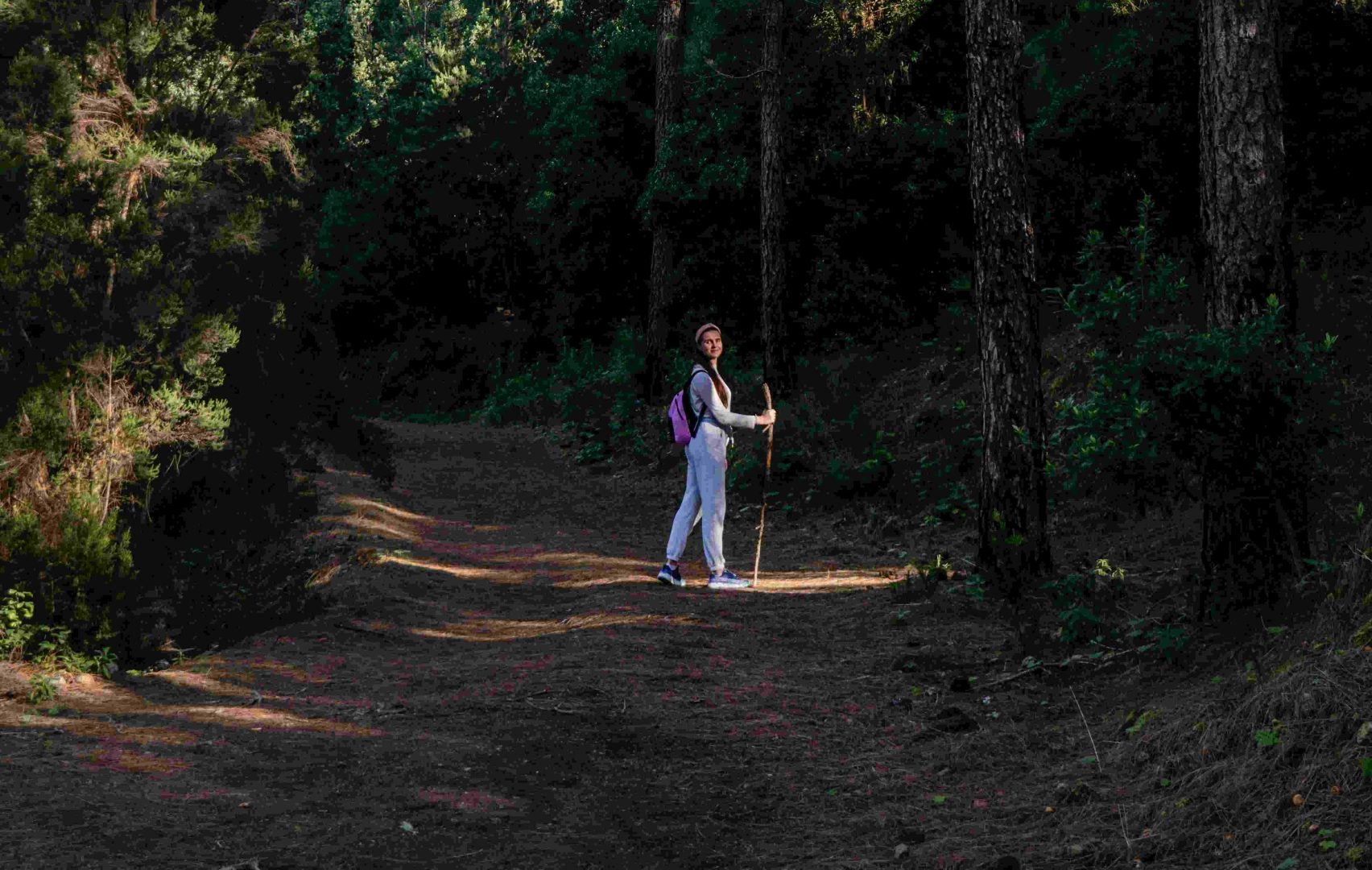

Cape gardens have a way of turning travel memories into living spaces, and once you know how to borrow their secrets, your own backyard can start to feel like a permanent holiday. A trip may end, suitcases get unpacked, photos get posted, and then life goes right back to normal. But sometimes one little thing sticks like that courtyard café with the climbing greenery. Maybe you went to a beautiful horticultural haven in another country that was out of this world. Or the way a coastal town used gravel and lavender instead of a thirsty lawn, or how a botanical garden made shade feel like a luxury instead of an accident.
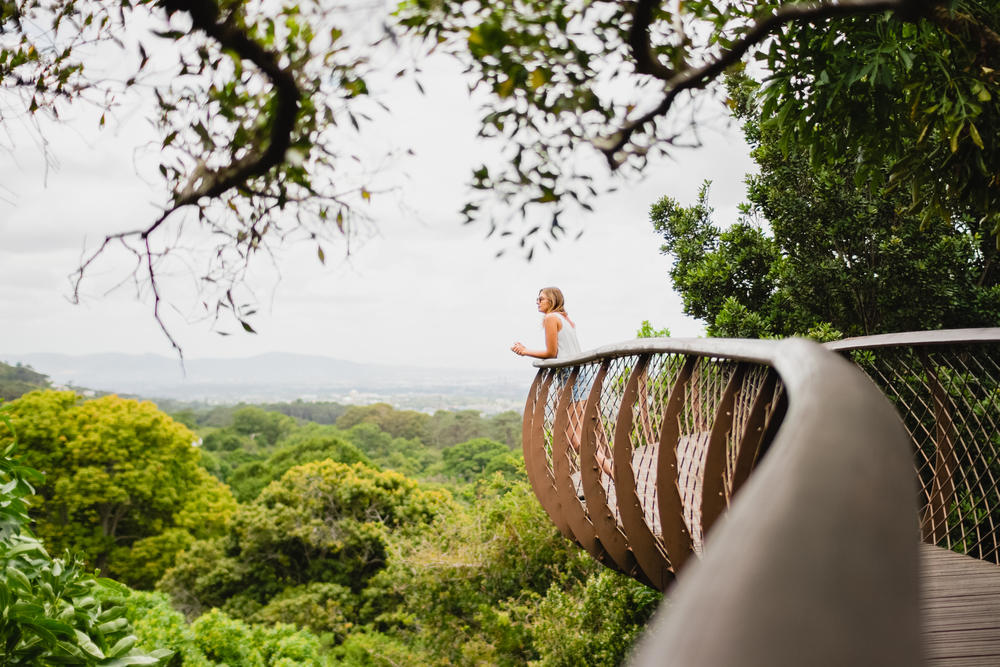
If you’ve wandered through places like Kirstenbosch Gardens in Cape Town, watched sugar birds dart between proteas, or looked up at Table Mountain rising behind layers of indigenous fynbos, you know exactly how scenery can burn itself into your memory. And if that blows you away, well, it makes total sense to want that for yourself and for your own home, right? Like, why wouldn’t you? What’s your backyard missing? What doesn’t it have that you want it to have? And no, it’s not because it needs to look like a postcard, but because it could feel more intentional, more calming, more like an actual oasis instead of a random patch of ou,tdoor space. Travel has a way of reminding people how outdoor space can feel, whether it’s a coastal boardwalk near the penguins in Simon’s Town or a quiet shaded path lined with indigenous plants.
Start With the Feeling
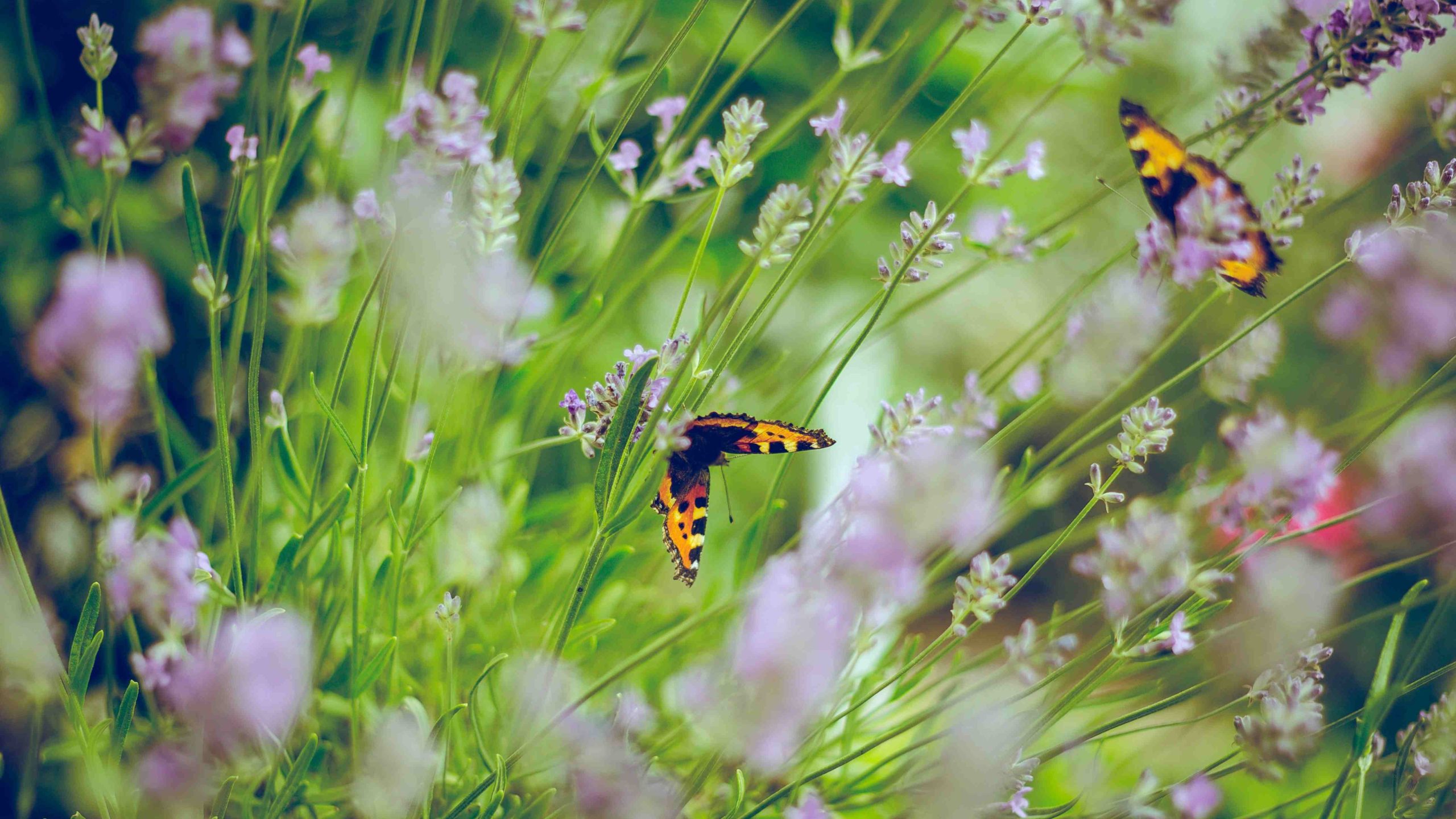
Well, travel gardens hit because they make people feel something. It might be relaxed, private, shaded, sunny, lush, clean, orderly, wild, coastal, Mediterranean, tropical, minimal, whatever. And yeah, sure, it’s easy to get stuck on the idea of “a Greek island garden” or “a Japanese garden.”
But what actually matters is the part that made it memorable.
So, think about the trips that live rent-free in the brain. Was it the way the air smelled, like citrus and herbs? Or salty and fresh like the Atlantic along the Cape coast? Was it the quiet, enclosed feeling of courtyards? Was it the color palette, white walls and terracotta, deep greens and stone, palms and sandy gravel, or the bold textures of proteas and fynbos against a mountain backdrop? Or was it the layout, little paths that made it feel like there was something to discover, the kind you find winding through Kirstenbosch? But once that’s clear, it’s easier to make choices. A travel-inspired garden isn’t a costume. It’s a mood that gets built through textures, shapes, materials, and little routines.
Try to Collect “Garden Notes”


But what does any of this even mean, though? Well, this isn’t really homework, an assignment, or anything like that. Though it helps to start noticing what’s actually happening in the gardens and outdoor spaces that look good. So, just go ahead and look at the ground. Is it gravel, stone, brick, tile, packed earth, mulch, or grass? Look at the structure. Are there low walls, raised beds, terraces, pergolas, archways, and fences covered in vines? Look at how plants are grouped. Are they wild and layered, or clipped and tidy?
Are there big statement plants with empty space around them, or lots of smaller plants creating a full look? Indigenous Cape gardens, for example, often lean into natural layering, where proteas, restios (grass-like plants), and flowering shrubs attract sugar birds and sunbirds, while still looking intentional.
Yeah, it’s a lot of things you’re having to look at, not everyone can have the privilege to travel to some pretty garden, but you can watch YouTube videos or even look at old pictures of the gardens you’ve been to. Basically, the entire goal here is to just find the elements that you’re head over heels for.
Translate the Destination
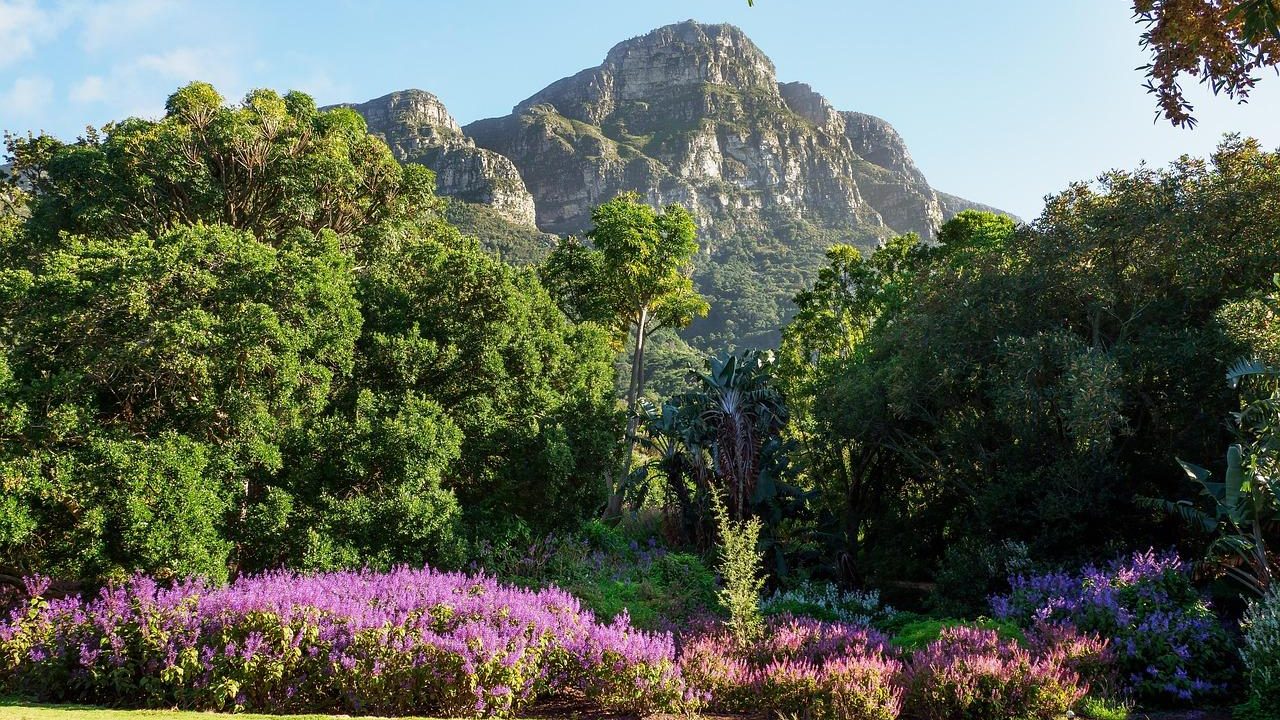
It’s just really going to depend on what you love and where you live. If you live in a very hot and dry climate, it’s going to be super hard to keep cottage flowers like delphiniums alive, for example. And yeah, people get stuck on this part because it’s super hard. But layout and materials are what make a garden actually feel like a place. Cape Town visitors often fall in love with indigenous gardens precisely because they work with the climate instead of fighting it.
But again, just keep in mind that not everything you want can translate, but you might be able to find alternatives if one plant might not thrive.There might be one that looks similar or has a similar shape, height, or colour, for example.
A protea or Leucadendron can sometimes give the same sculptural impact people chase with international plants, while being far more suited to local conditions. So, if the travel memory is a calm courtyard, that’s usually enclosure and layering. It means adding privacy, using fencing or trellis panels, building a seating nook, and adding taller plants or hedging in the background. If the memory is a coastal garden, that’s often open space, breezy plants, sandy tones, and hardscaping that feels sun-friendly, like gravel, pale stone, and simple shapes. The kind of palette that wouldn’t look out of place along Cape Town’s shoreline. So, these are just two examples, but you can see for yourself that even without super-specific plants, it’s more about getting the shape and the elements there.
Keep Maintenance Realistic


A travel-inspired garden sounds dreamy until it becomes a chore nobody wants to deal with. When it comes to any beautiful spaces, especially outside where there’s always work to be done, that’s when the whole internal dilemma of “is it even worth it though” basically kicks in. No one likes having to do pest control and pull weeds, and whatever else, but it still needs to be done. Those gorgeous gardens you fell in love with, including world-class spaces like Kirstenbosch, had maintenance in order to stay that pretty; keep that in mind!
But how much maintenance are you willing to do, though? You can be realistic with yourself here. If you want lots of trees, then you’ll have to be open to raking or at least getting an electric leaf blower once autumn hits. If you want palm trees and it snows where you are in the winter, then you need to repot the palm annually or at least add blankets to it for safety. It’s those sorts of things you really need to think about.
Add One Signature Feature
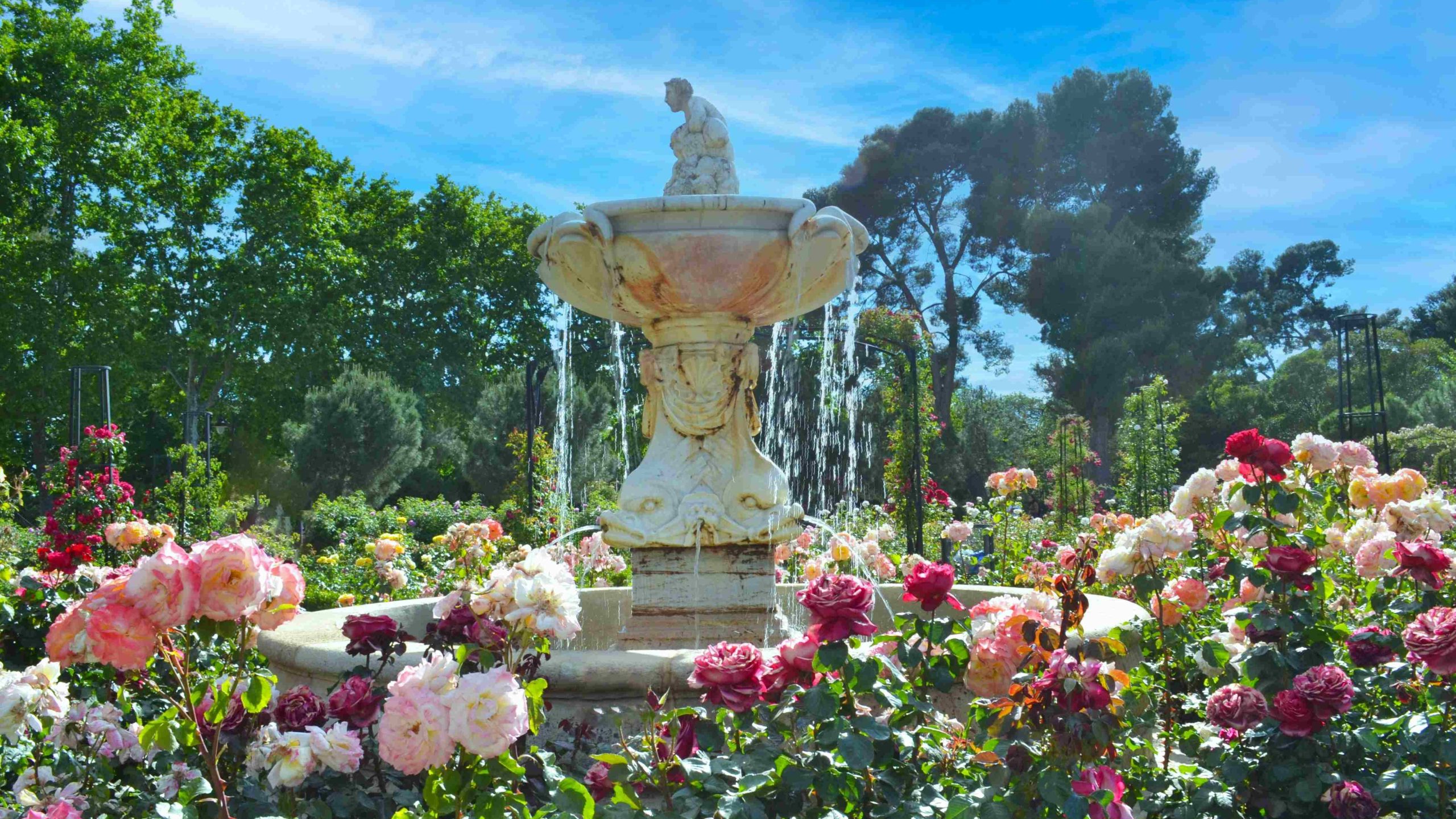
Every memorable travel garden usually has one thing that anchors it, like a fountain, a pergola, a big olive tree, a tiled patio, a stone bench, a small pond…
You get the idea, but there’s something that’s super pretty and statement-worthy, right?
Well, that’s what you need, you need that signature feature. But the key is picking one feature that fits the space and the budget, then designing around it. A garden inspired by Cape Town might anchor itself with a view line, a raised deck facing the sunset, or a sculptural indigenous planting bed that attracts birds the way protea bushes do in the wild.
If the goal is “escape,” a dedicated seating area helps more than almost anything. A garden can be gorgeous, but if there’s nowhere comfortable to sit, it still feels like a yard, not an oasis. Most people tend to pick a water feature since it’s usually seen as super luxurious, so that could be something you could choose.
And if you ever need fresh inspiration, a walk through Cape Town’s gardens – from the wild beauty of Kirstenbosch to the mountain-framed fynbos landscapes – is a reminder that the right garden doesn’t just decorate a space, it gives you somewhere to escape to every single day.
Conclusion