Camping in winter can be more challenging, but it also offers a unique and memorable experience. With proper planning and by following essential safety tips, you can enjoy a rewarding winter adventure in the Western Cape. Don’t let the cold dampen your camping spirit! With careful planning and the right safety tips for camping, you can fully enjoy the beauty of the Western Cape during the colder months.
Stay Warm


Let’s be honest, no one enjoys freezing in a tent. So if you’re heading out camping in winter, keeping warm should be your top priority. The trick? Layers. Lots of them. Start with a comfy base layer that pulls sweat away from your skin, throw on something warm and fuzzy in the middle, and top it off with a waterproof outer layer to keep the wind and rain out. Don’t skimp on a good sleeping bag either, go for one that’s rated at least 10 degrees colder than the chilliest night you’re expecting. Hot drinks are your best friends, so keep that kettle going. If you’re feeling extra clever, fill a sturdy water bottle with hot (not boiling) water and toss it in your sleeping bag before bed. No bottle? Warm some smooth stones by the fire, wrap them in cloth, and pop them in your bag. Instant toastiness!
Check the Weather

Nobody wants their camping trip ruined by a surprise storm. Before you even think about packing, check the weather forecast. And once you’re out there, keep checking, the weather in the Western Cape can change faster than you can pitch your tent. Look out for temperature drops, heavy rain, and powerful winds (they’re common in these parts). Knowing what’s coming helps you pack like a pro. Bring a proper waterproof jacket, thermal layers, sturdy boots, and a rain cover for your tent, because no one likes sleeping in a puddle. Watch the skies too: darkening clouds or sudden wind gusts are signs something’s brewing. Stay ahead of the weather and you’ll stay dry, warm, and way more cheerful than the soggy campers who didn’t plan and prepare with these safety tips for camping.
Choose a Safe Campsite
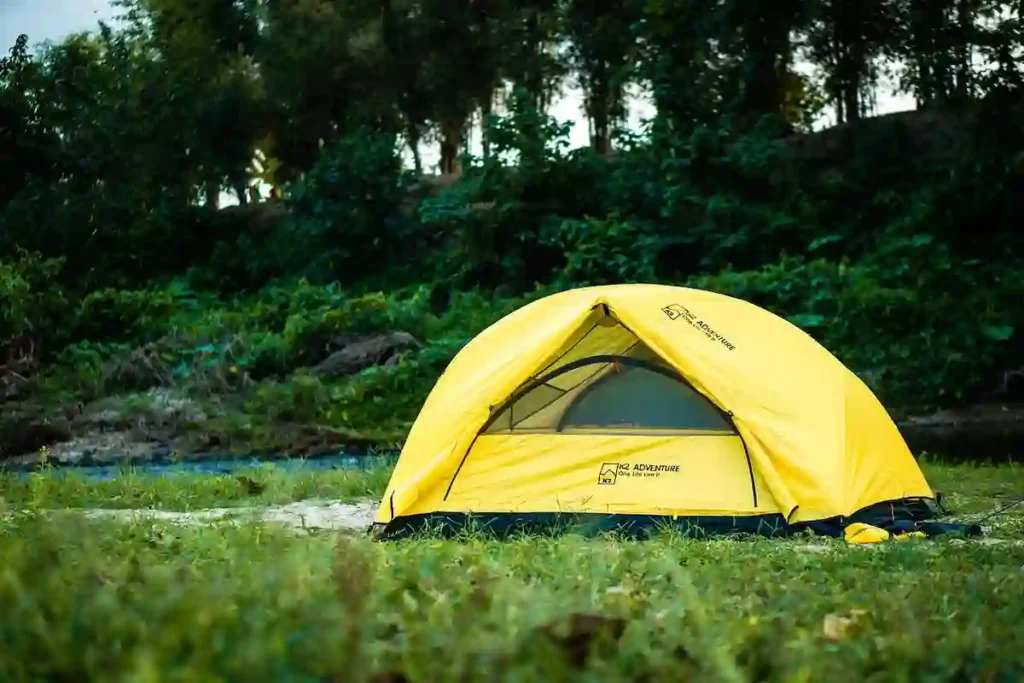
Choosing where to pitch your tent isn’t just about the view; it’s about keeping safe, dry, and out of the wind. In Cape Town and other parts of the Western Cape, strong winds can be a real pain, so look for a nice sheltered spot. Nestle your tent beside a hill or some big rocks, and avoid open spaces where the wind can howl. Aim for flat, slightly raised ground so your tent doesn’t become a pond if it rains. Steer clear of spots right under trees with dead branches, one big gust and you could have a surprise guest crashing into your tent. If possible, pick a campsite that’s easy to reach and not too far from your car or the loo. A bit of natural shade and nearby water never hurt either!
First Aid Kit
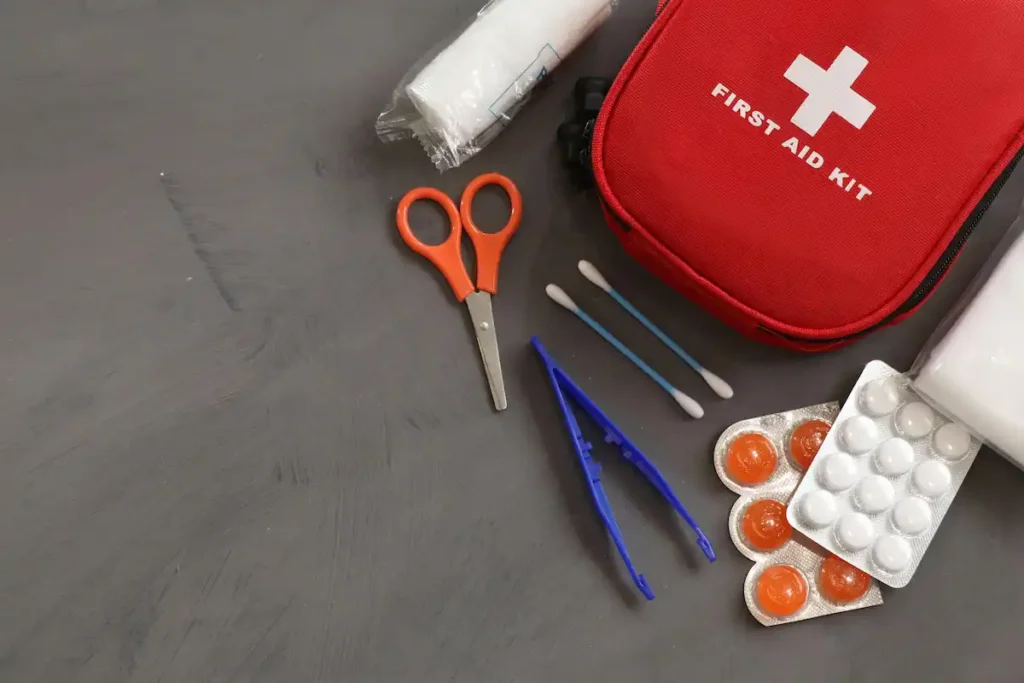
Accidents happen, especially when you’re out in the wild. That’s why a proper first aid kit is a must. Don’t just throw in a couple of plasters and hope for the best. Pack the works: plasters, bandages, antiseptic wipes, painkillers, tweezers, burn cream, the whole shebang. And because it’s winter, make sure you’ve got cold and flu meds too. An emergency blanket is a brilliant addition; it keeps you warm if you’re caught out in the cold. Your first aid kit doesn’t need to be fancy, but it should be ready to handle minor cuts, scrapes, and sniffles. It’s your tiny, portable health centre, giving you peace of mind and keeping minor problems from turning into big ones.
Fire Safety

Campfires are cosy, fun, and let’s be honest, great for toasting marshmallows. But they can also be dangerous if you’re not careful. Before you light anything, check with the campsite or local fire authorities to make sure fires are allowed. If they give you the green light, build your fire in a proper fire pit or a cleared area far away from your tent and anything flammable. Never, ever leave your fire unattended, not even for a quick loo break. When you’re ready to call it a night, make sure your fire is entirely out. Pour water over it, stir the ashes, and do it again until it’s stone cold. Fires are awesome for warmth and atmosphere, but only if you treat them with respect. One careless move can spell disaster.
Use a Map and Compass

Sure, GPS is great, but it’s limited until your phone battery dies or you lose signal. That’s why a good old-fashioned map and compass are still among the top safety tips for camping essentials. They’re simple, reliable, and won’t let you down in bad weather or remote spots. Learn how to use them before your trip, and you’ll feel way more confident out there. A paper map won’t go blank when it gets wet (try not to let it), and a compass doesn’t care about reception. In fog, rain, or even heavy forest, these tools help you stay on track and find your way back to camp without the stress. Getting lost is no fun, especially when it’s cold and getting dark. So pack a map and compass, they’re the ultimate backup plan.
Prevent Hypothermia

Hypothermia might sound dramatic, but it’s no joke, and it can sneak up on you faster than you think. The key to avoiding it? Stay dry, stay warm, and stay fed. Wet clothes are your worst enemy, so if you get rained on or sweat too much, change into dry gear pronto. Dress in layers, and ensure your sleeping setup is comfortable and cosy. Eating enough and drinking plenty of water helps your body generate heat, so don’t skip meals or forget to hydrate. Watch out for signs of hypothermia, such as constant shivering, slurred speech, or confusion. If you or someone with you starts showing those signs, act fast, get them warm, dry, and wrapped in blankets. Hot drinks help too. And if things don’t improve, get medical help. Prevention is far easier than dealing with it once it has set in.
Winter camping in the Western Cape can be an unforgettable adventure, with fresh air, cosy fires, and stunning scenery. But staying safe and warm takes a bit of extra planning. By following these safety tips for camping, you’ll be well prepared to handle the cold, avoid common mishaps, and make the most of your trip. So pack smart, stay alert, and enjoy the magic of the great outdoors, winter style!